A Filipino Christmas in Siargao: Simbang Gabi, Noche Buena and How to Join In
Page summary
The Longest Christmas in the World
Filipinos start playing Christmas music in September. The moment the calendar turns to the first of the ber months, the parols go up and the carols start, and they do not stop for four months. It is the longest Christmas season anywhere, and if you arrive in Siargao in December you are walking into the deep end of it.
Most travel guides skip past this or reduce it to a line about festive atmosphere. That is a shame, because the Filipino Christmas is the most interesting thing happening on the island in December, and almost all of it is open to visitors who show up respectfully.
Here is what is actually going on around you, what you can join, and how not to get it wrong.
Simbang Gabi: Nine Dawn Masses
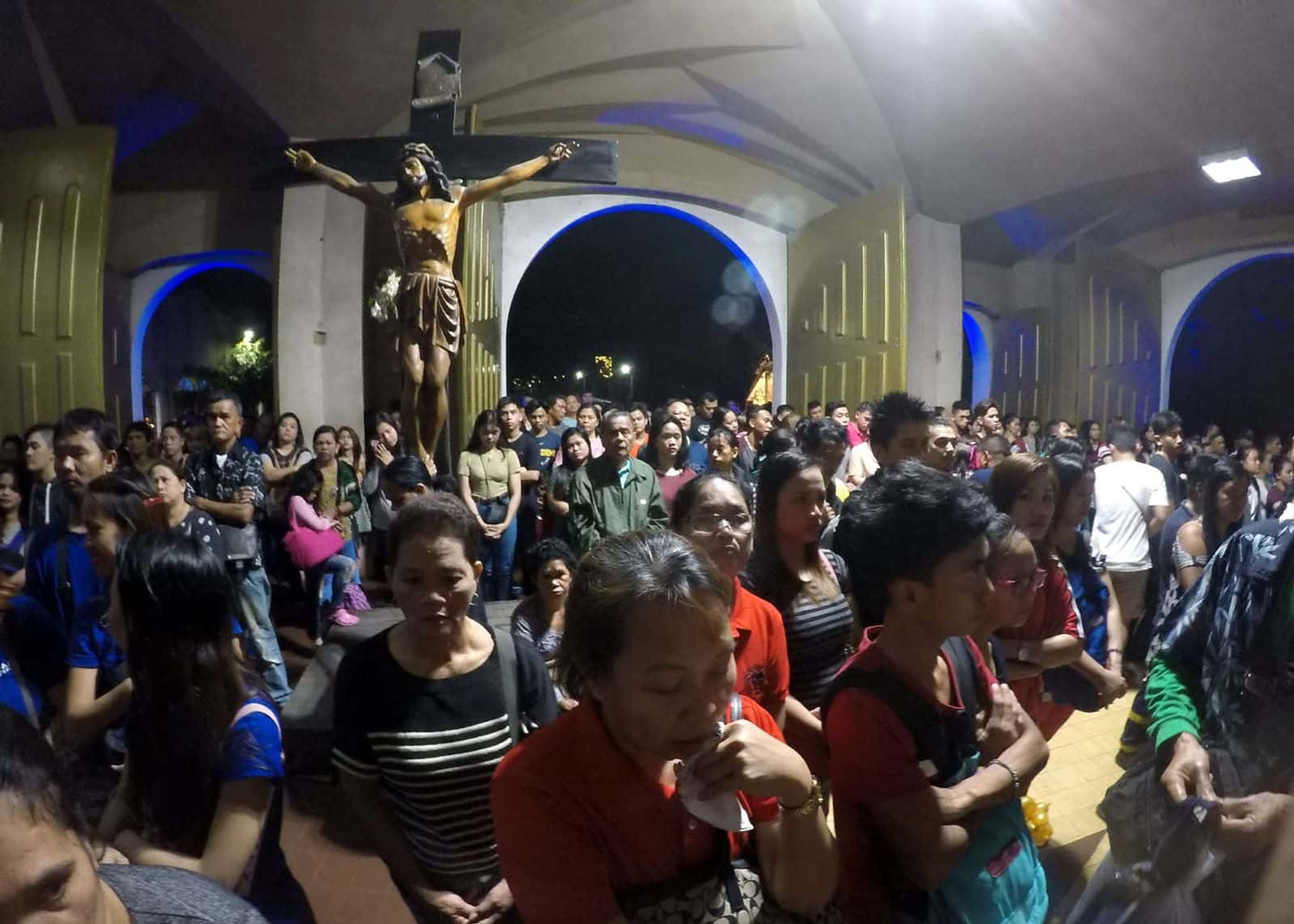
From 16 to 24 December, churches across the Philippines hold a mass before sunrise on nine consecutive days. It is called Simbang Gabi, or Misa de Gallo, and it starts somewhere between 3am and 5am depending on the parish.
The tradition is that anyone who completes all nine has a wish granted. Plenty of people take that seriously and plenty treat it as a reason to see friends at four in the morning. Both are true at once.
Can visitors go?
Yes. Catholic mass is open to anyone and nobody will mind you being there. You do not need to be Catholic or take communion. Sit at the back, stand and sit when everyone else does, and stay for the whole thing rather than leaving halfway.
What to wear and know
Cover your shoulders and knees. No beachwear, and put a shirt on. It is genuinely cool at 4am by Siargao standards, so bring a layer. Services are usually in a mix of Cebuano and English and run about an hour. Keep your phone away.
Where
The parish churches in General Luna, Dapa and the barangay chapels all hold them. Ask where you are staying which one is closest and what time it starts, because the hour varies parish to parish and is not published anywhere online.
The Food Outside the Church
This is the part nobody warns you about and the reason a lot of people keep going back. Stalls set up outside the church before dawn and sell rice cakes to people coming out of mass.
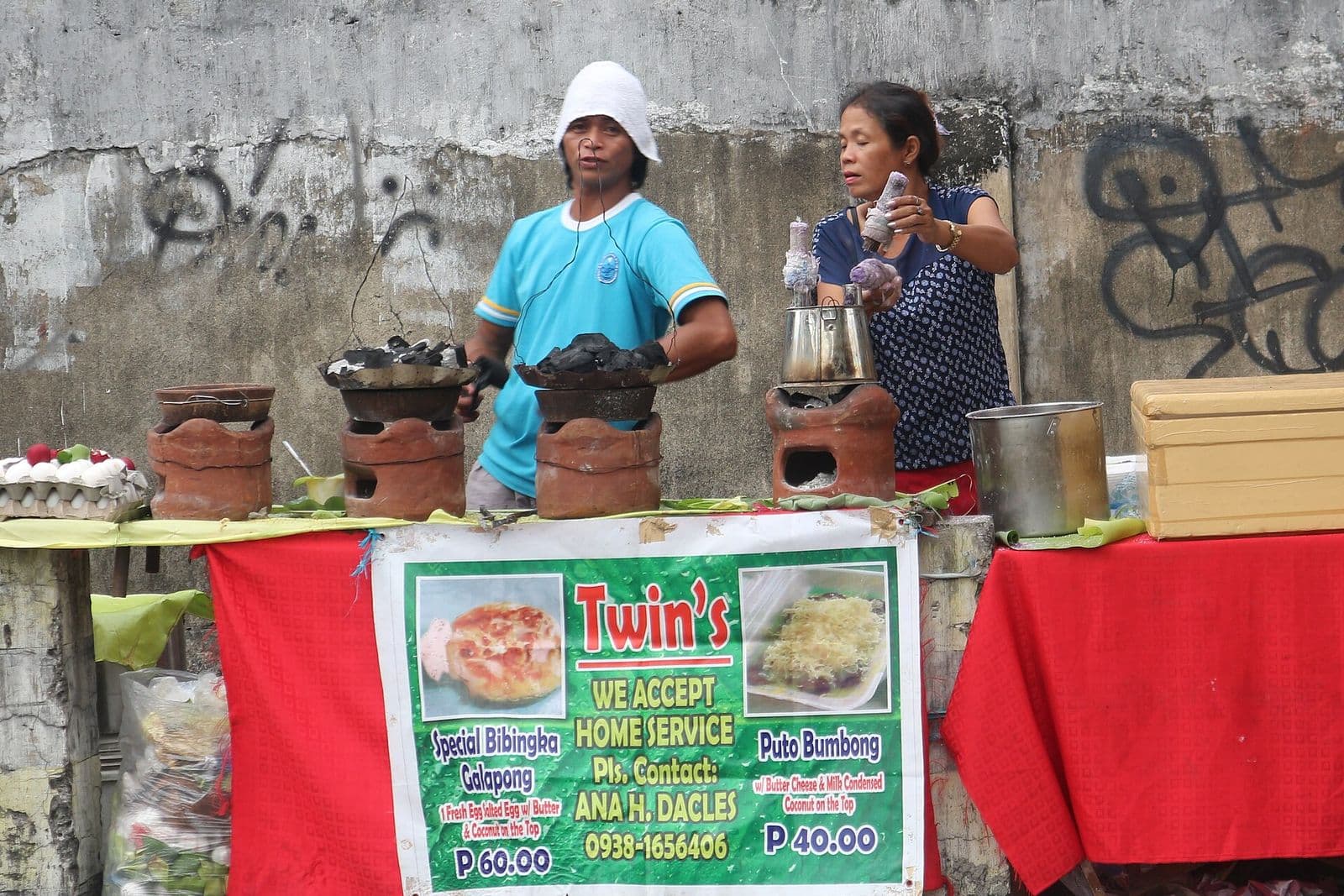
Photo: Elmer B. Domingo, CC BY-SA 4.0 via Wikimedia Commons
Puto bumbong
Purple sticky rice steamed in bamboo tubes, served with butter, brown sugar and grated coconut. The colour comes from a heirloom purple rice variety. You will only find it at Christmas.
Bibingka
A rice cake baked in a clay pot lined with banana leaf, topped with salted egg and cheese, cooked with coals above and below. Eaten hot, in your hands, standing up in the dark.
Why it matters
Both of these are seasonal and neither is really a restaurant dish. Standing outside a church at 5am eating bibingka off banana leaf is closer to the real Filipino Christmas than anything you will be served at a resort buffet, and it costs about fifty pesos.
Noche Buena and Christmas Eve
Christmas Eve is the main event in the Philippines, not Christmas Day. Families go to the late mass on the 24th and come home to Noche Buena, a feast eaten at midnight that runs well into the small hours.
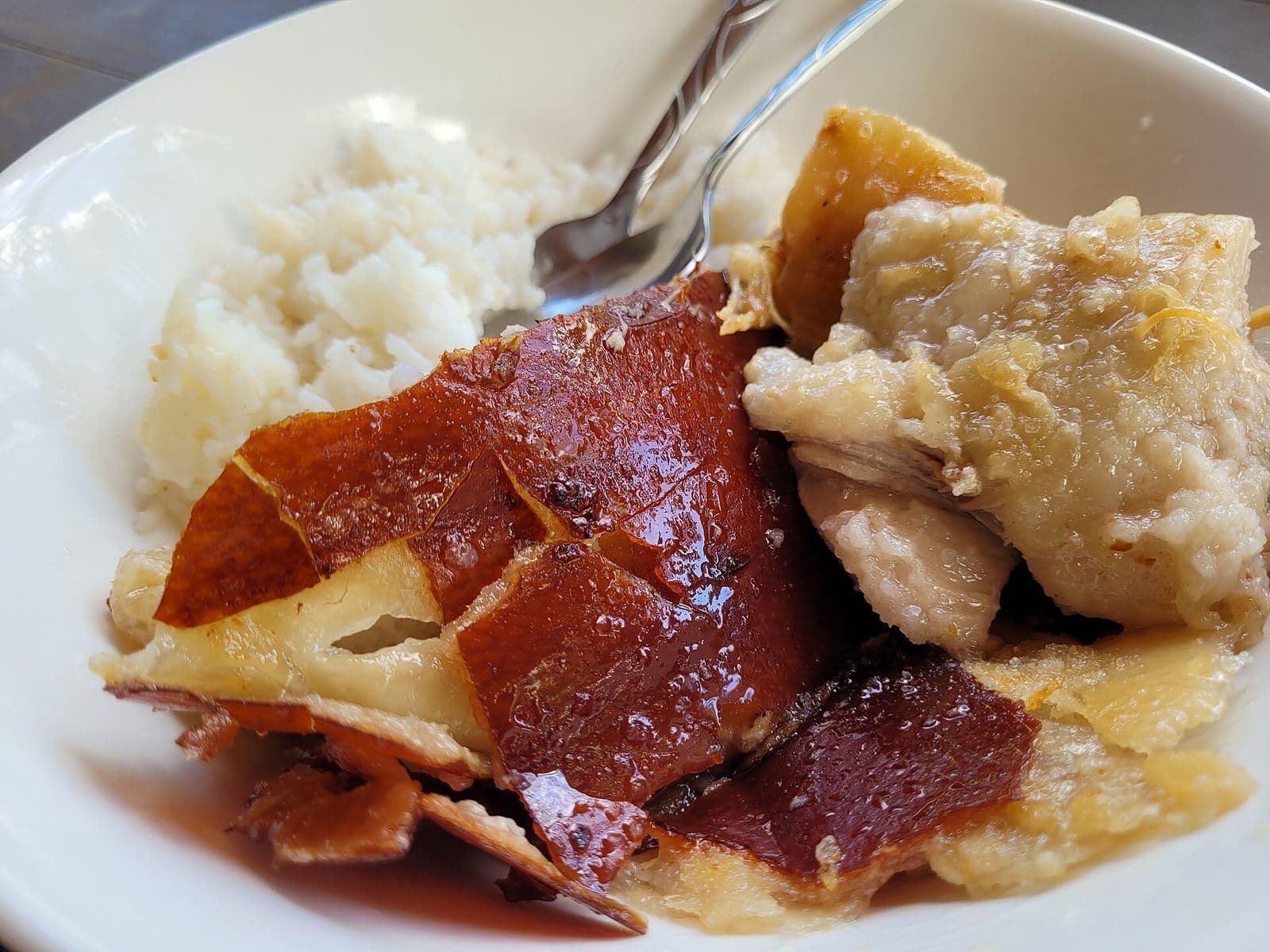
Photo: Obsidian Soul, CC0 via Wikimedia Commons
What is on the table
Lechon, the whole roast pig, if the family can manage it. Christmas ham, queso de bola, which is a ball of edam in red wax, pancit for long life, lumpia, and leche flan or buko salad after. Every dish carries a meaning about abundance, prosperity or long life. Nobody is counting calories.
If you are invited, go
Filipino hospitality at Christmas is not a polite gesture. If your host family, a guide or someone you have got to know invites you to Noche Buena, they mean it, and turning up matters more than what you bring. Take something to share: a cake, beer, or fruit is fine.
If you are not, book a table
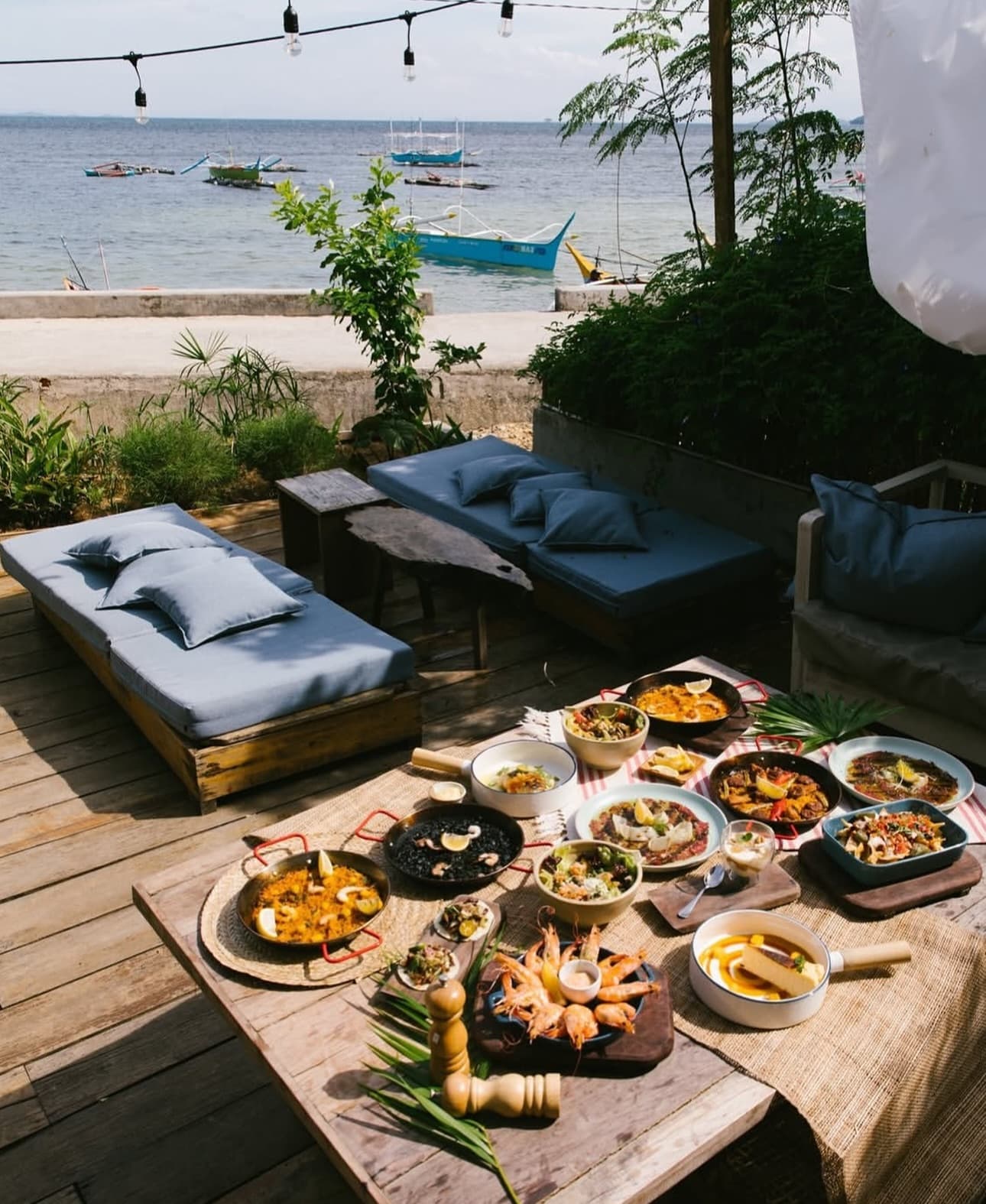
For the 24th, not the 25th. Roots runs a set menu, Lyma does French-Spanish, and Anahao does family-style dinners that suit a group. Expect a quieter 25th with some places closed, because staff are with their families.
Media Noche on the 31st
The same idea again on New Year's Eve, with round fruit on the table for prosperity and a great deal of noise to drive off bad luck. Covered properly in New Year's Eve in Siargao.
Parols, Carollers and Village Fiestas
The parol
The star-shaped lantern you will see on every house and shopfront. It represents the Star of Bethlehem, and traditionally it was carried to light the way to church for the dawn masses, which is why parols and Simbang Gabi belong together. They are made from bamboo and paper, or capiz shell for the elaborate ones.
Carollers at your door
Groups of children, often with improvised instruments made from bottle caps, will sing at gates and doorways through December and expect a few pesos. Keep small change. Turning them away is possible but joyless, and twenty pesos buys a lot of goodwill.
Village fiestas
Every barangay has its own patron saint and its own fiesta, and several fall in December. Expect processions, food, and a basketball tournament that matters more than you would think. If you come across one, you are welcome to watch. Ask before photographing people and accept food if it is offered.
What to expect on the island specifically
Siargao's Christmas is quieter than Manila's and more community-based. Fewer giant displays, more chapels, more family gatherings, more food. The visitor-facing side of it happens in General Luna, but the real thing is happening in the barangays either side.
How to Join In Without Getting It Wrong
Dress for church, not the beach
Shoulders and knees covered, shirt on, shoes rather than flip-flops if you can. This is the single most common way visitors cause offence and the easiest to avoid.
Ask before photographing
Especially inside churches and at family gatherings. A dawn mass is not a photo opportunity. If you want pictures, the stalls outside afterwards are fair game and far more interesting anyway.
Learn two words
Maligayang Pasko is Merry Christmas in Tagalog. In Siargao you will more often hear the Cebuano, Malipayong Pasko. Using it will get you a genuine smile every time.
Give to the carollers, not to the kids on the strip
Carolling is a tradition with a reason. Handing money to children begging on Tourism Road is a different thing and it keeps them out of school. If you want to give, give to the carollers or to a local organisation.
Be patient with the schedule
Things run late, close unexpectedly and get moved. Staff take time off to be with family and that is the entire point of the season. Build slack into the trip and let it go.
Filipino Christmas FAQ
What is Simbang Gabi?
Nine consecutive dawn masses held from 16 to 24 December, starting between 3am and 5am depending on the parish. Tradition says completing all nine grants a wish. It is the heart of a Filipino Christmas.
Can tourists attend Simbang Gabi?
Yes. Mass is open to anyone and you do not need to be Catholic. Dress modestly, sit at the back, stay for the whole service and leave your phone alone.
What are puto bumbong and bibingka?
Seasonal rice cakes sold outside churches after the dawn masses. Puto bumbong is purple sticky rice steamed in bamboo with butter, sugar and coconut. Bibingka is baked in a clay pot with banana leaf and topped with salted egg and cheese.
Is Christmas Eve or Christmas Day bigger in the Philippines?
Christmas Eve, by a distance. Families gather for Noche Buena at midnight after mass on the 24th. Christmas Day is quieter and slower, and some businesses close.
What is a parol?
The star-shaped Christmas lantern seen on houses and shopfronts across the country. It represents the Star of Bethlehem and was traditionally carried to light the way to the dawn masses.
When does Christmas season start in the Philippines?
September. The ber months, September through December, are treated as the Christmas run-up, and decorations and carols appear from the first of September.
What should I say?
Maligayang Pasko in Tagalog, or Malipayong Pasko in Cebuano, which is what you will hear in Siargao.
Where Next
For the practical side of a holiday trip, read Siargao at Christmas and New Year, which covers costs, booking windows and where to eat on the 24th. New Year's Eve in Siargao covers the 31st.
For the weather and surf that month, see Siargao in December. For the food scene generally, the restaurant guide and our foodie's guide cover the rest of the year.
Browse places to stay and all Siargao travel guides.