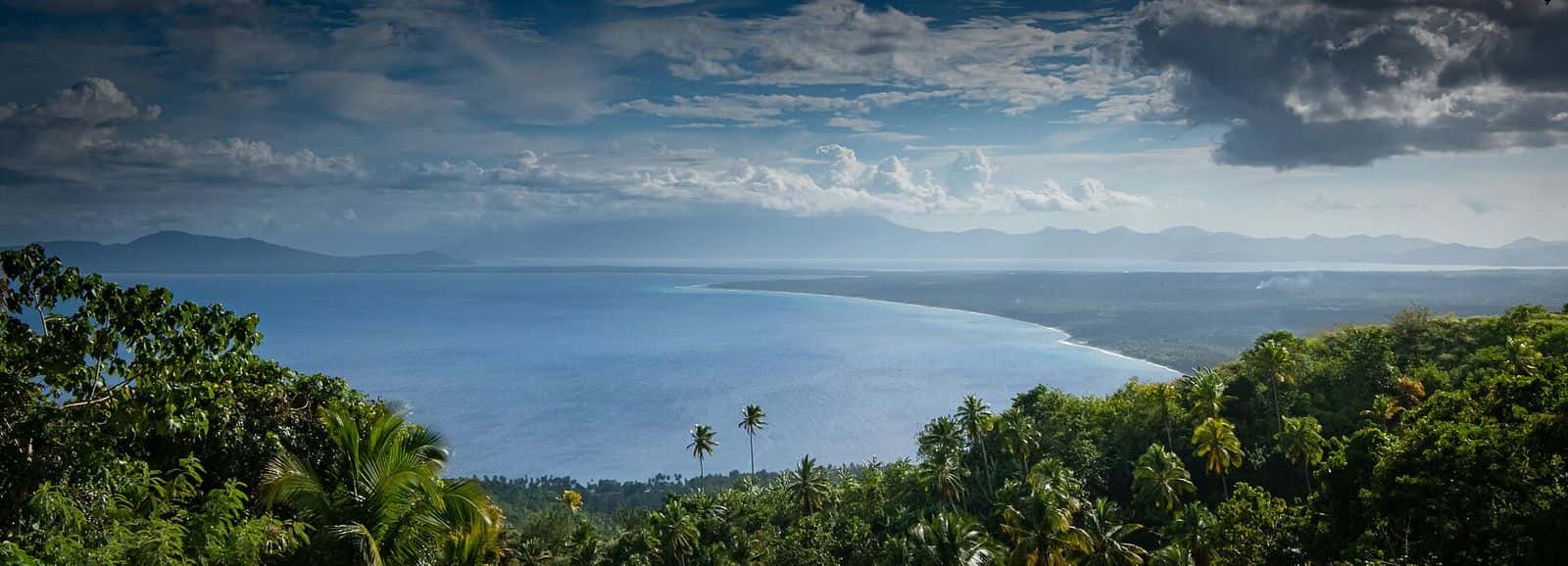
Mount Hamiguitan
Page summary
Mount Hamiguitan at a Glance
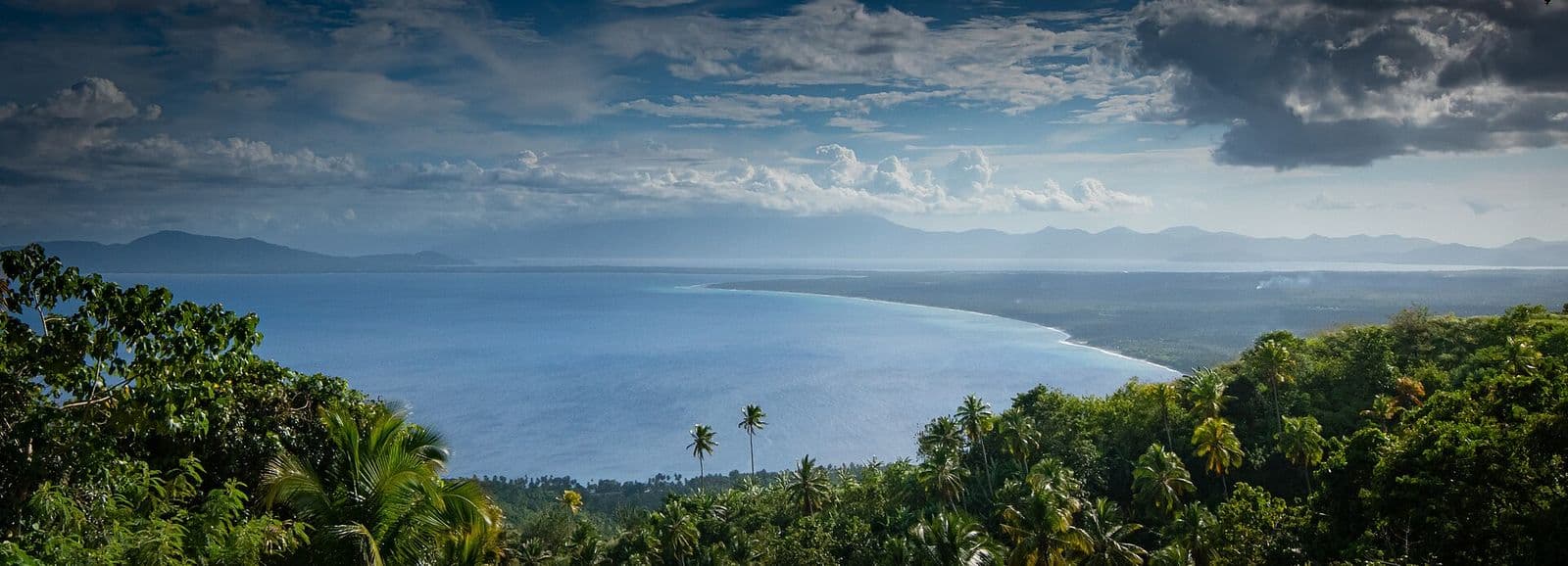
Mount Hamiguitan is the big one in Davao Oriental. The range tops out at about 1,620 metres and spreads across Mati, San Isidro and Governor Generoso. In 2014 the Mount Hamiguitan Range Wildlife Sanctuary became Mindanao's first UNESCO World Heritage Site, listed for its range of habitats and for plants and animals found nowhere else.
Prices, fees and schedules in this guide were checked in October 2026. They change often, so use them as a guide and confirm with the operator or venue before you go.
The reason people make the effort is the pygmy forest near the summit. Trees that are decades or even centuries old grow only knee to head high here, stunted by thin, mineral-heavy soil. The range is also home to the Philippine eagle and to pitcher plants such as Nepenthes hamiguitanensis, named after the mountain itself.
Who a Hamiguitan Trek Suits
This is a trek for fit hikers who are happy with three days on the trail, nights at campsites and a lot of rules. If you want to see a forest type that exists in very few places, it is worth every muddy step.
It is not for casual day-trippers. There is no quick walk-up visit to the pygmy forest. Every trek is booked in advance, guided and capped in numbers, so if you only have a weekend in Mati, spend it at Dahican and Pujada Bay instead.
Permits and Booking
All treks go through the sanctuary's Protected Area Management Office (PAMO). You need a permit, a guide and a booking: no walk-ins, no unguided treks. Book at least 10 days ahead, either through an accredited climb organiser or by putting together your own group and getting it approved by PAMO.
Documents
Bring a pre-climb medical certificate, a signed waiver, a valid ID and proof that you have paid the trekking fee.
Fees
The 2025 DENR figures are ₱3,000 per person for a three-day trek, plus ₱800 per day for the mandatory guide. Some groups, such as Davao Oriental residents and students, have been offered discounts. Rates can change, so confirm with PAMO when you book.
Group size
Numbers on the trail and at campsites are capped. Ask for the current limit when you book.
Trails
There are two trails, one from San Isidro and one from Governor Generoso. The standard trek takes about three days with nights at campsites. Expect steep, muddy sections and weather that turns quickly near the top.
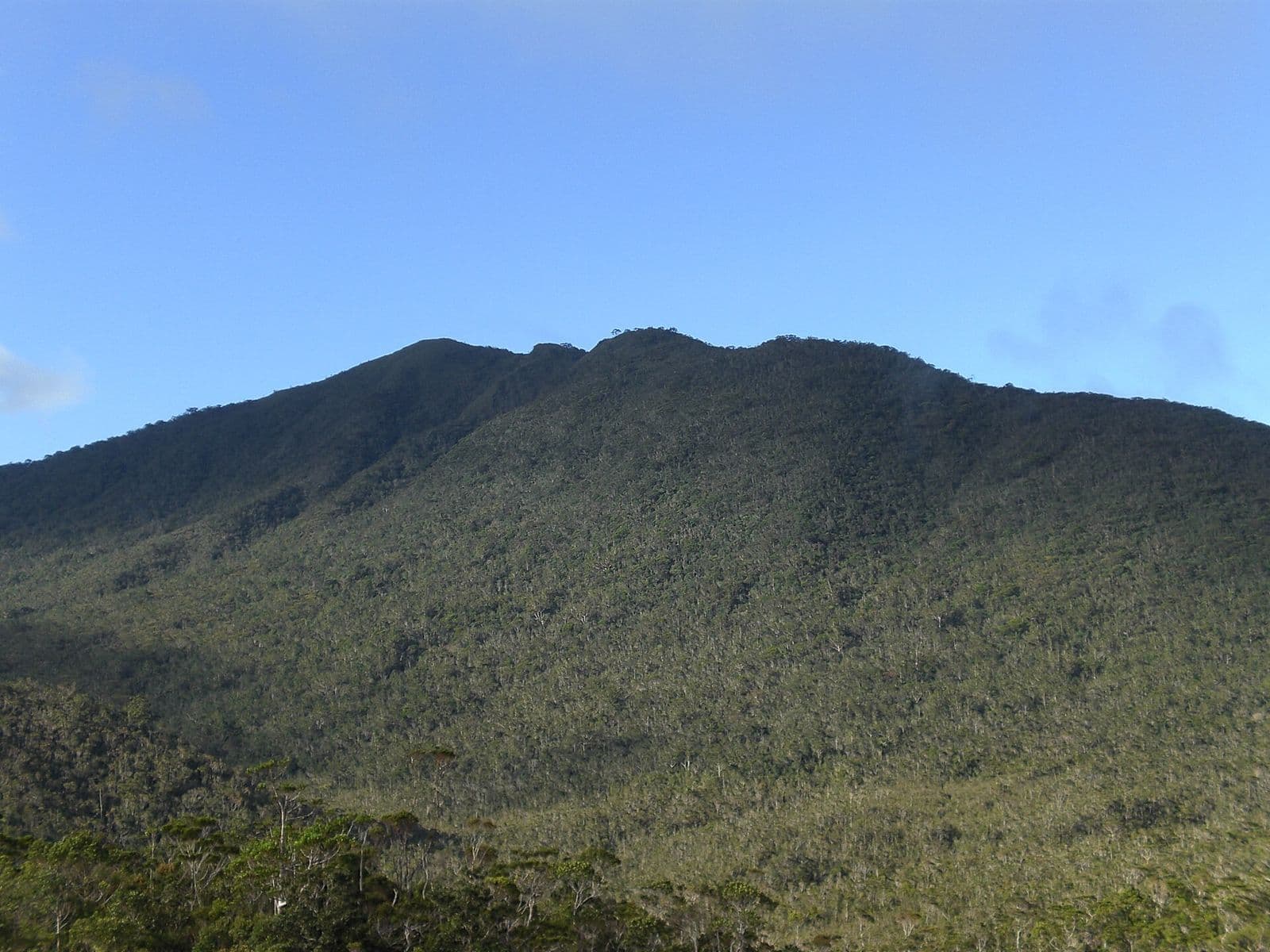
Photo: Kleomarlo, CC BY-SA 3.0 via Wikimedia Commons
Seasonal Closure
PAMO shuts the trails every year so the sanctuary can recover. In 2026 the closure ran from 1 July to 30 September, with all trekking suspended on both trails. We could not confirm a reopening notice, so check the official Mount Hamiguitan Trekking Facebook page for the reopening date and current rules before you plan anything.
Rules on the Mountain
Wet wipes and single-use plastics have been banned inside the protected area since 2026. Bring reusable bottles and containers, and pack out everything you carry in.
Stay on the trail, leave plants and seeds where they are, and keep the noise down around wildlife. The pitcher plants are protected, so look but don't touch.
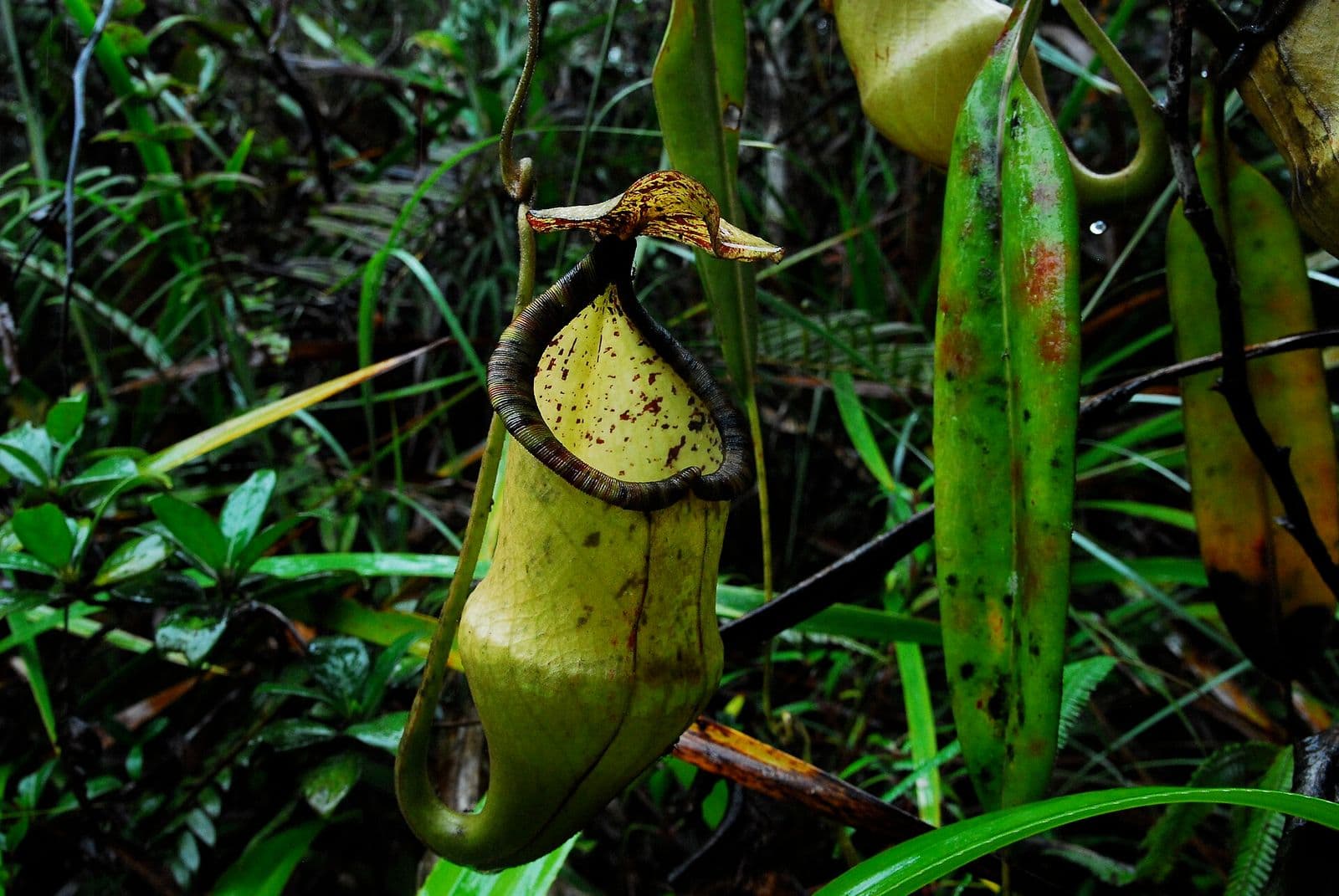
Photo: Thomas Gronemeyer, CC BY-SA 4.0 via Wikimedia Commons
Getting There
Treks start from San Isidro or Governor Generoso, both south of Mati. Mati is the nearest city, about four hours by bus from Davao City, and your climb organiser will usually sort transport to the jump-off. For the bus to Mati, see the Mati travel guide.
Where to Stay Before and After
Best Time to Trek
You can only trek outside the annual closure. Mati gets rain all year, with the heaviest months usually May to July and November, so plan for wet trails whenever you go. February to April is drier and gives you the best shot at clear views from the top.
Mount Hamiguitan FAQ
Can you visit Mount Hamiguitan without a permit?
No. Every trek needs a PAMO permit and a guide. Walk-ins and unguided treks are not allowed.
How much does the Mount Hamiguitan trek cost?
The 2025 DENR figures are ₱3,000 for a three-day trek plus ₱800 per day for a guide. Confirm current rates with PAMO.
When is Mount Hamiguitan closed?
The trails close every year for recovery. In 2026 the closure ran from 1 July to 30 September. Check the Mount Hamiguitan Trekking Facebook page for the reopening date.
What is the pygmy forest?
An area near the summit where very old trees grow only knee to head high because of the poor, mineral-rich soil.
Explore Nearby
Back to the Mati travel guide. Nearby: Dahican Beach and Cape San Agustin.