Mati and Davao Oriental Travel Guide
Page summary
Mati at a Glance
Mati is the capital of Davao Oriental, on the far south-eastern edge of Mindanao and roughly 160 km from Davao City. It is a working provincial city of around 150,000 people, built at the head of Pujada Bay with the Pacific on its doorstep.
Prices, fees and schedules in this guide were checked in October 2026. They change often, so use them as a guide and confirm with the operator or venue before you go.
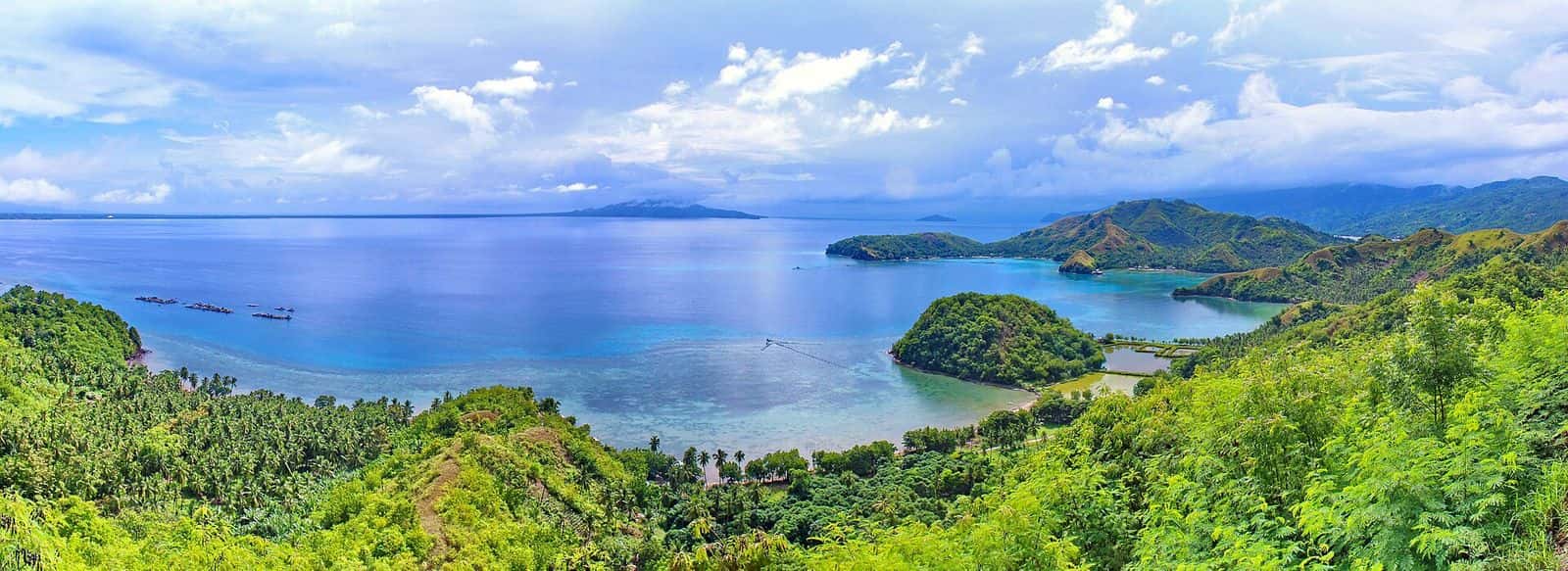
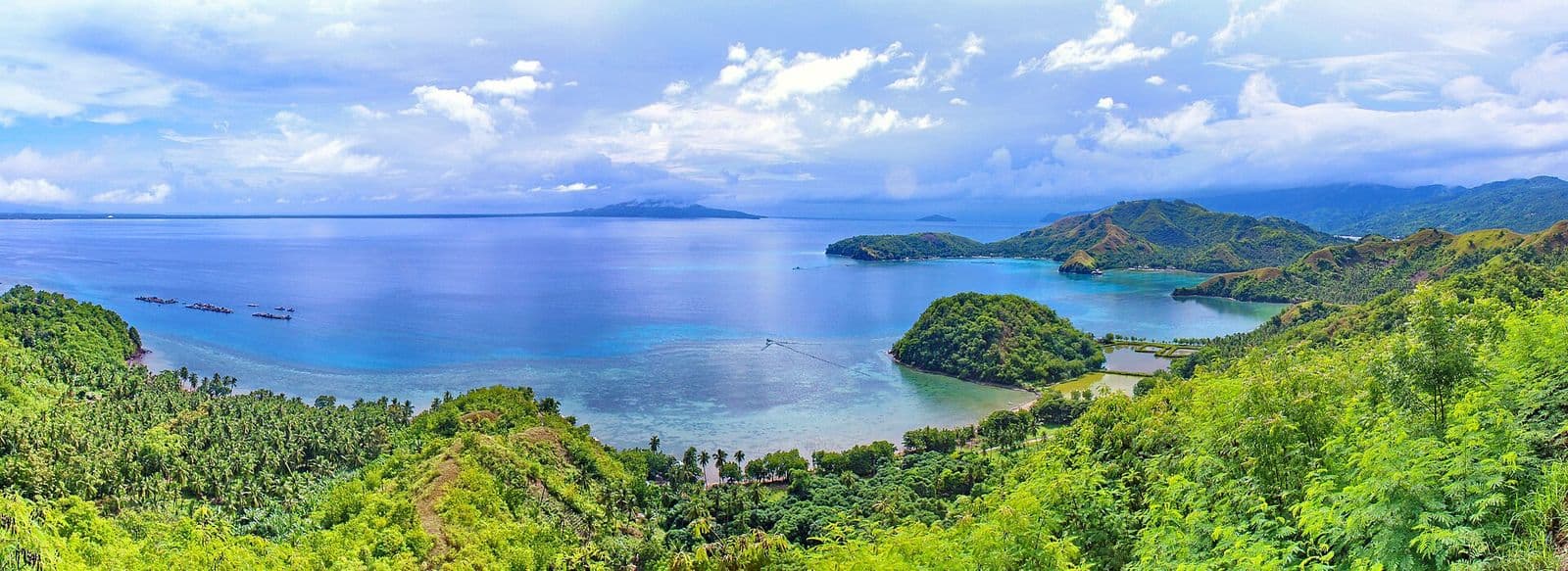
Most people come for the coast. Dahican Beach, 10 to 15 minutes from the centre by tricycle, is a long Pacific-facing stretch known for skimboarding, surf and sea turtles. Pujada Bay has small islands, sandbars and reef, and the Sleeping Dinosaur headland is the view on every Mati postcard. The city calls itself the City of Beautiful Bays, after Pujada, Mayo and Balete bays were listed by the Most Beautiful Bays in the World club.
Further out, Davao Oriental has Mount Hamiguitan, a UNESCO World Heritage Site, plus the tiered Aliwagwag Falls in Cateel and Cape San Agustin at the province's southern tip. They are long drives, and they are the reason to stay longer than a weekend.
Who Mati Suits
Mati is for people who want a beach trip without the crowds of Siargao or Samal. Dahican is the social centre: its resorts, surf camps and beach bars fill up on weekends, and skimboarders and surfers have the waves in season. Families, divers and snorkellers will fill a few days easily.
It takes more effort if you want late-night clubs, a wide choice of international restaurants or a quick hop from Manila. There are no commercial flights into Mati yet, so every trip starts with about 4 hours on the road from Davao City.
How to Get to Mati
From Davao City by bus
Bachelor Express is the bus to take. Aircon buses leave the Davao City Overland Transport Terminal at Ecoland about every 40 minutes from around 2:30am to 6pm, and the run to the Mati bus terminal takes about 4 hours. The fare was ₱392 in June 2026, and fuel surcharges can push it up.
Coming straight off a flight, a taxi or Grab from Davao airport to Ecoland takes 20 to 40 minutes.
By van or private car
Vans and private transfers are quicker, around 2.5 to 3 hours in good traffic. You pay for the whole vehicle, so it makes most sense for groups.
Flying
Fly into Davao City (DVO), which has flights from Manila, Cebu and other cities. Mati has its own small airport but no commercial flights. An expansion was 44% complete at the end of 2025, with turboprop flights targeted for 2027, so don't plan around it yet.
Getting Around Mati
Tricycles, called bao-bao locally, get you around the city and out to Dahican. Habal-habal (motorbike taxis) cover the steeper or more remote roads, and jeepneys and vans run to neighbouring towns.
For your first day, hire a bao-bao and driver. Expect about ₱1,800 for the day with fuel, covering the Sleeping Dinosaur view deck, the baywalk, Subangan Museum, Guang-Guang and Dahican, with entrance fees extra. For Cape San Agustin or Aliwagwag, a hired car or motorbike beats public transport. Agree the price and the stops before you leave.
Where to Stay in Mati
Dahican
Most visitors stay along Dahican Beach, where beach resorts, guesthouses and surf camps face the open sea. It is the best base for skimboarding, surf and turtle season. Island-hopping boats leave from the bay side at Tamisan, not from Dahican, so plan on a tricycle across for that day.
The city centre
Hotels in Mati City put you near the bus terminal, the market, the baywalk and most of the restaurants. Good for a short stay, a work trip or a late arrival from Davao, and Dahican is only 10 to 15 minutes away by tricycle.
Things to Do in Mati
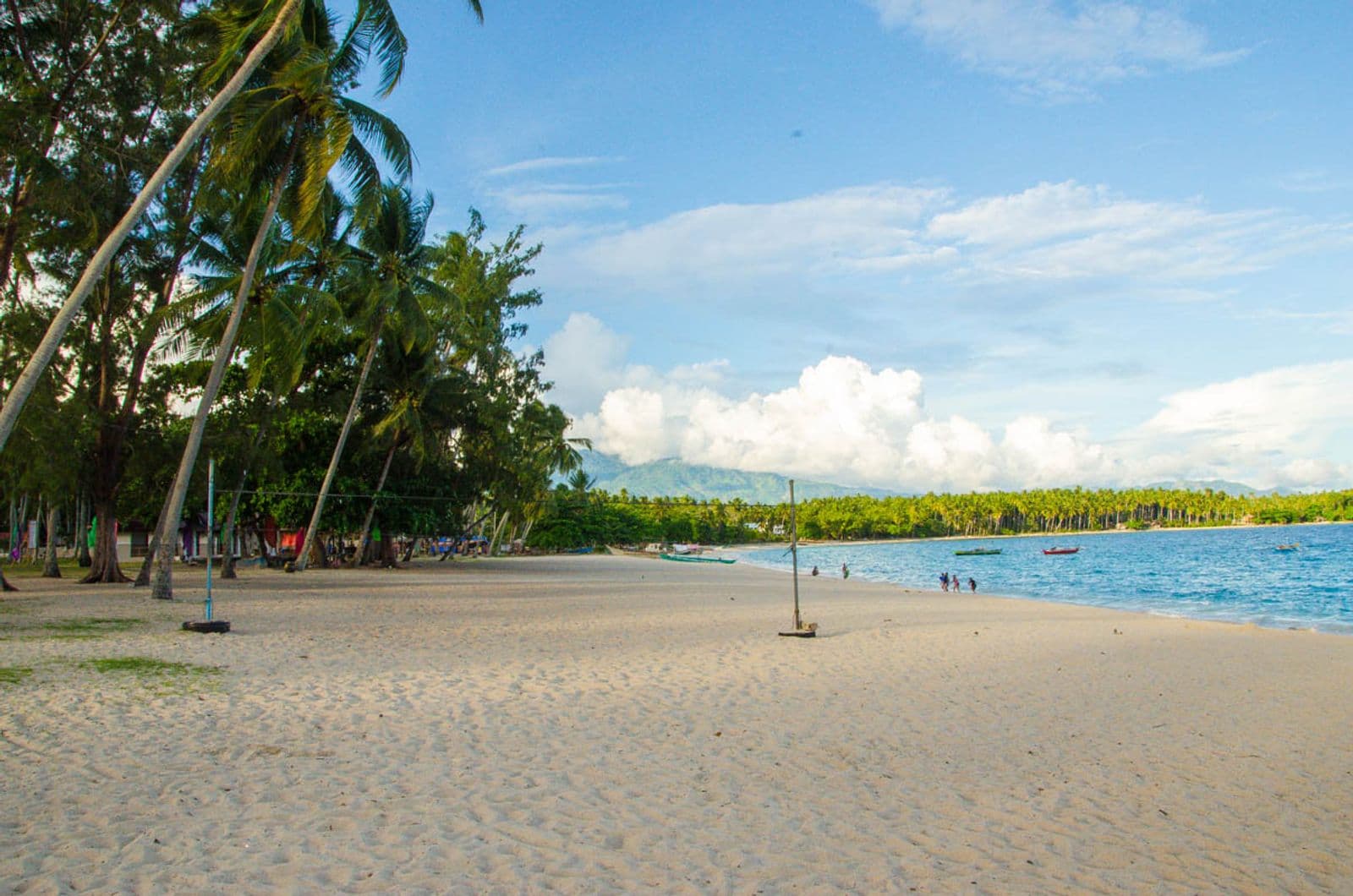
Photo: I Travel Philippines (wayph.com), CC BY 2.0 via Wikimedia Commons
Dahican Beach
Skimboarding, surf in season, sea turtle conservation and a long walk on the sand. See the Dahican Beach guide.
Pujada Bay island hopping
A full day on a hired boat around Pujada Island, the Oak Island sandbar and Waniban. Boats leave from Pier One in Sitio Batiano, Barangay Tamisan, and you book through one of Mati's private boat operators or your resort. See the Pujada Bay guide.
The Sleeping Dinosaur
A headland in Pujada Bay shaped like a dinosaur asleep in the water. The roadside view deck in Badas is a free photo stop, and the ridge trail costs ₱15 with no guide needed. See the Sleeping Dinosaur guide.
Subangan Museum
The provincial museum, built around Davor, the skeleton of a sperm whale that stranded in Governor Generoso in 2010. It also covers Mandaya and Kalagan culture. Details are in the Mati City guide.
Mount Hamiguitan
A UNESCO World Heritage Site known for its pygmy forest and pitcher plants. Treks need a permit from PAMO and a guide, booked at least 10 days ahead with a pre-climb medical certificate. The mountain was closed for the off season from 1 July to 30 September 2026 and we found no reopening notice, so check the Mount Hamiguitan Trekking Facebook page first. See the Mount Hamiguitan guide.
Day Trips from Mati
Aliwagwag Falls
In Cateel, roughly 2 hours 45 minutes north by car. A wide staircase of cascades, said to have 84 steps. Adult entry is ₱100 and there is no mobile signal, so download maps before you go. See the Aliwagwag Falls guide.
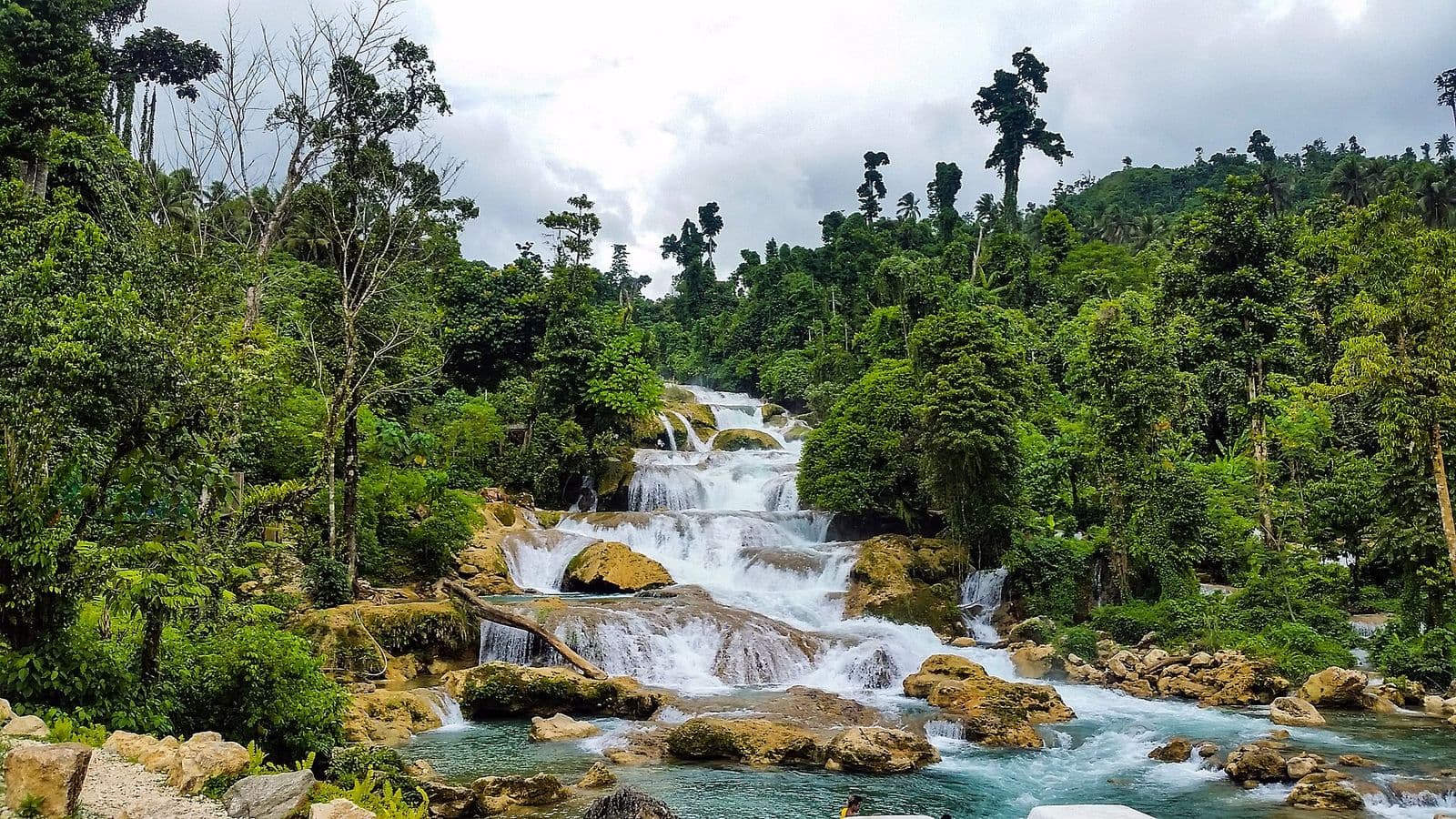
Photo: Andre Lloyd Torres, CC BY-SA 4.0 via Wikimedia Commons
Cape San Agustin
Old lighthouses, a pink-sand beach and rock formations at the province's southern tip, in Barangay Lavigan, Governor Generoso. From town it is a 45 to 60 minute habal-habal ride. See the Cape San Agustin guide.
Food in Mati
Mati is a fishing and coconut town, so expect fresh tuna, grilled fish and plenty of dishes cooked in coconut milk. The city centre has carinderias, bakeries and a public market, and most resorts at Dahican run their own kitchens.
Two names to know. In the city, Kusina Merced is a Filipino restaurant in the Villa Merced compound on the corner of Mabini and Bonifacio streets, a short walk from the baywalk. It is new, so check hours first.
Out at Dahican, Bawud is an open-air restaurant with pastas at around ₱185. Small places open and close often, so check recent reviews before you cross town for a meal.
Best Time to Visit Mati
Mati has no long dry season. Rain is spread through the year, heaviest from May to July and in November, with February to April and September a little drier.
For surf and skimboarding at Dahican, come during the amihan (northeast monsoon), roughly October or November to March, when the waves are biggest. For calm water on Pujada Bay, March to early May is the best window.
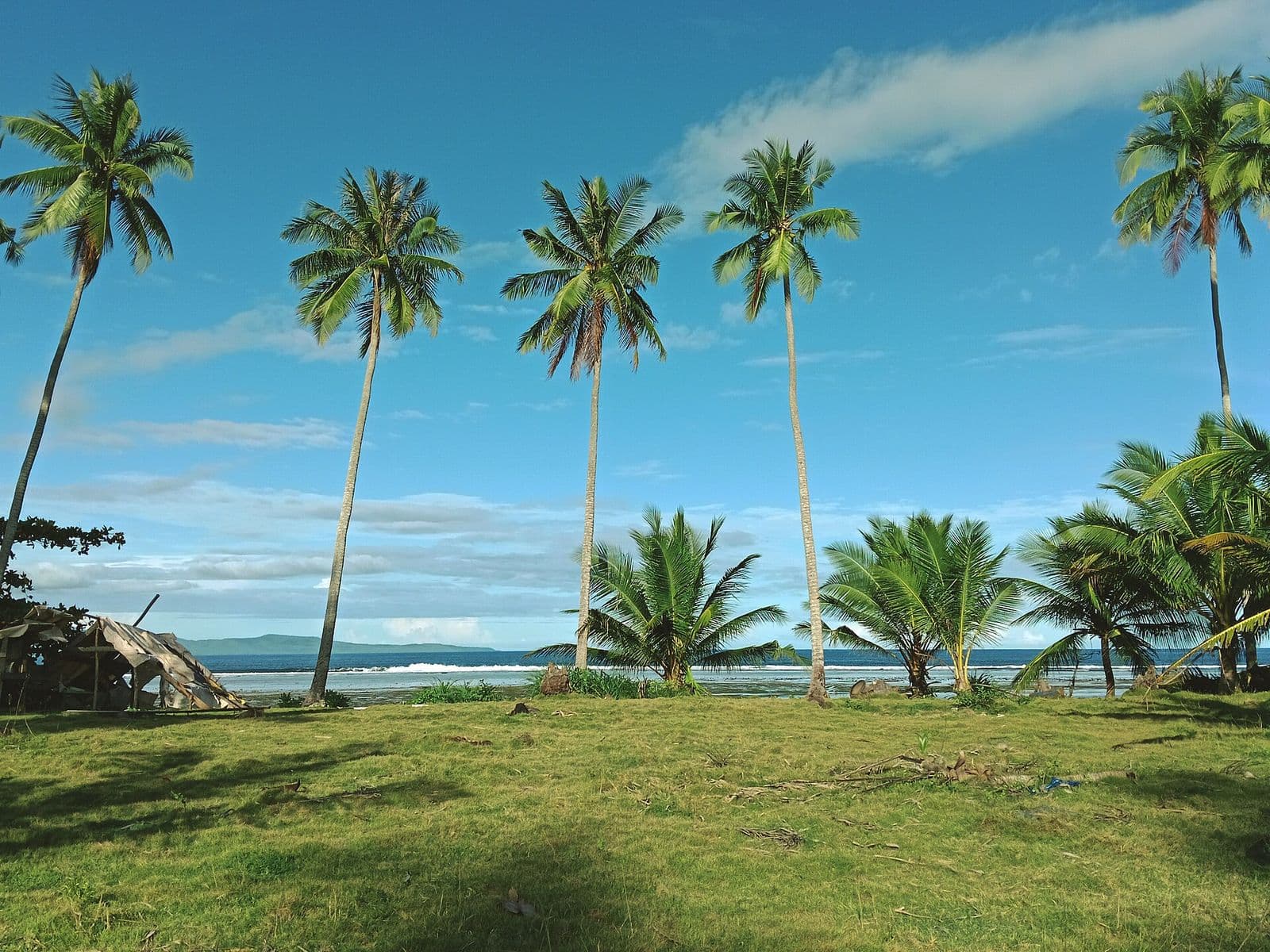
Photo: Amenah555, CC BY-SA 4.0 via Wikimedia Commons
Festivals
The Pujada Bay Festival runs in mid-June, around Mati's cityhood anniversary. The Sambuokan Festival marks the city's founding anniversary on 29 October with street dancing and events at the baywalk.
The 2025 Sambuokan was cancelled after the earthquakes, so 2026 is the first full edition since 2024, and 29 October 2026 is a special non-working day in Mati. Rooms fill up for both festivals.
Practical Tips
Cash
Banks and ATMs are in the city centre, and there are few near Dahican. Resorts, tricycles, boat operators and entrance fees mostly want cash, so draw what you need before you head out.
Protected areas
Pujada Bay, Mount Hamiguitan and the Mati Protected Landscape are all protected areas. Follow your guide's instructions, don't take shells or coral, and leave single-use plastics at home on Hamiguitan, where they are banned.
Earthquake preparedness
Davao Oriental is an active earthquake zone. The M7.4 offshore quakes in October 2025 shut coastal tourism from 11 to 14 October, and things have been back to normal since. It is still worth knowing your accommodation's evacuation route.
Mati FAQ
How far is Mati from Davao City?
Roughly 160 km. Allow about 4 hours on the Bachelor Express bus, or 2.5 to 3 hours by van or private car.
Can you fly to Mati?
Not yet. Mati's airport has no commercial flights, though turboprop services are targeted for 2027. Fly to Davao City and continue by road.
Is Dahican Beach free?
Yes, it is a public beach. Some resorts charge day visitors to use their facilities, such as ₱100 at Dahican Surf Resort.
How many days do you need in Mati?
Two or three days covers Dahican, Pujada Bay and the Sleeping Dinosaur. Add a day each for Aliwagwag Falls or Cape San Agustin, and more for a Mount Hamiguitan trek.
When is the surf season in Mati?
Roughly October or November to March, during the amihan. Waves reach 7 to 8 feet on good days and 4 to 5 feet otherwise.