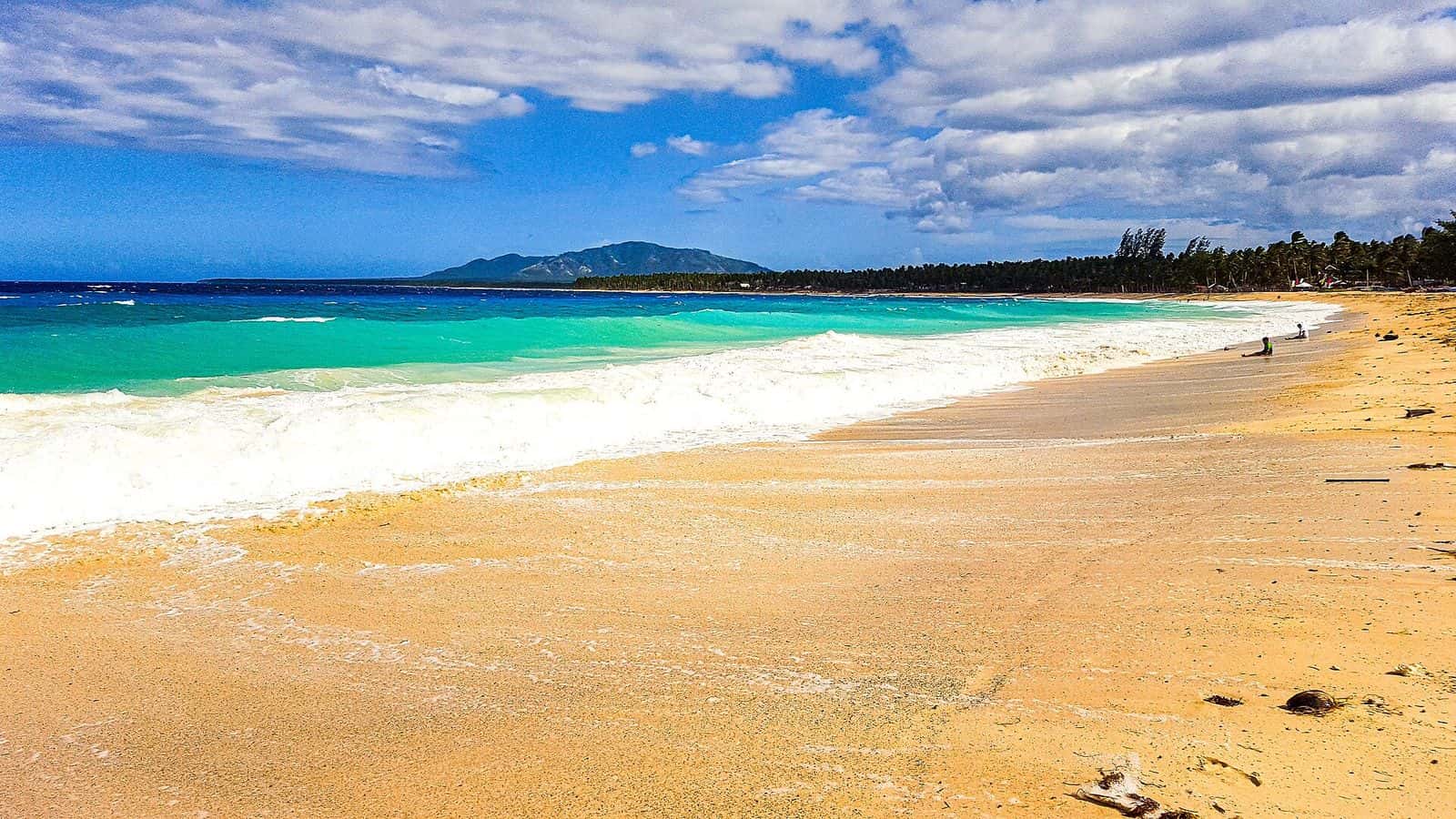
Dahican Beach
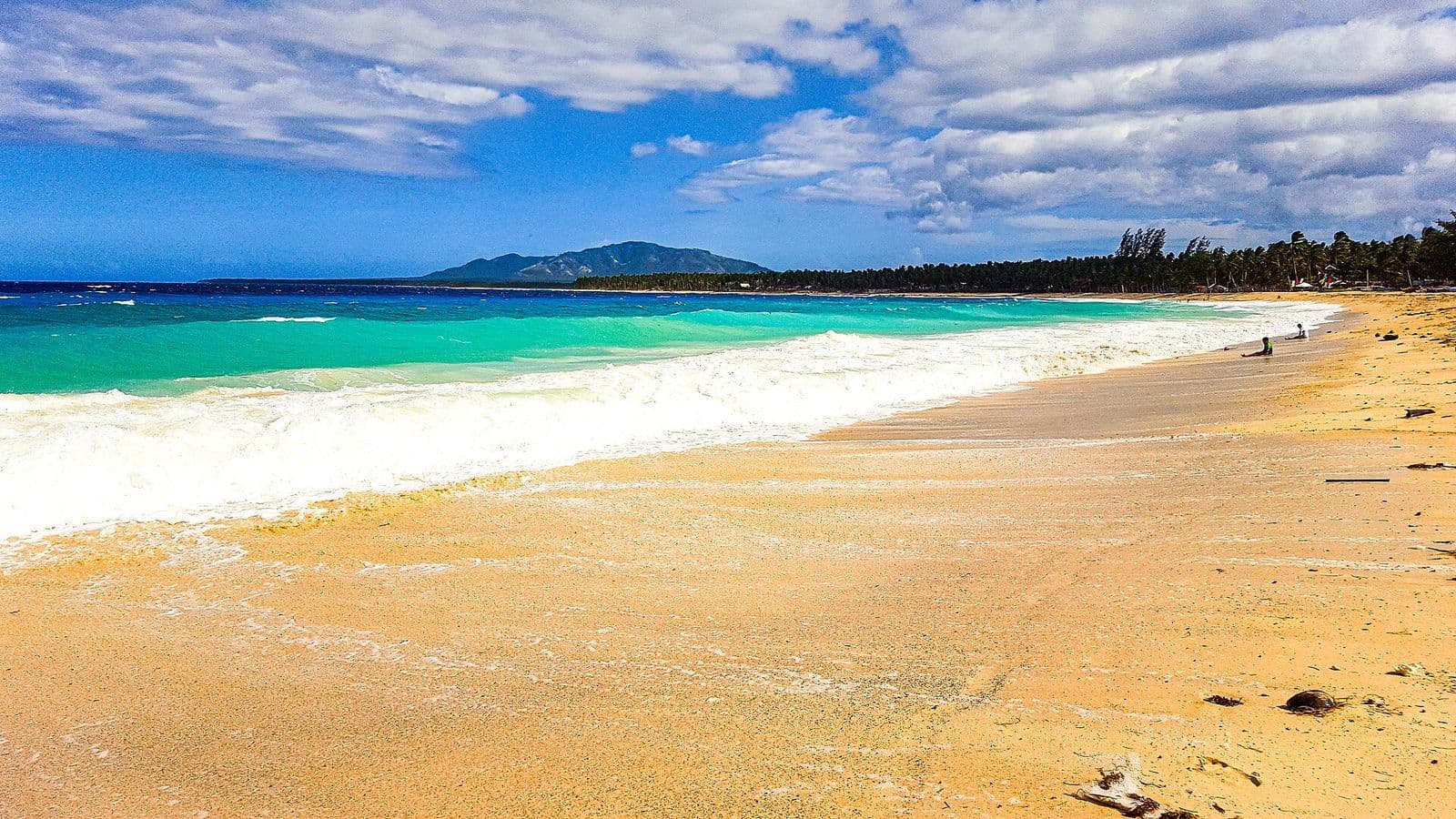
Page summary
Dahican Beach at a Glance
Dahican is a long stretch of pale sand on the Pacific side of the peninsula east of Mati City, in Barangay Dahican. The open sea sends in waves for much of the year, which is how Dahican became the place skimboarding took off in Mindanao. People call it the skimboarding capital of Mindanao, and on a good day you can see why.
Prices, fees and schedules in this guide were checked in October 2026. They change often, so use them as a guide and confirm with the operator or venue before you go.
It is also a sea turtle nesting beach. Locals say the name comes from "dahik", the word for a turtle crawling out of the sea to nest. Most of Mati's beach resorts, surf camps and guesthouses line the shore here.
Who Dahican Suits
Dahican is where Mati goes on weekends. The resorts, surf camps and beach bars fill up with families and groups from the city and Davao, beginners take their first lessons in the whitewater, and plenty of people stay on for sunset and drinks. Come midweek and you'll have long stretches of sand to yourself.
It is the wrong beach for calm, glassy water. On many days the open-sea waves are too strong for floating or snorkelling, and Pujada Bay on the other side of the peninsula is far calmer.
How to Get to Dahican
Dahican is 10 to 15 minutes from Mati City centre by tricycle. Most resorts can pick you up from the bus terminal if you are coming in from Davao City, about 4 hours away by bus. For the full route, see the Mati travel guide.
Entrance Fee
The beach is public and free. Some resorts charge day visitors to use their cottages, tables, showers or parking; at Dahican Surf Resort it is ₱100.
Skimboarding and Surf
Skimboarding is what Dahican is known for. Local riders work the shorebreak and the long, flat sand. According to the president of Amihan sa Dahican, waves reach 7 to 8 feet on good days and sit around 4 to 5 feet the rest of the time.
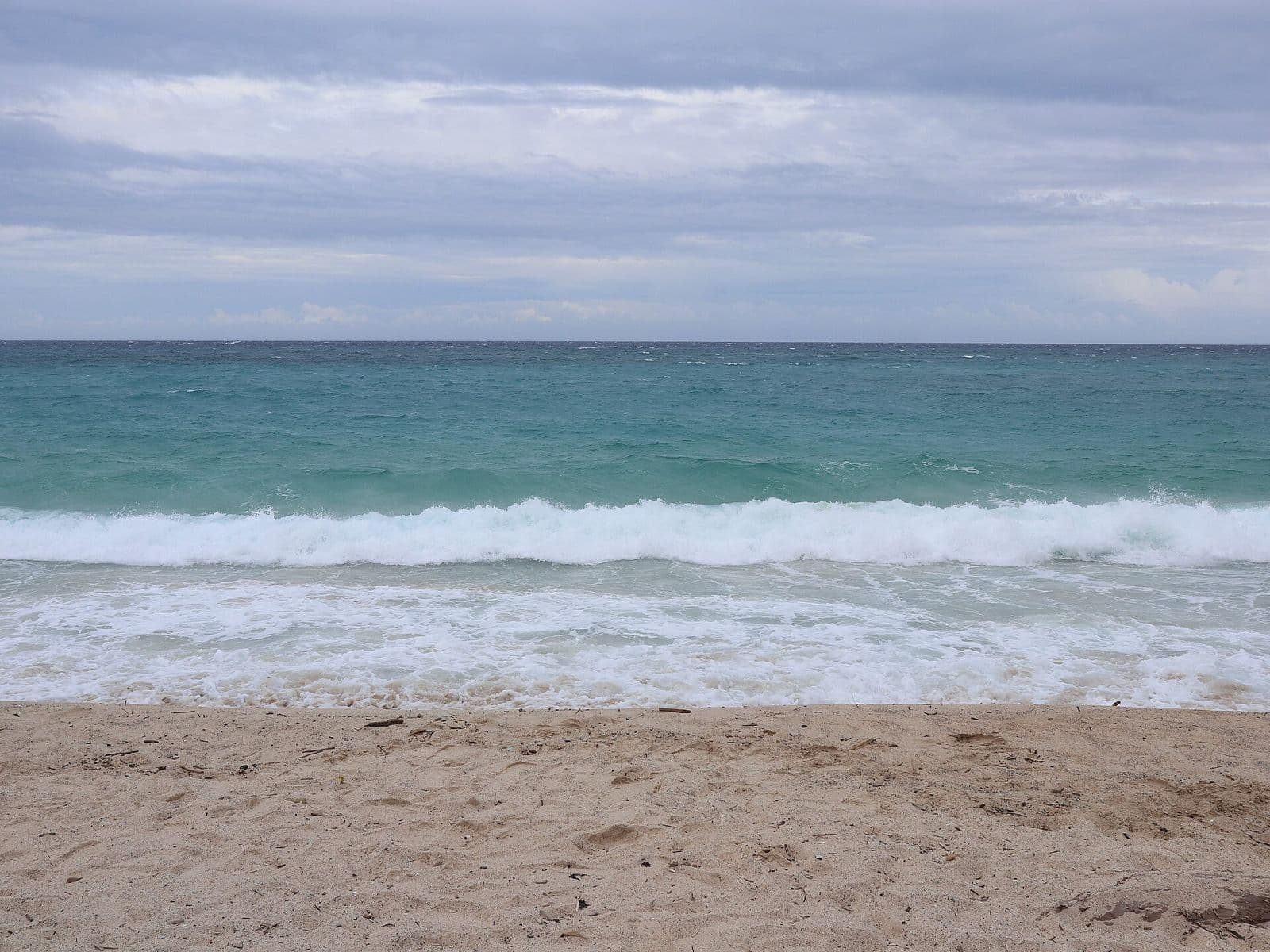
Photo: Patrickroque01, CC BY-SA 4.0 via Wikimedia Commons
Surf season
The bigger, more consistent surf comes with the amihan, the northeast monsoon, from around October or November to March. It varies year to year, so ask locally before you build a surf trip around it.
Lessons and board rental
Surf camps and local instructors along the beach rent boards and teach skimboarding and surfing. A surf lesson costs about ₱500 for roughly an hour on a soft-top, and Dahican Surf Resort runs instructor-led lessons. Agree the price and session length before you start.
Sea Turtles at Dahican
Olive ridley turtles nest here from October to May, and green and hawksbill turtles from May to September. The eggs take about 45 to 60 days to hatch.
The local group Amihan sa Dahican was founded in 2004 by the Plaza family and released its first hatchlings in 2008. Volunteers run night patrols from 8pm, and they collected 20,260 eggs between October 2024 and June 2025. Their old hatchery was demolished in May 2024 and a new one has been built.
There is no fixed release schedule, so if you want to see one, contact Amihan sa Dahican directly. Never touch hatchlings, use flash, or shine lights on nesting turtles at night.
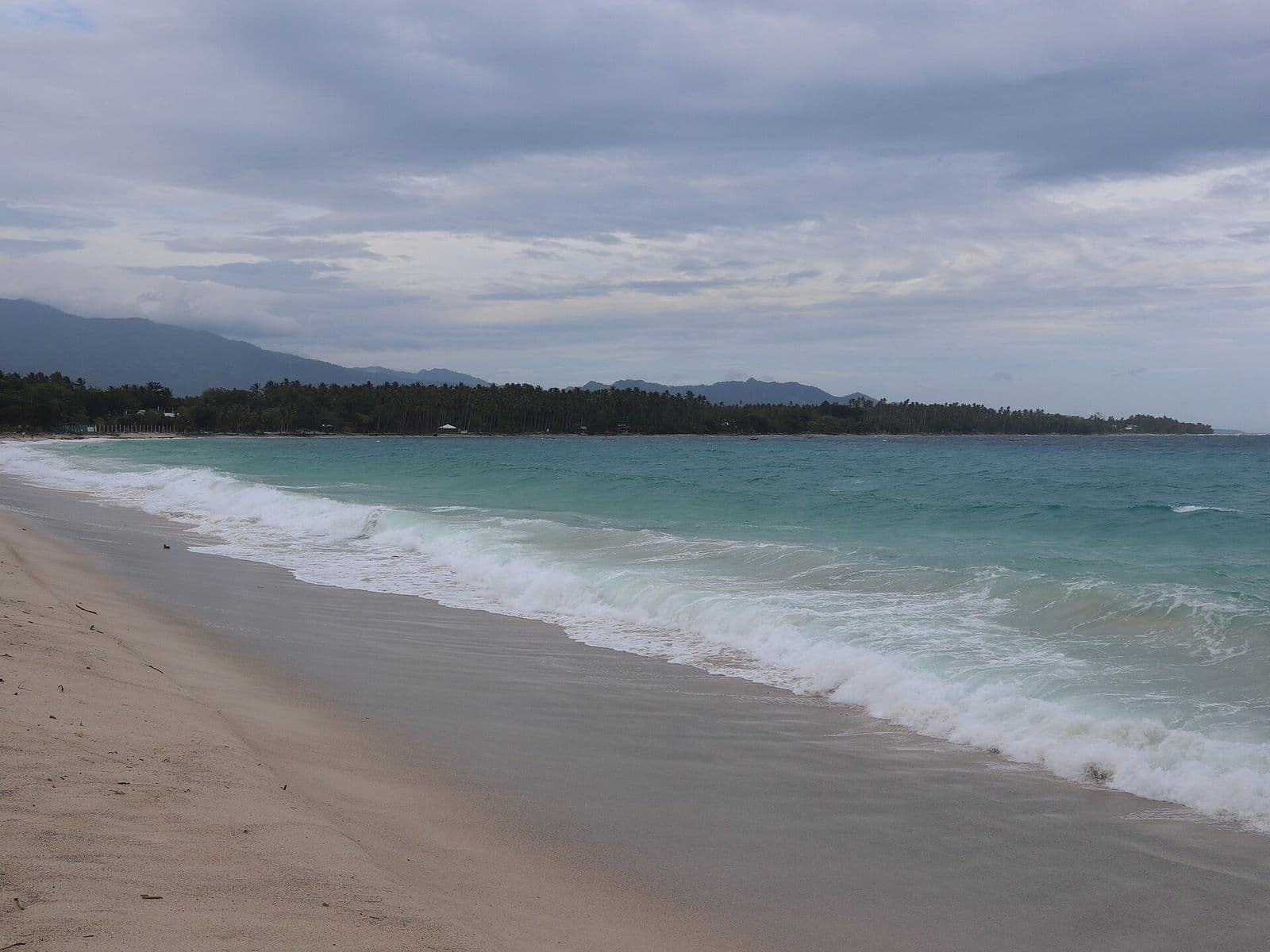
Photo: Patrickroque01, CC BY-SA 4.0 via Wikimedia Commons
Where to Stay at Dahican
Accommodation runs from surf camps and simple cottages to mid-range beach resorts, most of them right on the sand. Dahican Surf Resort is open in 2026, with fan kubo huts at ₱2,500 for 5 people, ₱4,000 for 8, ₱5,000 for 10 and ₱6,000 for 12, or an aircon room for two at ₱2,000. It has a restaurant and bar, shared showers and surf rentals.
Botona and Tropical Kanakbai are long-standing names on the beach; call ahead for current rates. Rooms book up on long weekends, in Holy Week and during Mati's festivals in June and October.
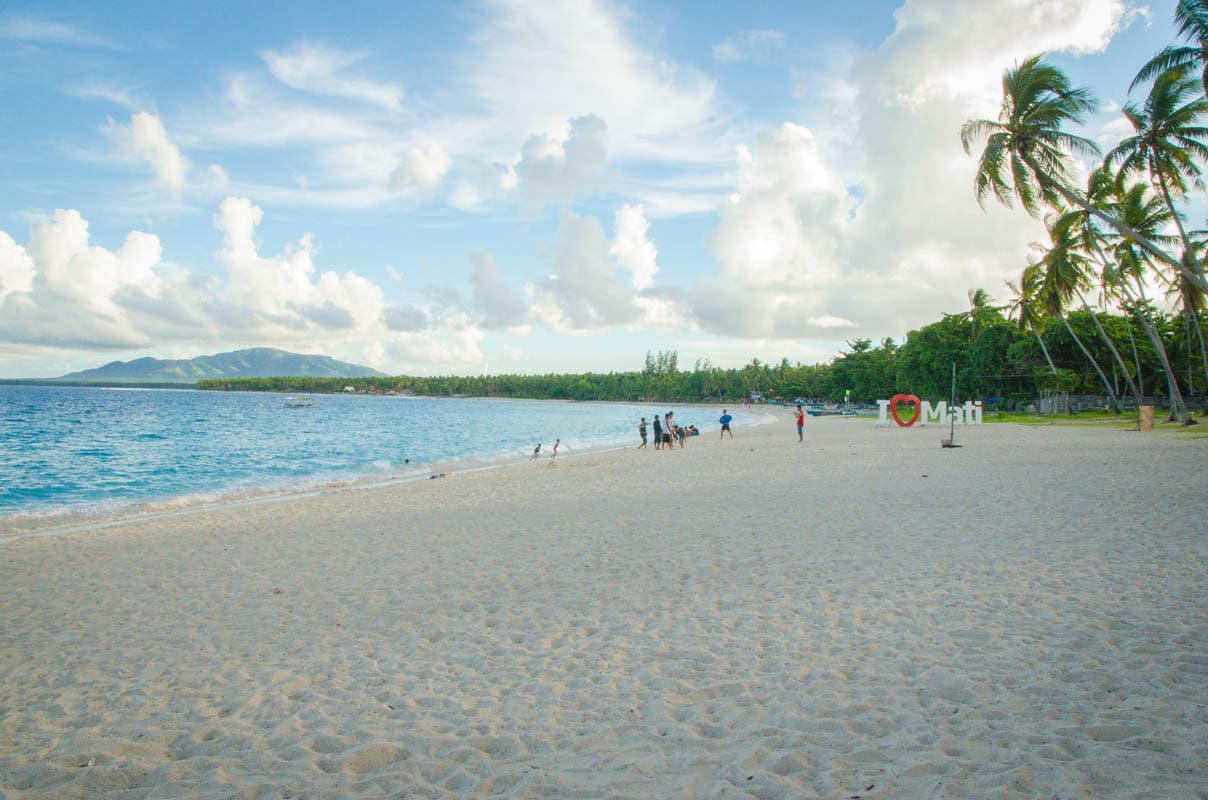
Photo: I Travel Philippines (wayph.com), CC BY 2.0 via Wikimedia Commons
Where to Eat
Most resorts have their own kitchens, and small eateries and stalls sit along the access roads. Bawud is the one to know: an open-air restaurant with pastas at around ₱185 and quesadillas at around ₱190.
For more choice, ride into Mati City, where Kusina Merced near the baywalk does Filipino food. Some smaller places only open at weekends outside the holidays, so check before you go.
Nearby
Pujada Bay island hopping
Island-hopping boats do not leave from Dahican. They go from Pier One in Sitio Batiano, Barangay Tamisan, on the bay side, and you book through one of Mati's private boat operators or your resort. See the Pujada Bay guide.
Guang-Guang mangroves
In Sitio Guang-Guang, within Barangay Dahican, a protected mangrove area with a shaded boardwalk, where locals swim and picnic in the brackish water. Entry is free to about ₱50, and facilities are basic.
The I Love Mati sign
A big red-and-white I Love Mati sign stands on the sand at Dahican. Everyone stops for the photo.
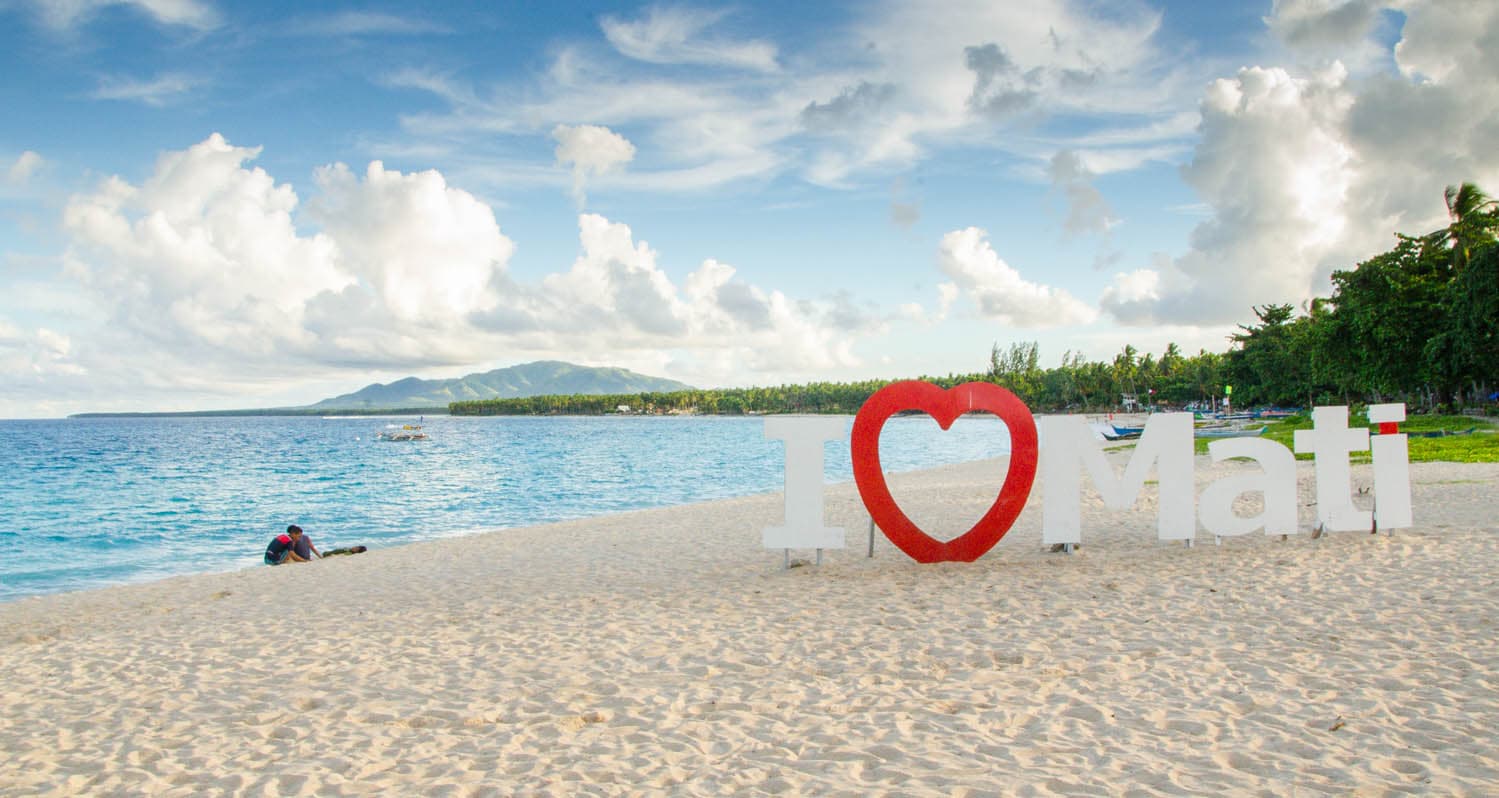
Photo: I Travel Philippines (wayph.com), CC BY 2.0 via Wikimedia Commons
Best Time to Visit
For waves, come from around October or November to March. For calmer swimming, February to April and September tend to be better. It rains in every month, but showers usually pass quickly, and weekdays are much quieter than weekends.
Practical Tips
Swim with care
The open-sea waves and currents can be strong. The City Tourism Office flies beach signal flags for tides, currents and marine life such as jellyfish, so follow the flags and the lifeguards, swim near other people and watch children closely.
Sun
There is little natural shade on parts of the beach. Bring a hat and reef-safe sunscreen, or rent a cottage.
Cash
ATMs are scarce near Dahican. Bring cash from the city for lessons, rentals, cottages and food.
Dahican Beach FAQ
Is Dahican Beach free?
Yes. It is a public beach. Some resorts charge day visitors for their facilities, such as ₱100 at Dahican Surf Resort.
When is the surf season at Dahican?
Usually from around October or November to March, during the amihan.
Can beginners surf or skimboard at Dahican?
Yes. Local instructors and surf camps offer lessons, about ₱500 for roughly an hour of surfing. Start on smaller days and stay close to your instructor.
Can you see turtle hatchlings at Dahican?
Sometimes. There is no fixed release schedule, so contact Amihan sa Dahican directly.
How far is Dahican from Mati City?
10 to 15 minutes by tricycle from the city centre.
Explore Nearby
Back to the Mati travel guide. Nearby: Pujada Bay, Mati City and Mount Hamiguitan.