Mati City
By Koobo Travel Team ·
Page summary
Mati City: The Capital of Davao Oriental
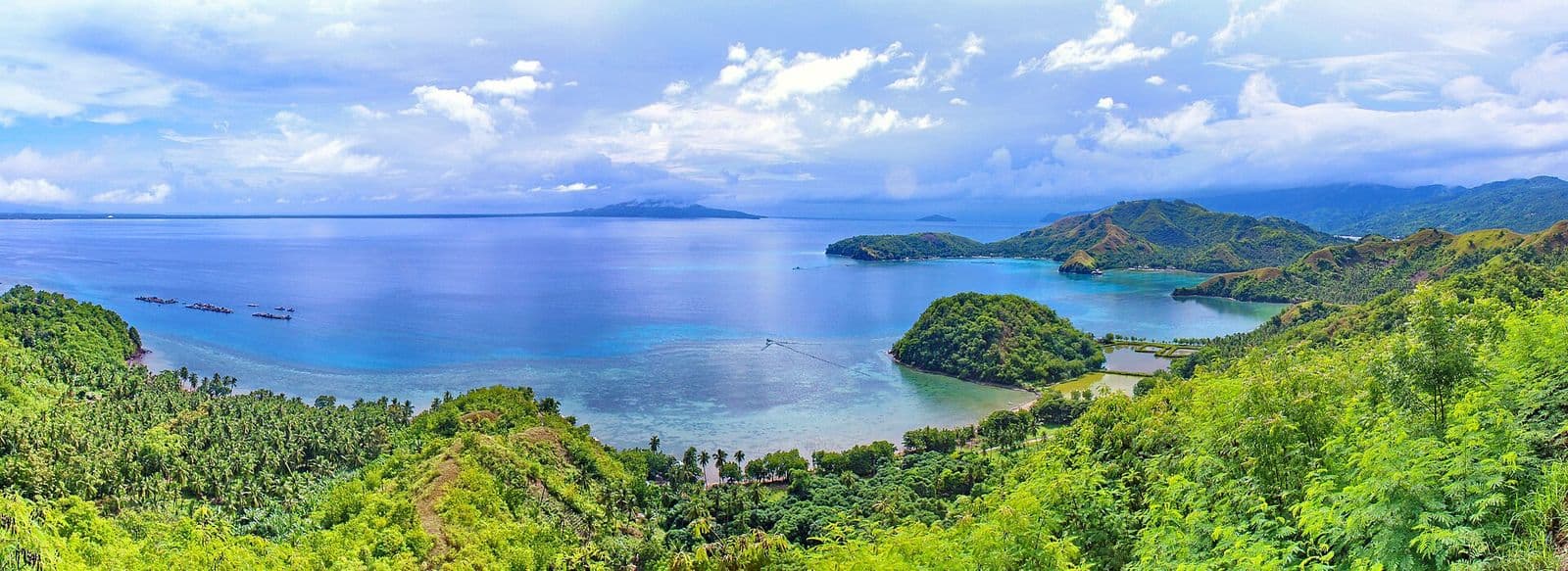
Mati became the capital of Davao Oriental in 1967 and a city in 2007, though a legal fight over its cityhood was only settled in 2011. The centre sits at the head of Pujada Bay, and the market, banks, government offices and bus terminal are all a short tricycle ride apart.
Prices, fees and schedules in this guide were checked in October 2026. They change often, so use them as a guide and confirm with the operator or venue before you go.
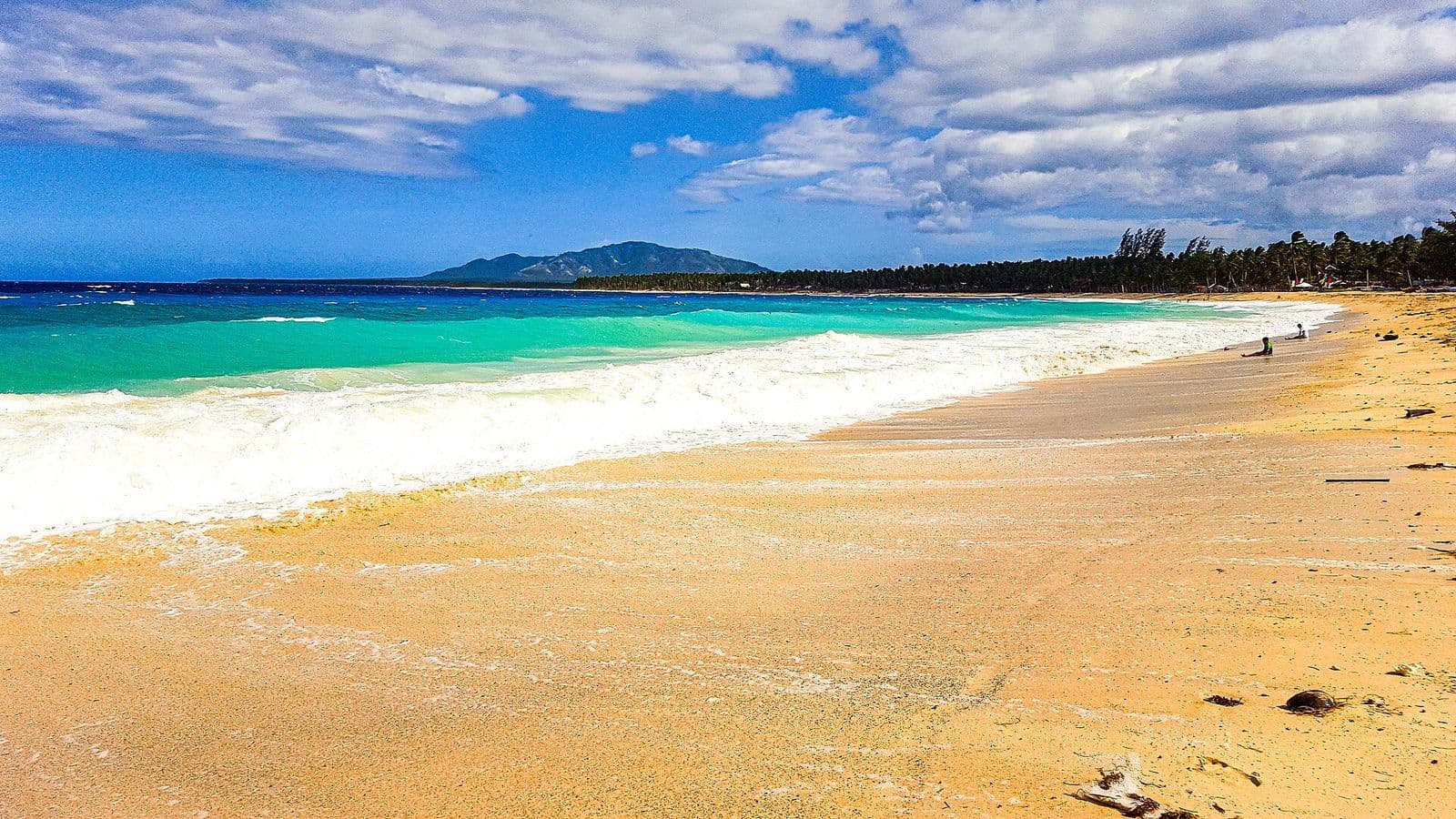
It is a working city first. Most visitors sleep at Dahican Beach, 10 to 15 minutes away by tricycle, and come into town for errands, a proper meal and a walk on the baywalk in the evening.
Who Mati City Suits
Stay in town if you are in Mati for a night or two, for work, or rolling in late off the bus from Davao. You are close to shops, banks and restaurants, and Dahican is still an easy ride away.
Skip it as a base for a beach trip. The city faces the calm inner bay, not open sea, so for sand and surf stay at Dahican.
Getting to Mati City
Bachelor Express buses run from the Davao City Overland Transport Terminal at Ecoland to the Mati bus terminal in about 4 hours, leaving roughly every 40 minutes from around 2:30am to 6pm. The aircon fare was ₱392 in June 2026, plus any fuel surcharge.
Vans and private cars take 2.5 to 3 hours. Mati's airport has no commercial flights, so fly into Davao City. Full details are in the Mati travel guide.
Getting Around
Tricycles, called bao-bao locally, are everywhere and the easiest way around the centre and out to Dahican. Habal-habal cover the steeper roads.
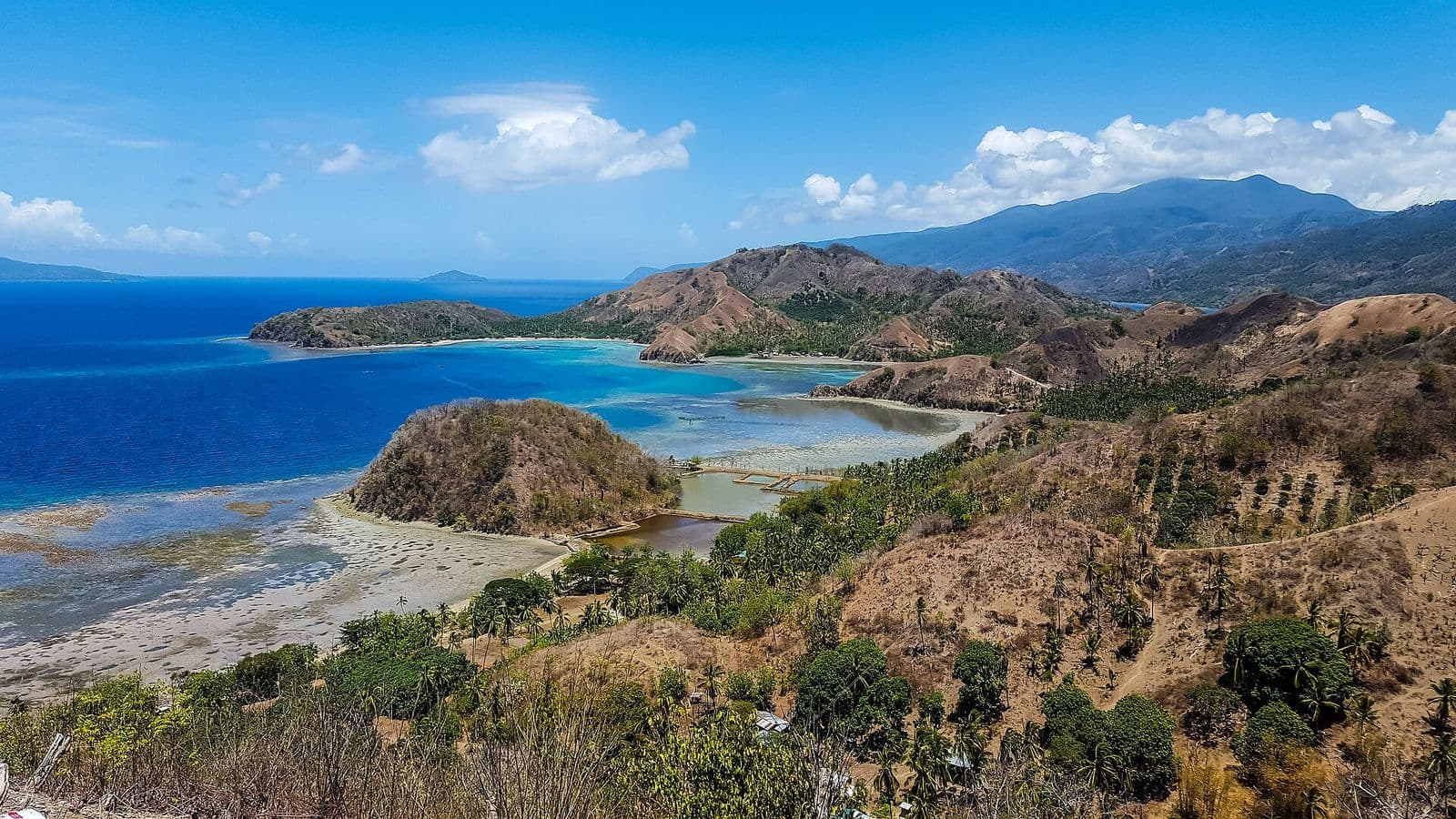
For a first look at the area, hire a bao-bao and driver for the day. Expect about ₱1,800 with fuel, covering the Sleeping Dinosaur view deck, the baywalk, Subangan Museum, Guang-Guang and Dahican, with entrance fees extra. If you plan longer day trips, a hired car or motorbike saves time.
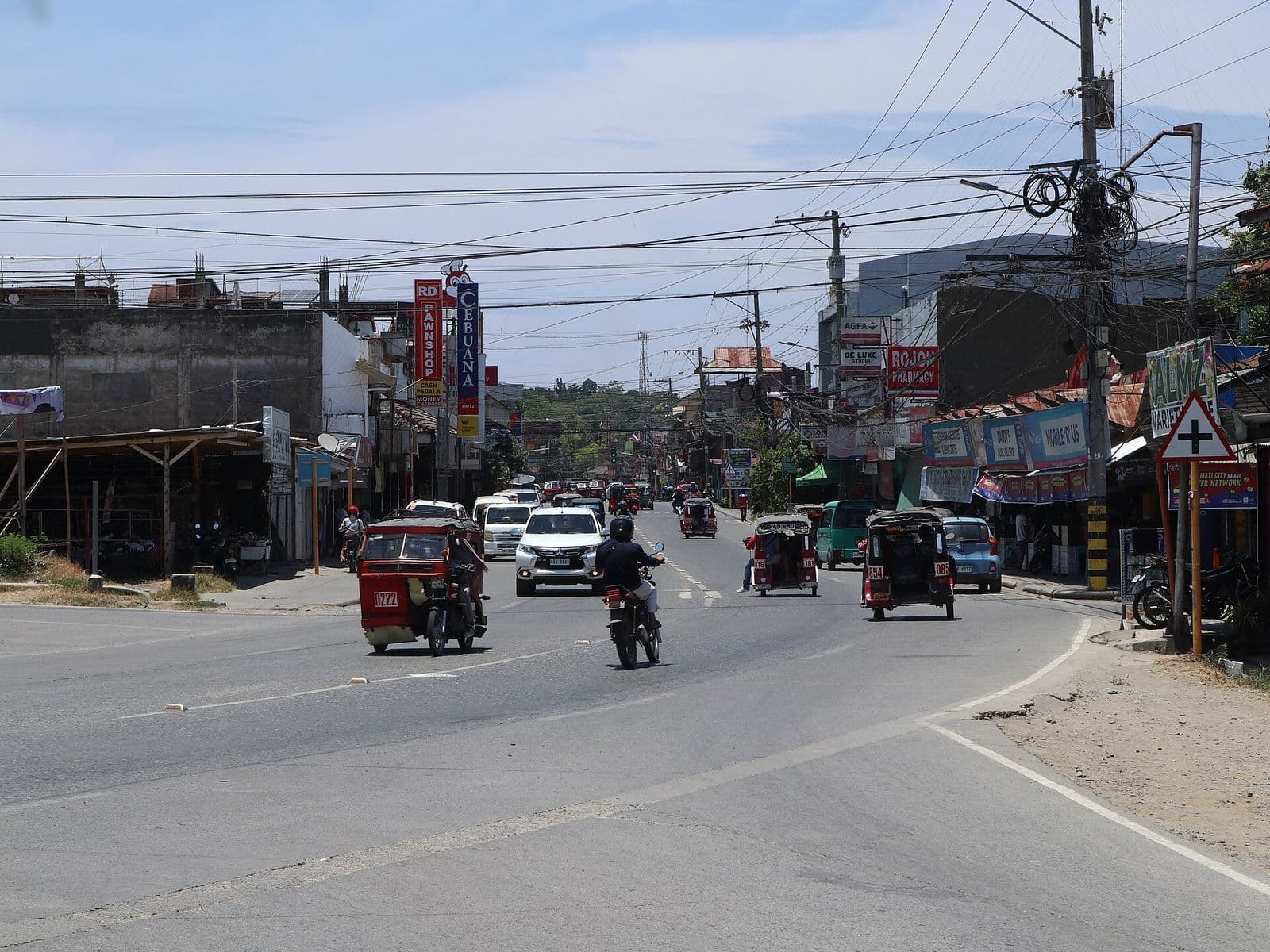
Photo: Patrickroque01, CC BY-SA 4.0 via Wikimedia Commons
Where to Stay in Mati City
The centre's hotels and pension houses are mostly aimed at business and government travellers: practical, and close to food and transport. Adelina Hotel and Suites is the step up, at about ₱3,900 to ₱4,000. Residencia de Rubie is around ₱1,700, and Señorita Suites and Casa Verde are other options.
For a beach stay, look at Dahican instead.
Where to Eat
Start with Kusina Merced, a Filipino restaurant in the Villa Merced compound on the corner of Mabini and Bonifacio streets in Barangay Central, a short walk from the baywalk. It does dine-in, takeaway and delivery, Google lists it at up to ₱500 per person, and one visitor mentions the mariscos negra. It is listed as open until 9pm, but it is new, so check hours before you go.
The public market and the streets around it have carinderias, evening barbecue stalls, bakeries and small cafés. Order seafood, especially tuna and grilled fish. Out at Dahican, Bawud is the open-air spot to know.
Things to Do in Mati City
Mati Park and Baywalk
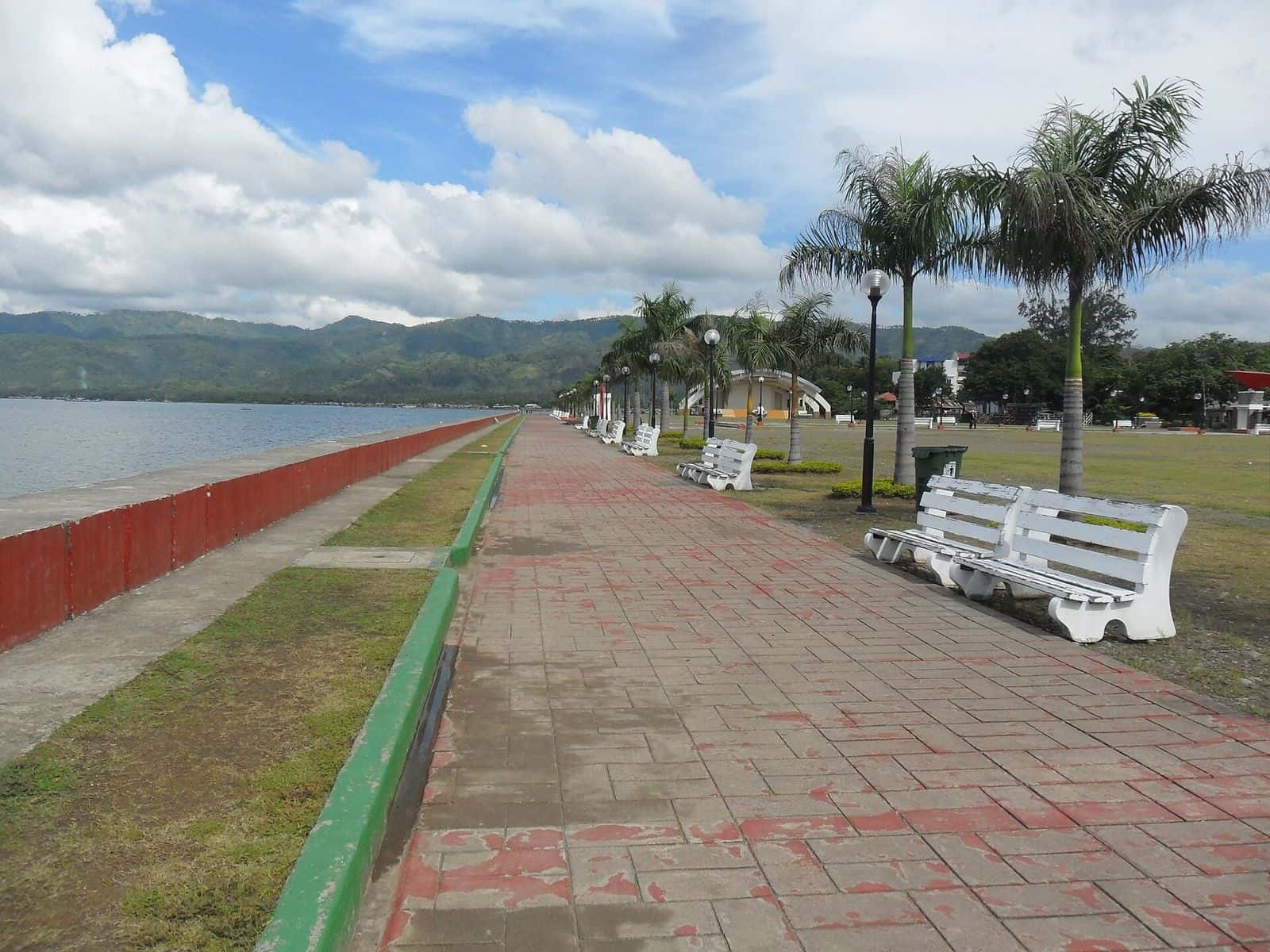
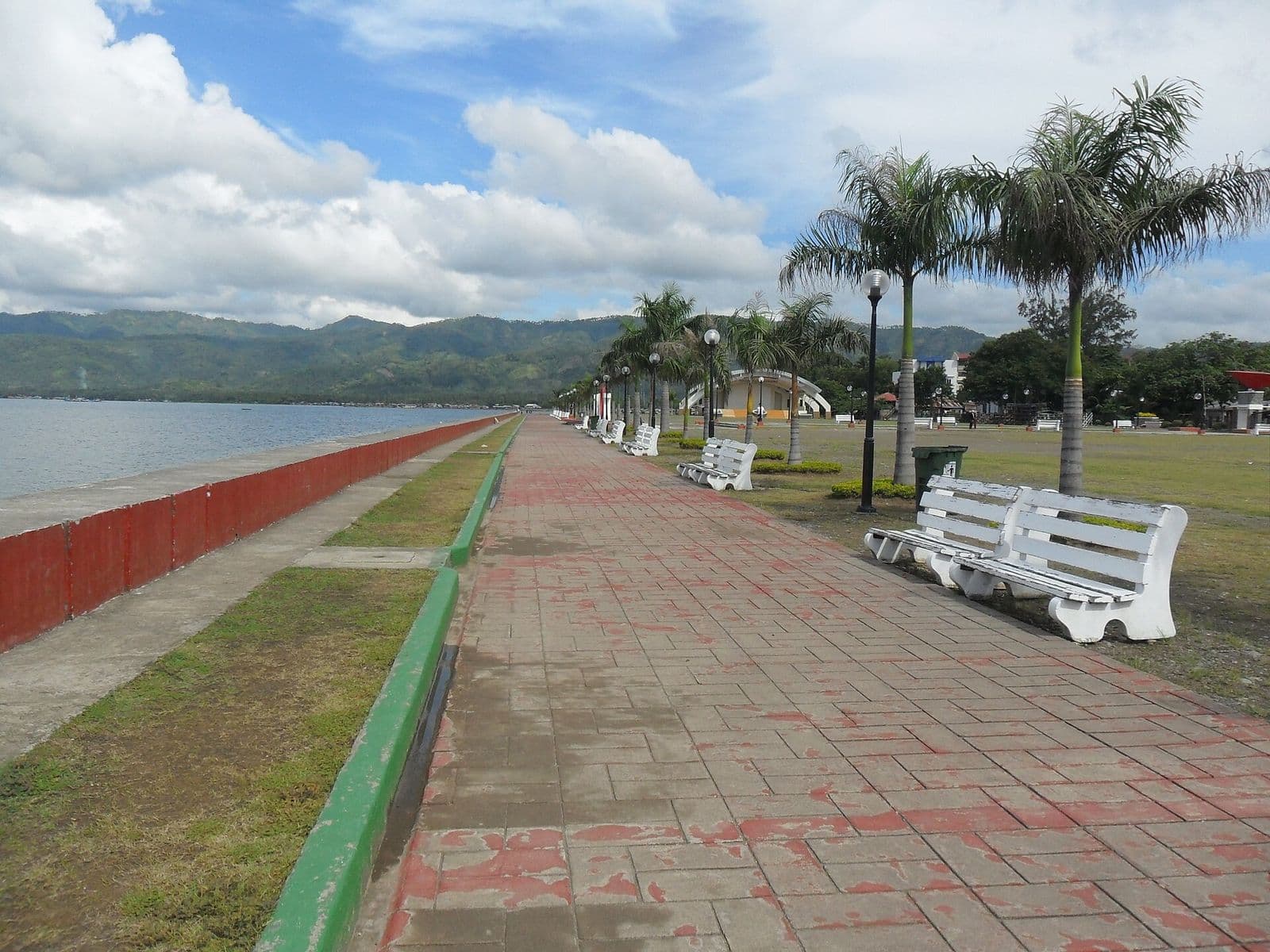
A long seafront promenade and park on Pujada Bay. Locals walk and jog here in the late afternoon, and the big festival events are held here too. Look for the I Love Mati sign.
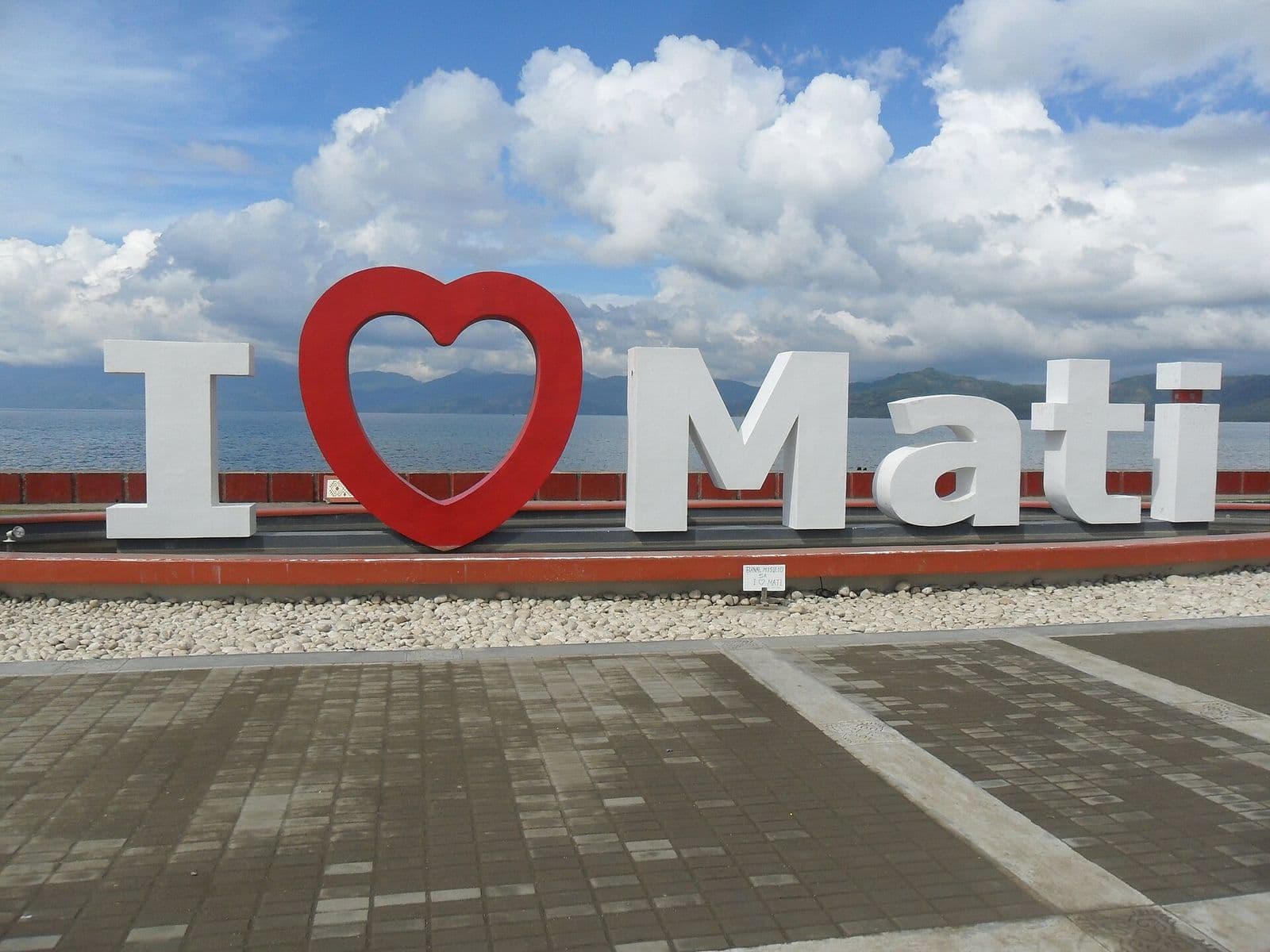
Photo: Kadayawan, CC BY-SA 3.0 via Wikimedia Commons
Subangan Museum
The Subangan Davao Oriental Provincial Museum opened in 2014 at the Provincial Tourism Complex. Its centrepiece is Davor, the 16-metre skeleton of a sperm whale that stranded in Governor Generoso in 2010. Other galleries cover the province's natural history and Mandaya and Kalagan culture, and there is a memorial to the victims of Typhoon Pablo in 2012.
There is an entrance fee, given as ₱50 in some recent sources, and hours are not published, so check ahead.
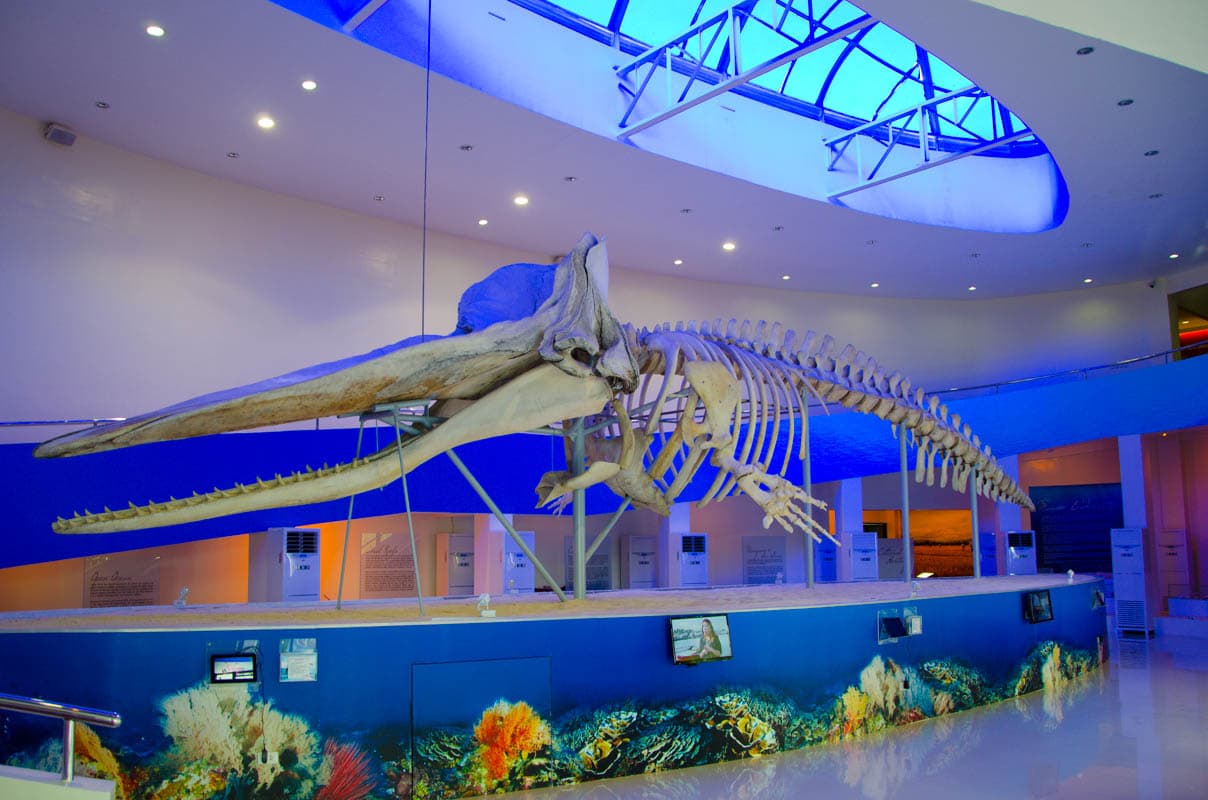
Photo: Way PH (wayph.com), CC BY 2.0 via Wikimedia Commons
Guang-Guang Mangrove Park
A shaded boardwalk through the mangroves at Guang-Guang, on the way to Dahican. Entry is free to about ₱50 depending on the source, so carry small change.
Ultralight flights
The Mindanao SAGA Flying Club flies ultralights from Mati airport, Tuesday to Sunday from sunrise, and cancels when it is windy. Prices depend on flight length, so message them first on +63 917 307 0670.
The cathedral
The Cathedral of San Nicolas de Tolentino is the seat of the Diocese of Mati. The town fiesta is held on 10 September.
Day trips
From the city it is a short ride to the Sleeping Dinosaur and Dahican Beach. Boats for Pujada Bay leave from Pier One in Sitio Batiano, Barangay Tamisan, about ₱150 to ₱200 by tricycle from the centre.
Festivals
Mati holds two big festivals. The Pujada Bay Festival runs in mid-June around the cityhood anniversary, and the Sambuokan Festival celebrates the city's founding anniversary on 29 October with street dancing, drum and lyre competitions and events at the baywalk.
The 2025 Sambuokan was cancelled after the earthquakes, so 2026 is the first full edition since 2024, and 29 October 2026 is a special non-working day in Mati. Hotels in the centre fill up for both festivals.
Best Time to Visit
Mati has rain spread through the year. The heaviest months are usually May to July and November, and February to April and September are a little drier. The city itself is easy to visit in any month.
Practical Tips
Cash
Use the banks and ATMs in the centre before heading to Dahican or on day trips. ATMs are scarce out there and most places want cash.
Rush hour
Traffic builds around the city centre and the boulevard at rush hour. Allow extra time to reach the bus terminal.
Mati City FAQ
Is it better to stay in Mati City or Dahican?
Dahican for the beach, surf and turtles. The city for short stays, work trips or late arrivals.
What is the Subangan Museum known for?
Davor, the 16-metre skeleton of a sperm whale, along with exhibits on Davao Oriental's nature and its Mandaya and Kalagan peoples.
How do you get around Mati?
Tricycles (bao-bao) in town and out to Dahican, habal-habal for steeper roads, and a hired car or motorbike for day trips.
Explore Nearby
Back to the Mati travel guide. Nearby: Dahican Beach, the Sleeping Dinosaur and Pujada Bay.