San Fernando, La Union Travel Guide – Ma-Cho Temple, Pindangan Ruins & Poro Point
Page summary
San Fernando: La Union's Capital
Most people only see San Fernando through a bus window. It's La Union's capital, about 25 minutes south of San Juan, and plenty of buses from Manila end here. Get off for a morning, though, because the province's best heritage sights are all a short tricycle ride apart.
Prices, fees and schedules in this guide were checked in October 2026. They change often, so use them as a guide and confirm with the operator or venue before you go.
Start with Ma-Cho Temple, a Taoist temple on a hill with the sea spread out below it. Then the Pindangan Ruins, the cathedral, and the baywalk and lighthouse at Poro Point, with a halo-halo stop somewhere in the middle. That's a full half-day, easily done from the coast.
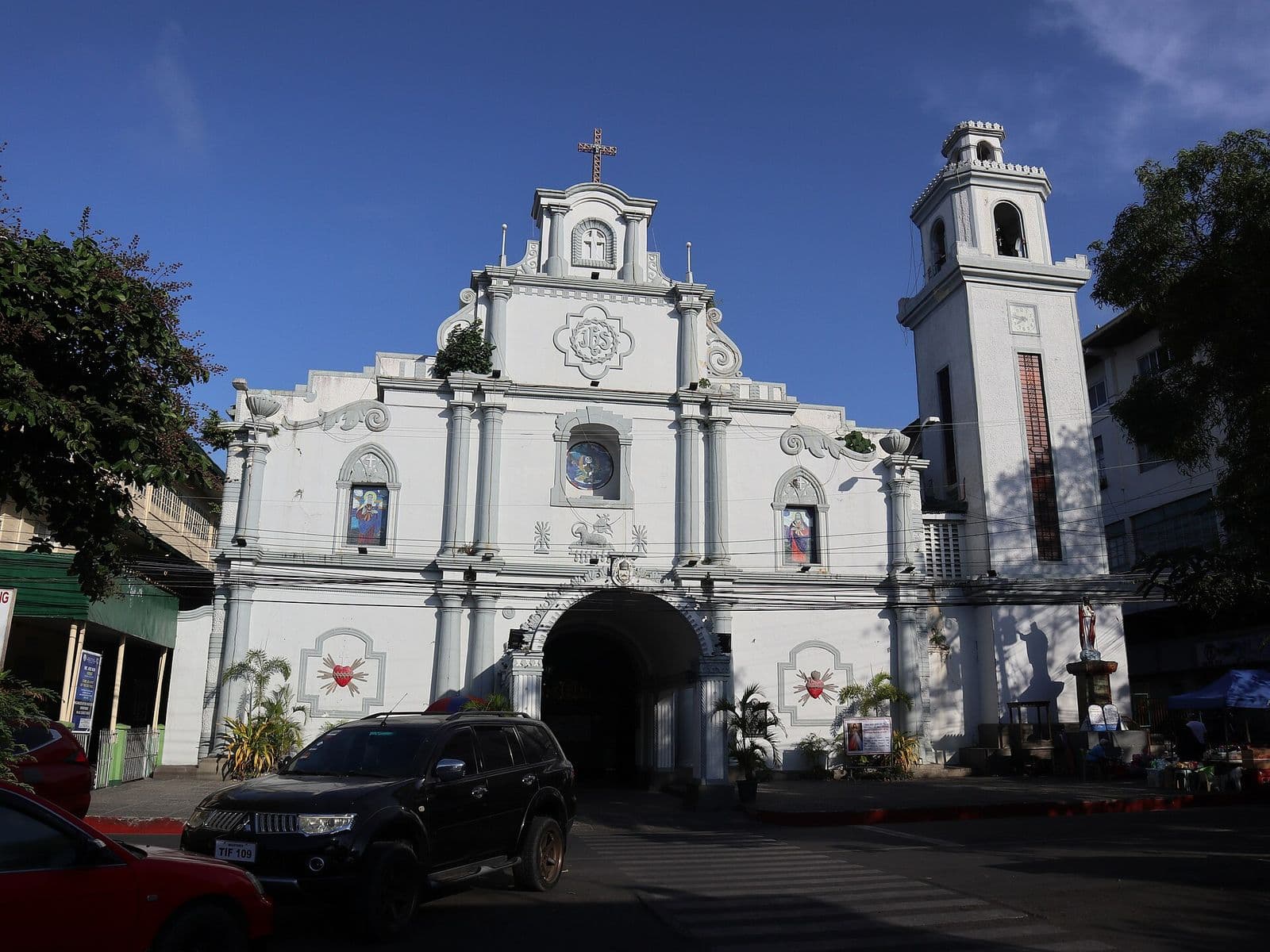
Photo: Patrickroque01, CC BY-SA 4.0 via Wikimedia Commons
Don't expect a beach town. San Fernando is a working city of traffic, malls and government offices. Come for the sights, the banks and the shopping, then head back to the sand.
Who Should Visit San Fernando
San Fernando is for the free morning in a San Juan trip. If you like old churches and temples, or need a city hotel close to the bus terminals for an early departure, it earns its place.
Don't base a surf or beach holiday here. The waves are 25 minutes north in San Juan, and you'd spend every day on a jeepney getting to them.
How to Get to San Fernando
From Manila
Most La Union buses from Metro Manila end in San Fernando, about six hours on the road. Fares listed for 2026 run from roughly ₱600 to ₱900 depending on operator and class. Heading back, leave before the Sunday rush, as the return can eat half a day.
From San Juan
Jeepneys run south along the national highway in about 25 minutes, for ₱11 to ₱15. A tricycle charter is around ₱100, so agree the fare before you get in.
By air
San Fernando's airport at Poro Point has no scheduled commercial flights right now. Fly into Manila or Clark and take the bus.
Getting Around San Fernando
Tricycles are the way to go. The sights are spread across the city and the hills around it, and Ma-Cho Temple sits at the top of a steep road you don't want to walk in the midday heat.
For a half-day loop, hire one tricycle for the lot. Agree the stops and the price before you set off.
Where to Stay in San Fernando
Where to Eat in San Fernando
This is where you eat Ilocano food away from the tourist strip. The city has more everyday eateries than anywhere else in the province.
Halo-Halo de Iloko
The province's best-known halo-halo, served here since 2004 and made with 12 local ingredients. The kitchen also does pinakbet with bagnet if you want something savoury first. Our most recent sources are a few years old, so check it's open before you build a hot afternoon around it.
What to order
Bagnet, the crispy deep-fried pork belly, is the one to try first. Then pinakbet (vegetables cooked in shrimp paste), dinakdakan, and Ilocos empanada with its orange rice-flour crust.
Things to Do in San Fernando
Ma-Cho Temple
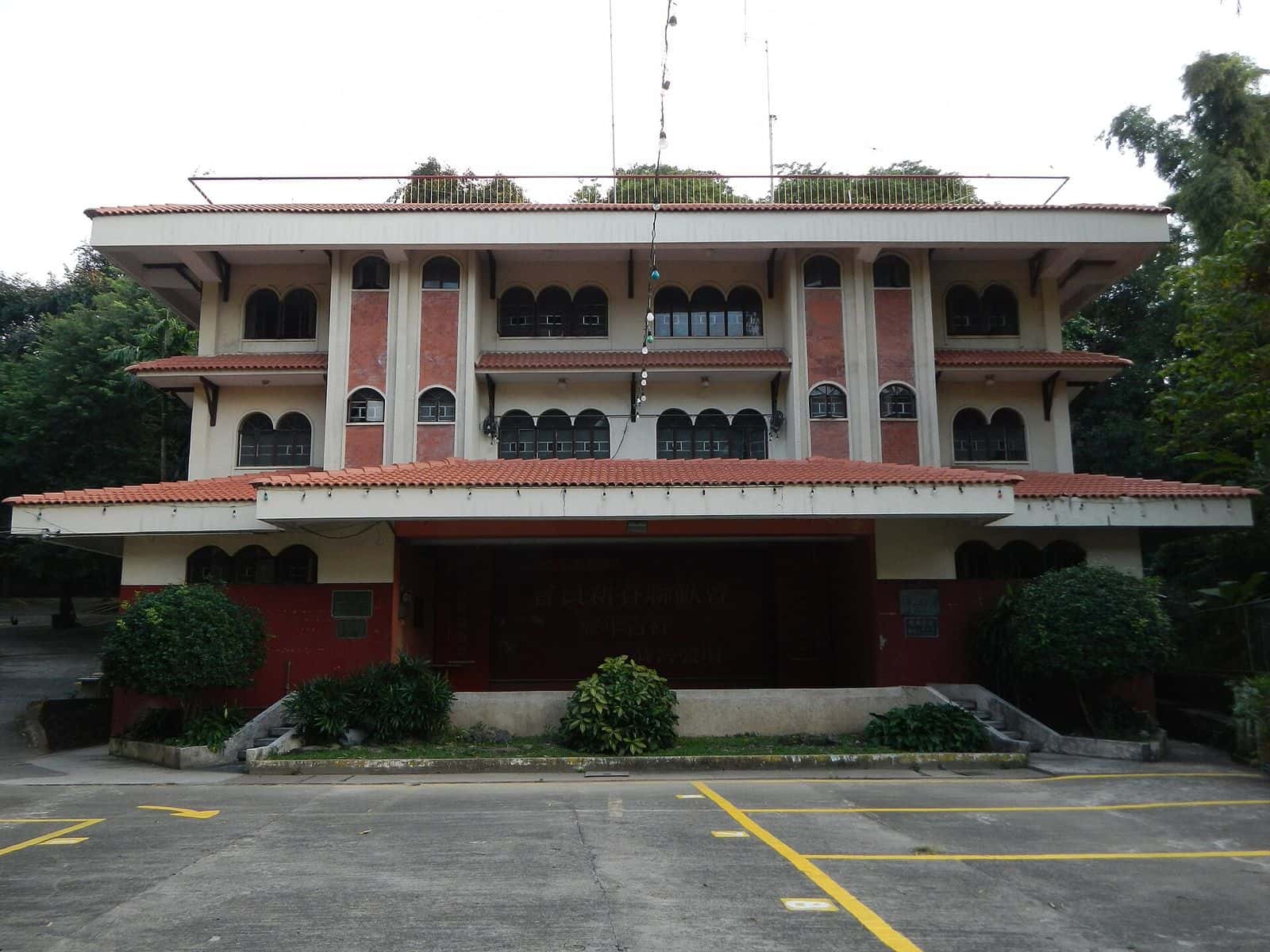
The city's Chinese community built this Taoist temple for Mazu, the goddess of the sea, and it looks straight out over the West Philippine Sea. Inside you get carved wooden ceilings, and outside a terrace with views over the city. Entry is free, with a donation box.
Opening is from around 7am or 8am until 5pm, so aim for mid-morning. It's an active place of worship: dress respectfully and keep your voice down.
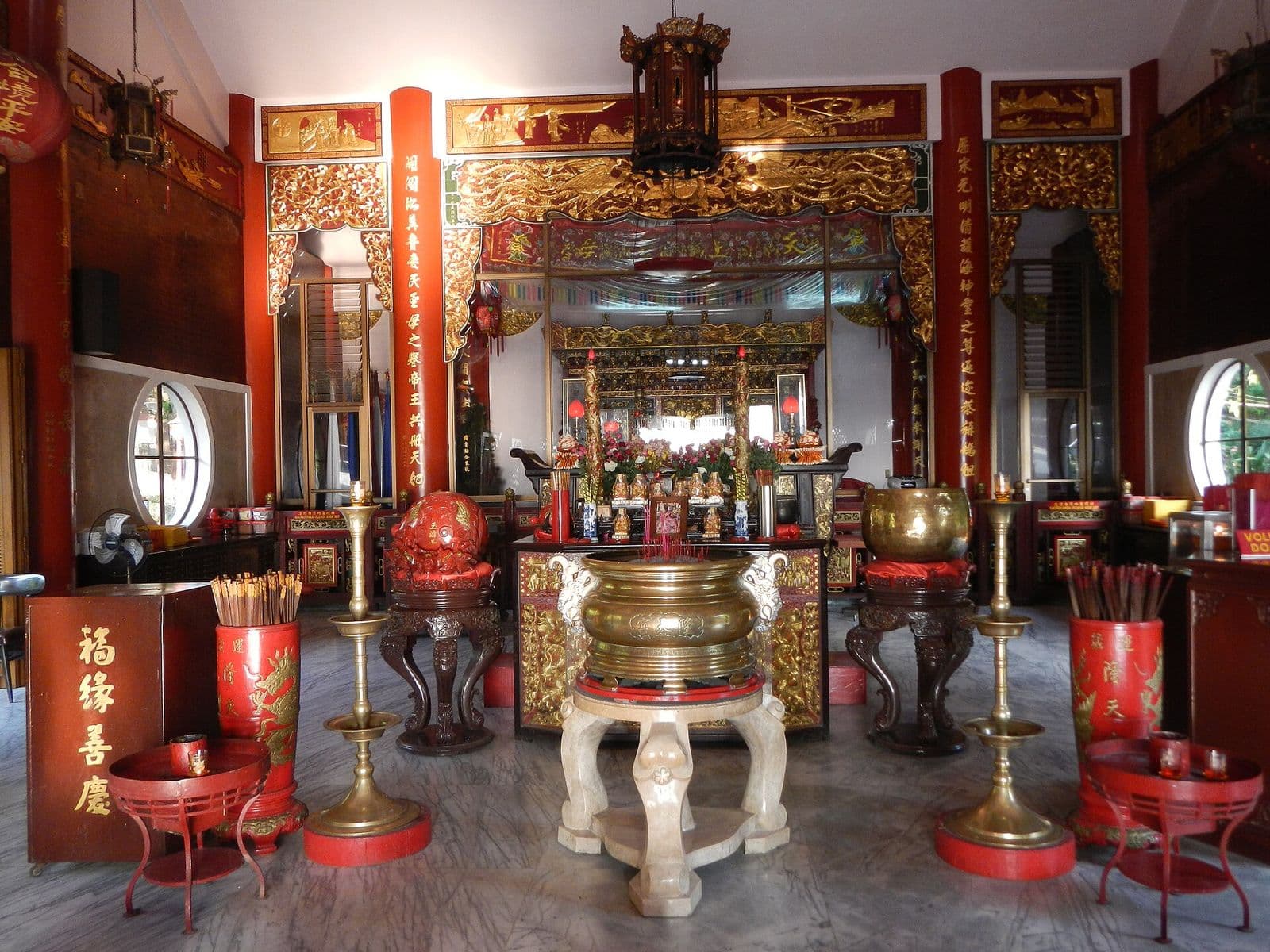
Photo: Ramon FVelasquez, CC BY-SA 3.0 via Wikimedia Commons
Pindangan Ruins
What's left of San Fernando's first church, built near the sea in the 18th century and abandoned when the town moved inland. The arched outer walls stand in a quiet garden looked after by the Carmelite Sisters next door. Expect a small fee, somewhere between ₱25 and ₱100. There isn't a lot to see, so make it a short stop.
San Fernando Cathedral
The Cathedral of St William the Hermit sits in the city centre. Its original facade came through the Second World War, which is reason enough for a quick look on the way past.
Poro Point
A headland west of the city with a baywalk and a lighthouse built in 1905. The lighthouse still works but is closed to visitors, so you see it from outside. Go at sunrise or sunset.
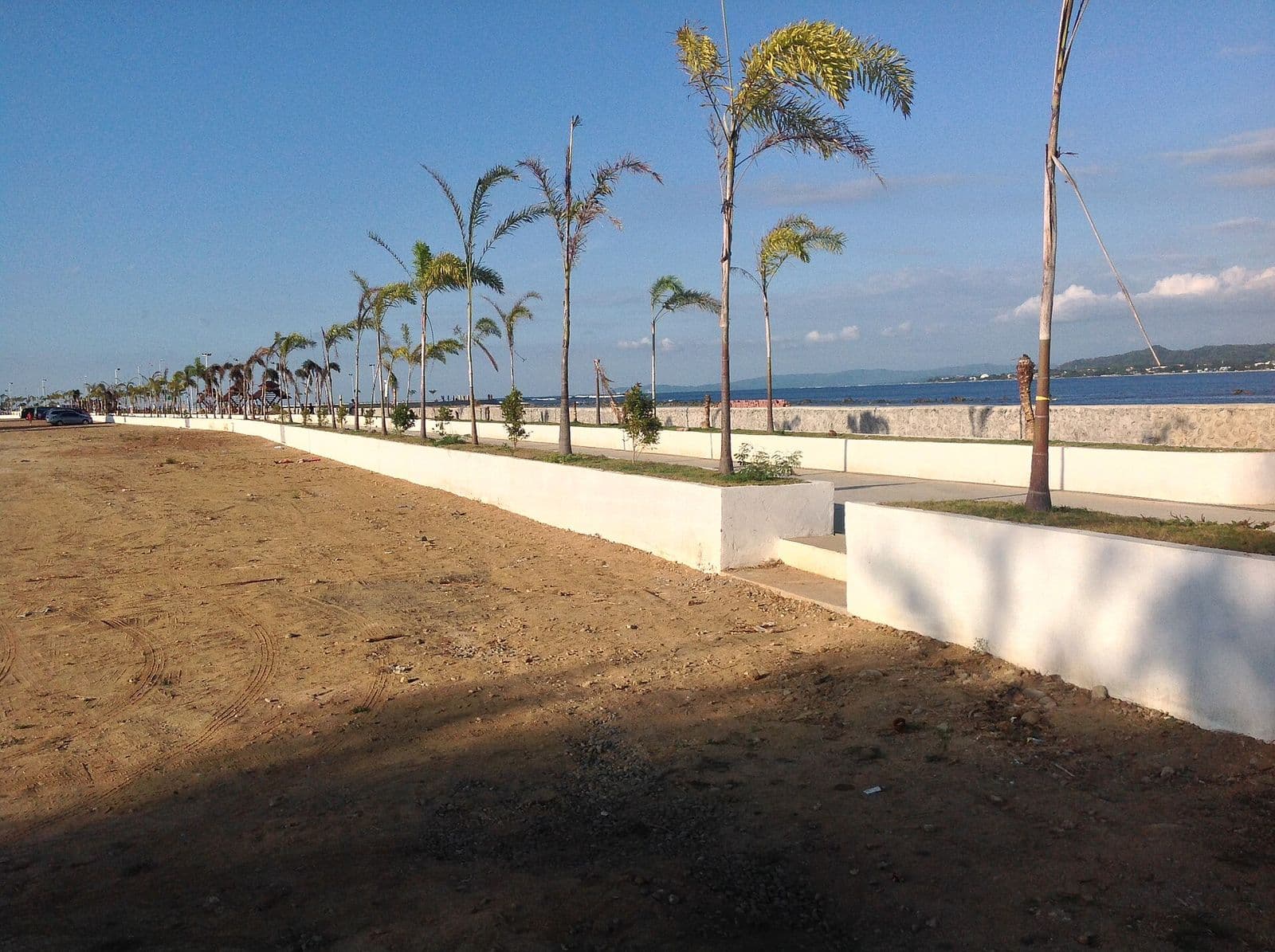
Photo: Dominiqueflores0514, CC BY-SA 4.0 via Wikimedia Commons
La Union Botanical Garden
A large garden in Barangay Cadaclan, about 8 km out of the city, with native plants and a small animal area. Current hours and fees are hard to pin down, so call ahead.
Best Time to Visit San Fernando
The city works any time of year. Go in the morning: it's cooler, and the temple is quieter.
The dry months, roughly November to May, are the most comfortable. From June to October, plan indoor stops for the afternoon, when the rain usually comes. In March, the Pindangan Festival fills the streets around Cityhood Day on 20 March.
Practical Tips for San Fernando
Get your cash here. San Fernando has more banks and ATMs than anywhere else in La Union, and the smaller towns north and south have far fewer.
Cover shoulders and knees for Ma-Cho Temple and the cathedral. For a multi-stop day, agree the tricycle fare up front, and keep it to one driver for the half-day.
San Fernando FAQ
Is San Fernando worth visiting?
Yes, as a half-day or day trip from San Juan. Go for Ma-Cho Temple, the Pindangan Ruins, Poro Point and proper Ilocano food. Just don't stay here for the beach.
Is there an entrance fee for Ma-Cho Temple?
No. Entry is free, with a donation box for upkeep.
How far is San Fernando from San Juan?
About 25 minutes by jeepney along the national highway.
Can you fly to San Fernando, La Union?
Not at the moment. Its airport has no scheduled commercial flights. Fly to Manila or Clark and take a bus.
Explore Nearby
San Juan is 25 minutes north for the surf. Head south instead and Bauang has grape farms and calmer beaches, with the basilica at Agoo further on. For the whole province, start with the La Union travel guide.