Bauang, La Union Travel Guide – Grape Picking & Calm Beach Resorts
Page summary
Bauang: Grapes and Calmer Beaches
Bauang, just south of San Fernando, is famous for something you don't expect in the tropics: grapes. It was the first place in the Philippines to grow them commercially. In season, several family farms along the highway hand you a pair of scissors and let you pick your own.
Prices, fees and schedules in this guide were checked in October 2026. They change often, so use them as a guide and confirm with the operator or venue before you go.
The town also has a long beach with much calmer water than San Juan's surf breaks, lined with resorts built for families and couples who want a quieter stay.
Think of Bauang as San Juan's easygoing neighbour. There's less scene and easier swimming, and you're still close enough to drive up for a surf lesson.
Who Should Visit Bauang
Bauang is for families, couples and groups who want a pool, a calm beach and a quieter stay. Time your trip for grape season and you get the farms as a bonus.
If you want surf, nightlife and cafés on your doorstep, skip it and stay in San Juan, a short ride north through San Fernando.
How to Get to Bauang
Bauang is on the national highway just south of San Fernando, and buses from Manila to La Union pass straight through. Ask the conductor to drop you in Bauang, or right at the grape farms, which sit along the highway.
From San Fernando, jeepneys run south to Bauang. From San Juan, take a jeepney to San Fernando and change there.
Getting Around Bauang
Tricycles handle the short hops around town and between the resorts and the farms. Agree the fare before you get in.
Where to Stay in Bauang
The beachfront is lined with resorts, many of them older, larger places with pools, aimed at families and groups. It's quieter than San Juan, and usually easier to book at weekends.
Where to Eat in Bauang
Most people eat at their resort or at local eateries along the highway. Several grape farms sell grape juice and jam, so pick some up on the way back.
Things to Do in Bauang
Pick grapes
Lomboy Farms started growing grapes in 1972 and is the original. Gapuz, Calica and Manguerra farms are close by along the highway. Most let you pick your own and pay by the kilo, recently somewhere between ₱250 and ₱400, and some add a small entrance or environmental fee. Scissors and baskets are usually provided.
When the grapes are ready
The main season runs from roughly February or March to May, peaking around April. Outside those months there may be few grapes or none at all. Message the farm before you go.
Swim at Bauang Beach
The water is calmer than at San Juan's surf beaches, and swimming close to shore is easy. Cleanliness varies along the beach. The stretch in front of a well-kept resort is usually your best bet.
Watch the sunset
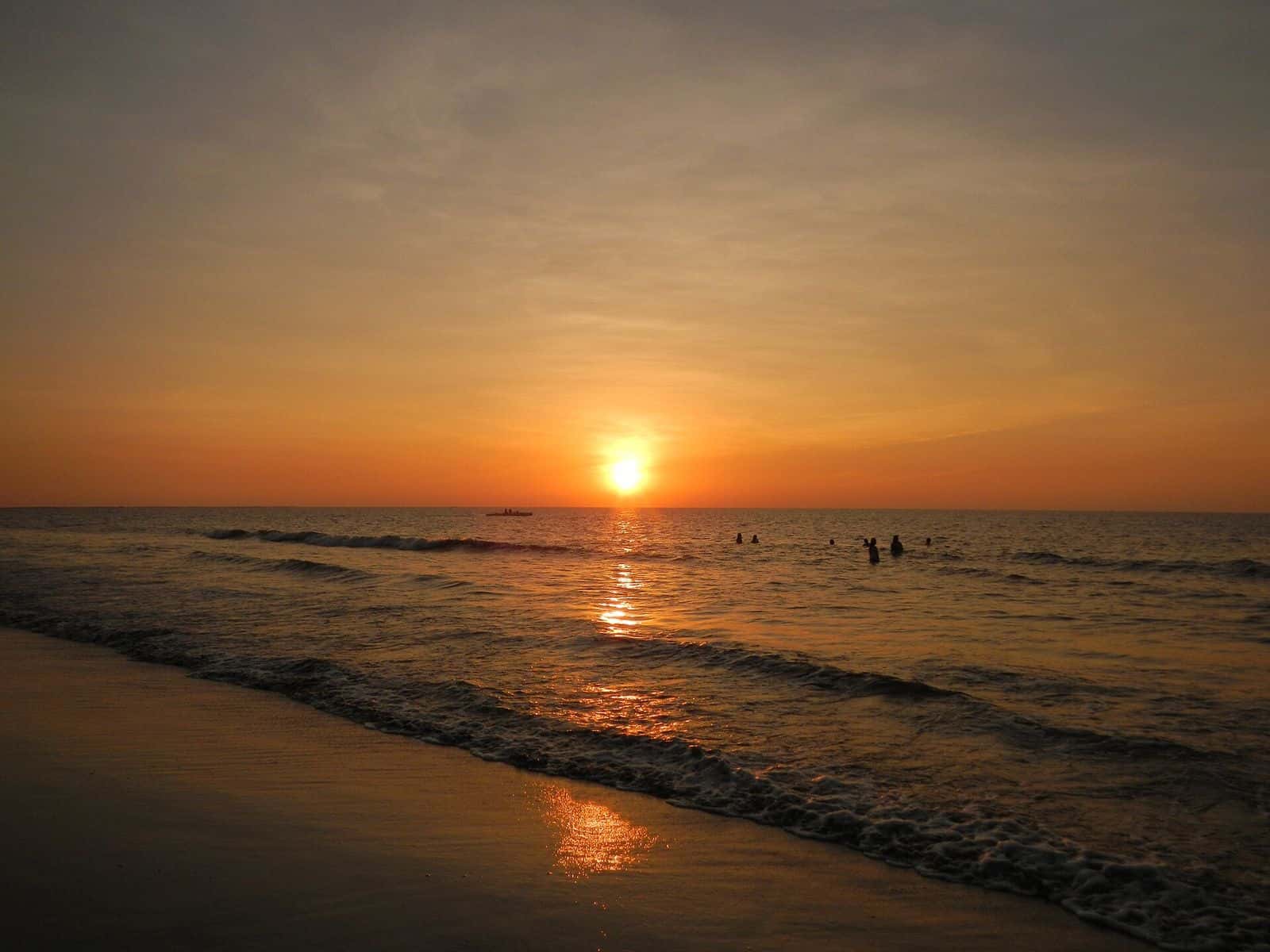
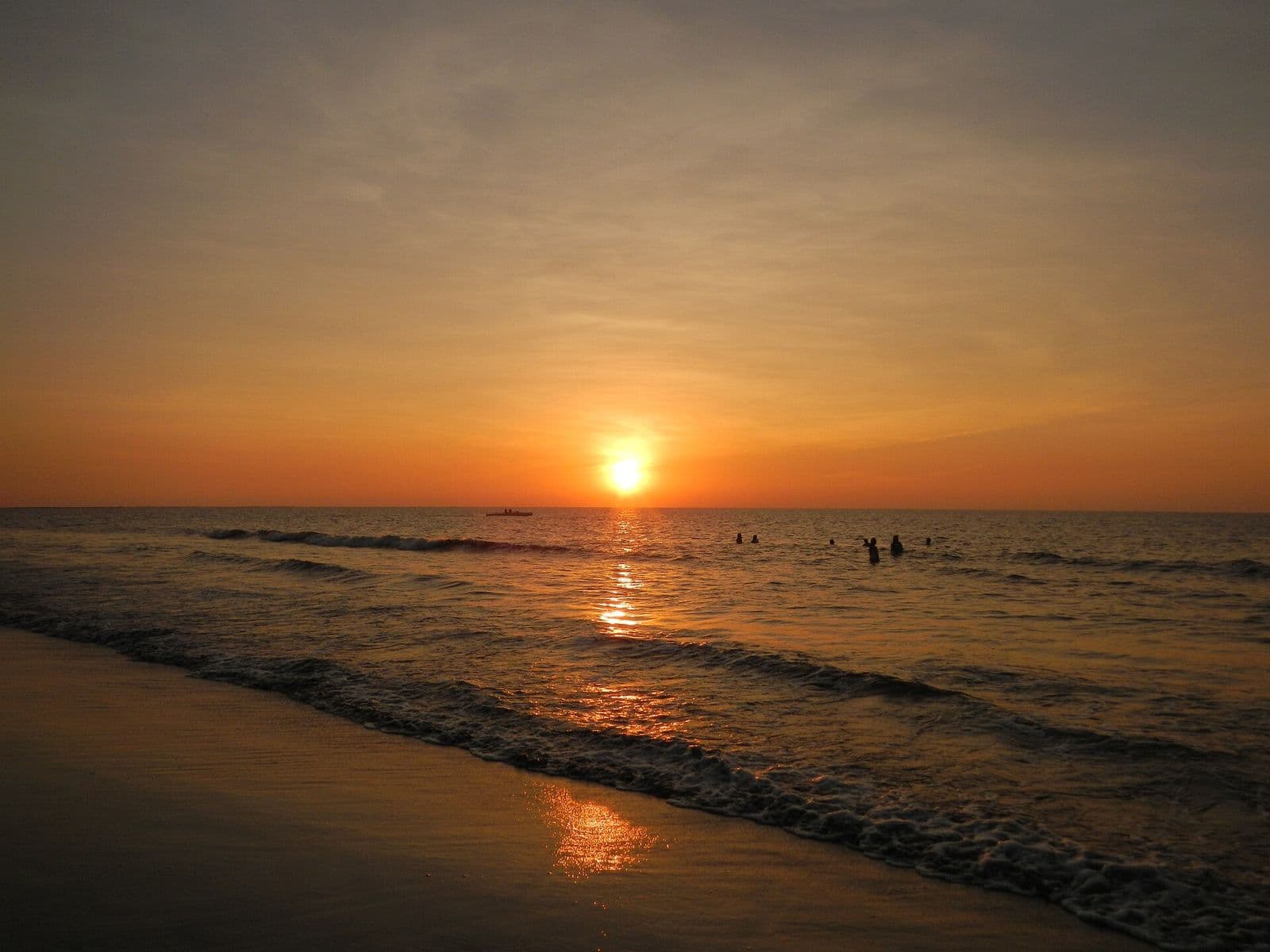
Bauang faces west over the sea. Grab a spot on the sand around sundown, as the sunsets here are some of the best on this stretch of coast.
Best Time to Visit Bauang
Come between March and May if grape picking is the plan. It's grape season, and the weather is dry and hot.
November to February is dry and comfortable for the beach, but the grapes are unlikely to be ready. June to October is the rainy season, with rougher seas, though it's quieter and cheaper.
Practical Tips for Bauang
Call or message the farms first. Harvests vary from year to year and farm to farm, and a quick check saves you a wasted trip.
Some parts of the beach have a litter problem, so set up in front of one of the better-kept resorts. Bring cash, as farms and small eateries are often cash only.
Bauang FAQ
When is grape season in La Union?
Roughly February or March to May. Call the farms in Bauang to check before you go.
How much does grape picking cost?
Around ₱250 to ₱400 per kilo, sometimes with a small entrance fee on top.
Can you swim at Bauang Beach?
Yes. The water is calmer than at San Juan's surf beaches. Pick a clean stretch, usually in front of a resort.
Is Bauang better than San Juan?
For a quieter resort stay and easier swimming, yes. For surf, food and nightlife, stay in San Juan.
Explore Nearby
San Fernando is just north for Ma-Cho Temple and the city sights, and Agoo is south for the basilica. For surf, see San Juan, and for the whole province, the La Union travel guide.