Where to Stay in Mati: Dahican Beach or the City
Page summary
Beach or City?
Mati gives you two choices of base: the resorts along Dahican Beach, or the hotels and inns in the city centre, 10 to 15 minutes away by tricycle. Come for the beach and you want Dahican. Come for one night, a work trip or a late bus from Davao, and the city makes more sense.
Prices, fares and schedules in this post were checked in October 2026. They change often, especially with fuel surcharges and the seasons, so use them as a guide and confirm with the operator or venue before you travel.
Mati resorts rarely update their published rates, so treat the numbers below as a guide and ask when you book.
Dahican Beach
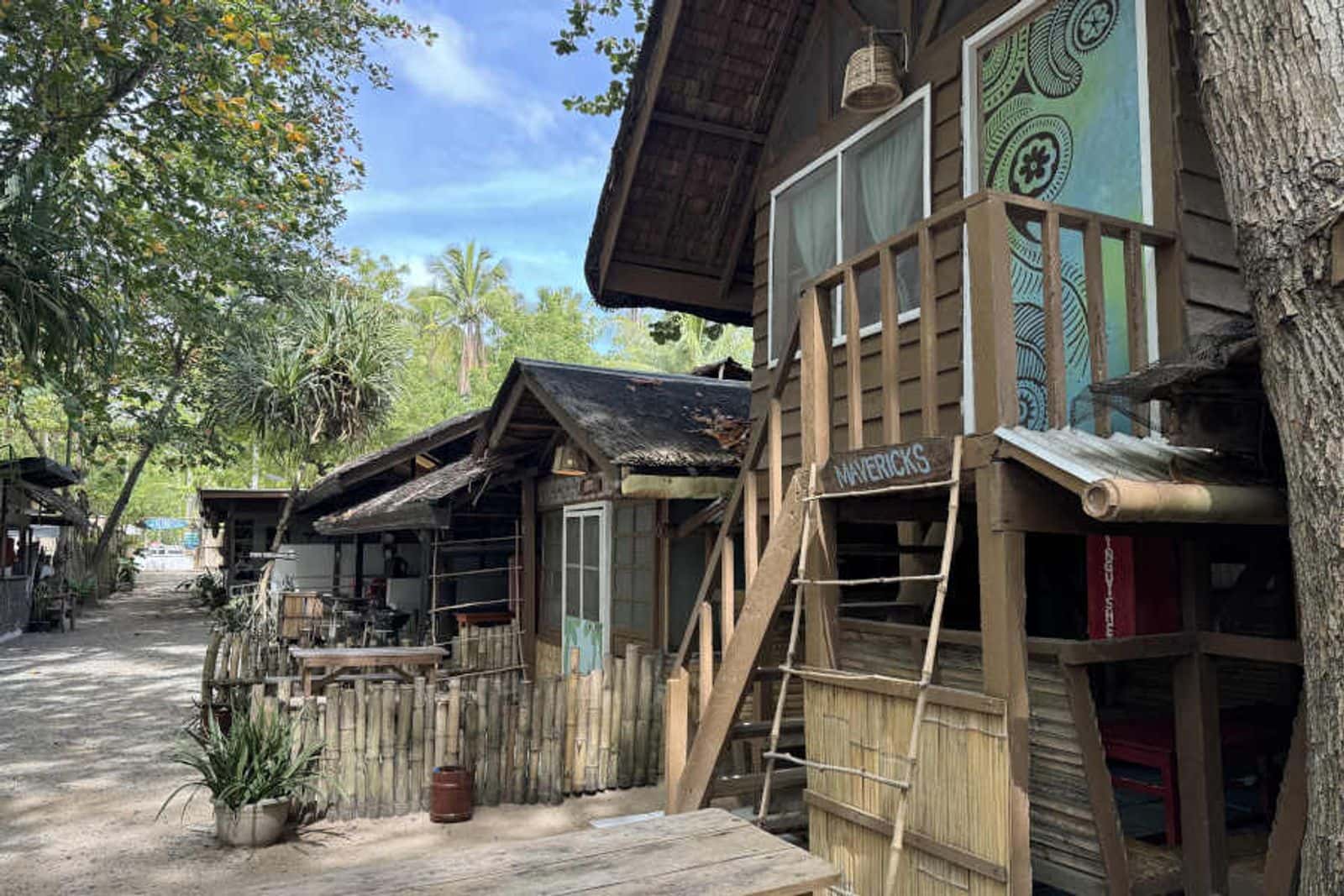
Dahican is a long stretch of open Pacific sand, with everything from basic kubo huts and campsites to air-conditioned rooms and villas, most of them right on the beach. This is where you stay for surfing, skimboarding, turtle releases and long walks at sunrise. Our Dahican Beach guide has the full picture.
Typical prices
Budget resorts and kubo huts run about ₱1,500 to ₱2,500 a night, usually priced for a group rather than per person. Higher-end resorts and villas start at around ₱3,500.
Long-running places
Dahican Surf Resort is the best-known name on the beach, and it's open in 2026. Fan kubo huts cost ₱2,500 for five people, ₱4,000 for eight, ₱5,000 for ten and ₱6,000 for twelve, and an air-conditioned room for two is ₱2,000. There's a restaurant and bar, shared showers and surf rentals, and day visitors pay ₱100.
Botona Beach Resort and Tropical Kanakbai have been around for years but don't publish current rates, so call ahead. Amihan sa Dahican, the local surf and conservation group behind the turtle patrols, also has a camp and surf base on the beach.
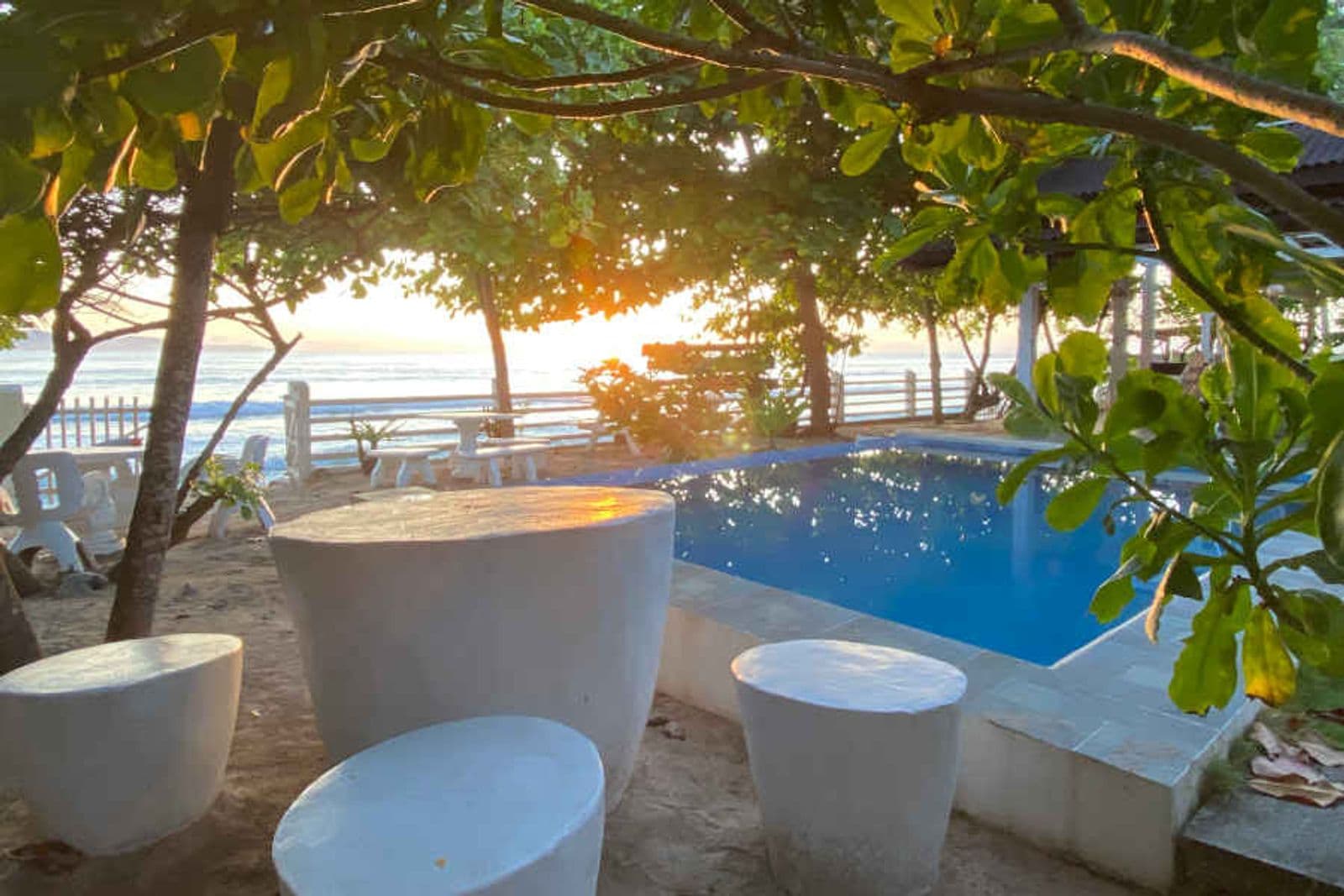
Photo: The Gees Travel (thegeestravel.com)
Good to know
Shops are few at Dahican and ATMs are limited, so bring cash and supplies from the city. Rooms book up from March to May and during the June and October festivals.
For food on the beach side, Bawud is an open-air restaurant with pastas at around ₱185 and quesadillas at around ₱190.
Mati City Centre
The city has hotels, inns and pension houses close to the bus terminal, the market, banks and restaurants. It suits business travellers and anyone rolling in late off the Davao bus. Adelina Hotel and Suites is one of the bigger hotels at around ₱3,900 to ₱4,000 a night, while Residencia de Rubie is closer to ₱1,700. Señorita Suites and Casa Verde are two more to check.
For dinner, Kusina Merced is a Filipino restaurant in the Villa Merced compound, on the corner of Mabini and Bonifacio streets and a short walk from the baywalk. It's a new listing, so check its hours before you go.
From the city, Dahican is a short tricycle ride away, so you can still spend your days on the beach. See our Mati City guide.
Booking Tips
Ask what is included
Most Dahican resorts price by hut, room or group size, and some charge extra for day use or facilities. Check what you're getting before you pay.
Book ahead in peak times
March to May, Holy Week, the Pujada Bay Festival in June and the Sambuokan Festival in late October are the busy weeks. Sambuokan's main day, 29 October, is a local holiday in 2026, so expect the city to fill up.
Think about the waves
Dahican faces the open Pacific, and the surf season runs from about October or November to March, when the amihan blows. If you want calm swimming, ask how rough the water usually is in front of your resort, and follow the lifeguards and the city's beach flags.
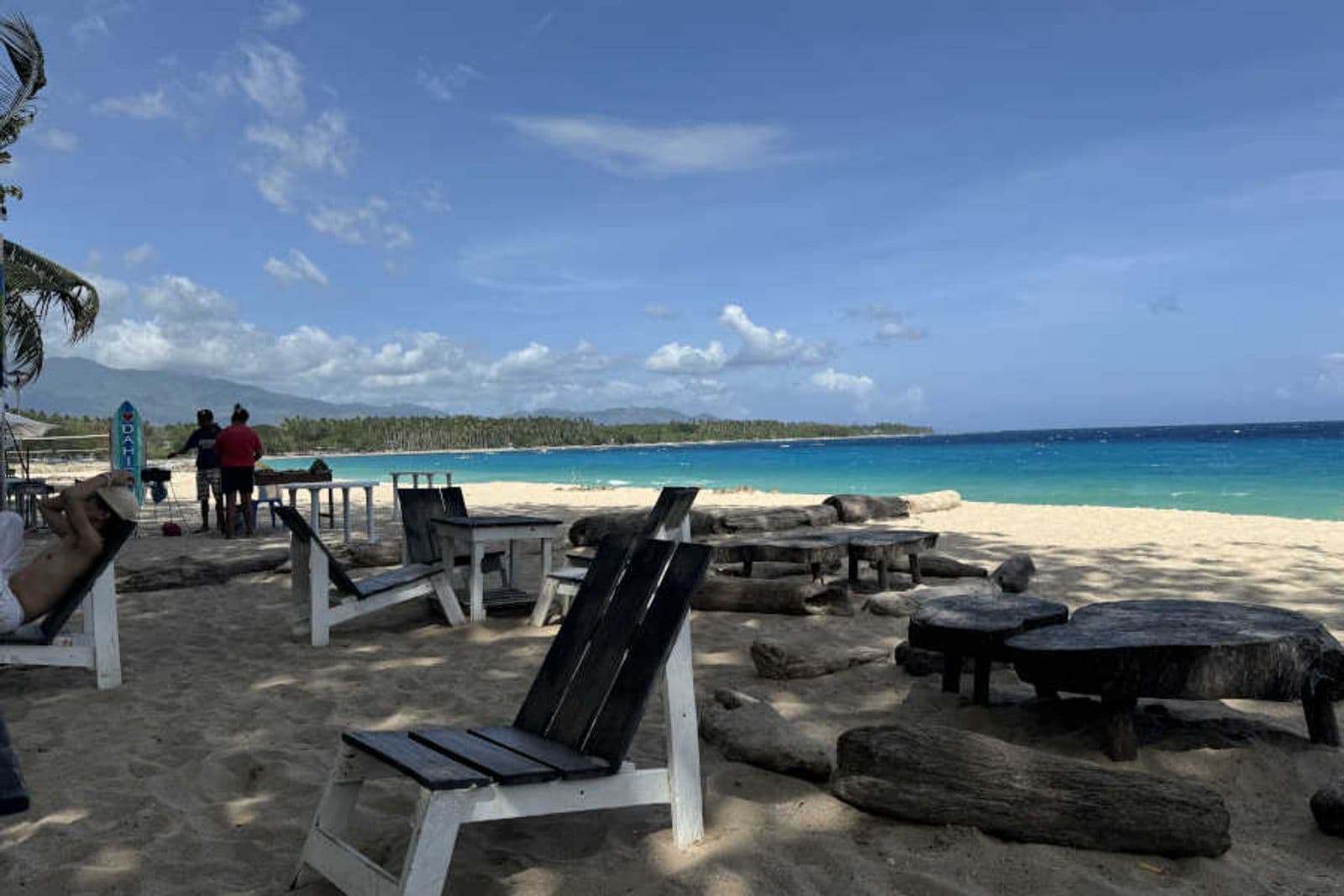
Photo: The Gees Travel (thegeestravel.com)
Where to Stay in Mati FAQ
Is it better to stay at Dahican or in Mati city?
Dahican if you're here for the beach and surf. The city for short stays, easy transport and more places to eat.
How much is a resort at Dahican?
Budget resorts and huts run about ₱1,500 to ₱2,500 a night, and higher-end stays start around ₱3,500. Rates change, so check directly.
Are there ATMs at Dahican?
Don't count on one. Bring cash from Davao or the Mati city centre.
Where Next
Plan your days with our Mati itinerary and see the best Mati tourist spots.
Cover photo: The Gees Travel (thegeestravel.com)