Siquijor's "Mystic Island" Reputation: Healers, Folklore and Safety
Page summary
More Than a Spooky Reputation
Mention Siquijor to most Filipinos and you will hear about witches, love potions and curses. The island has carried that reputation for generations, and it still keeps some people away. Spend a few days here and you find something much more ordinary: a quiet, friendly island where folk healing is part of everyday life, and where the real risks to visitors are on the roads and in the water.
Where the Reputation Comes From
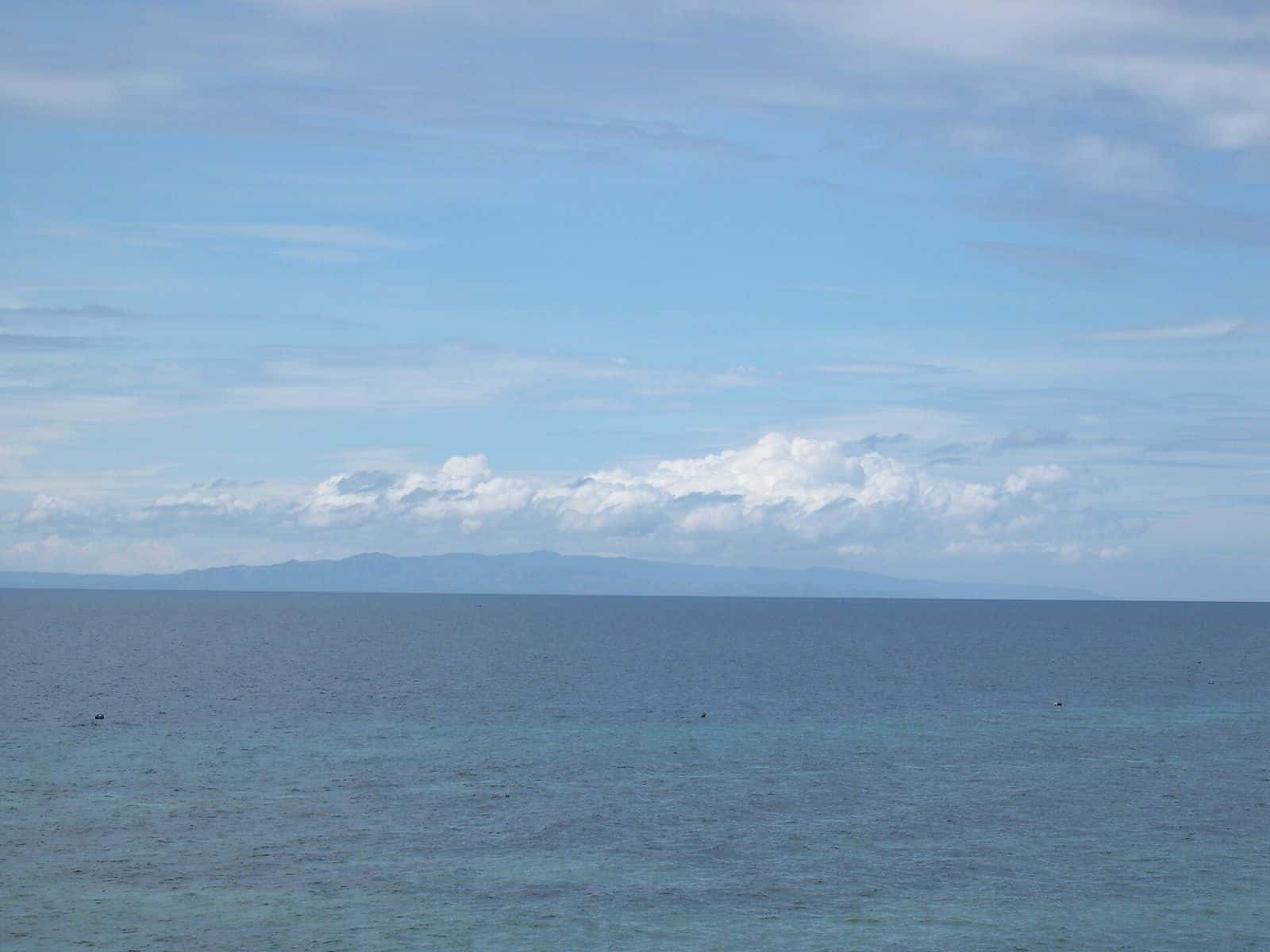
The usual story is that Spanish sailors in the 1500s saw the island glowing at night, lit by swarms of fireflies in the trees, and called it Isla del Fuego, the Island of Fire. Whether or not it happened quite like that, the name stuck, and so did the air of mystery.
The bigger reason is Siquijor's long tradition of folk healers, known as mananambal. They treat ailments with herbs, oils and prayer, and people travel from across the Visayas and Mindanao to see them. Over time, stories about healers turned into stories about sorcery, and the island's image grew from there.
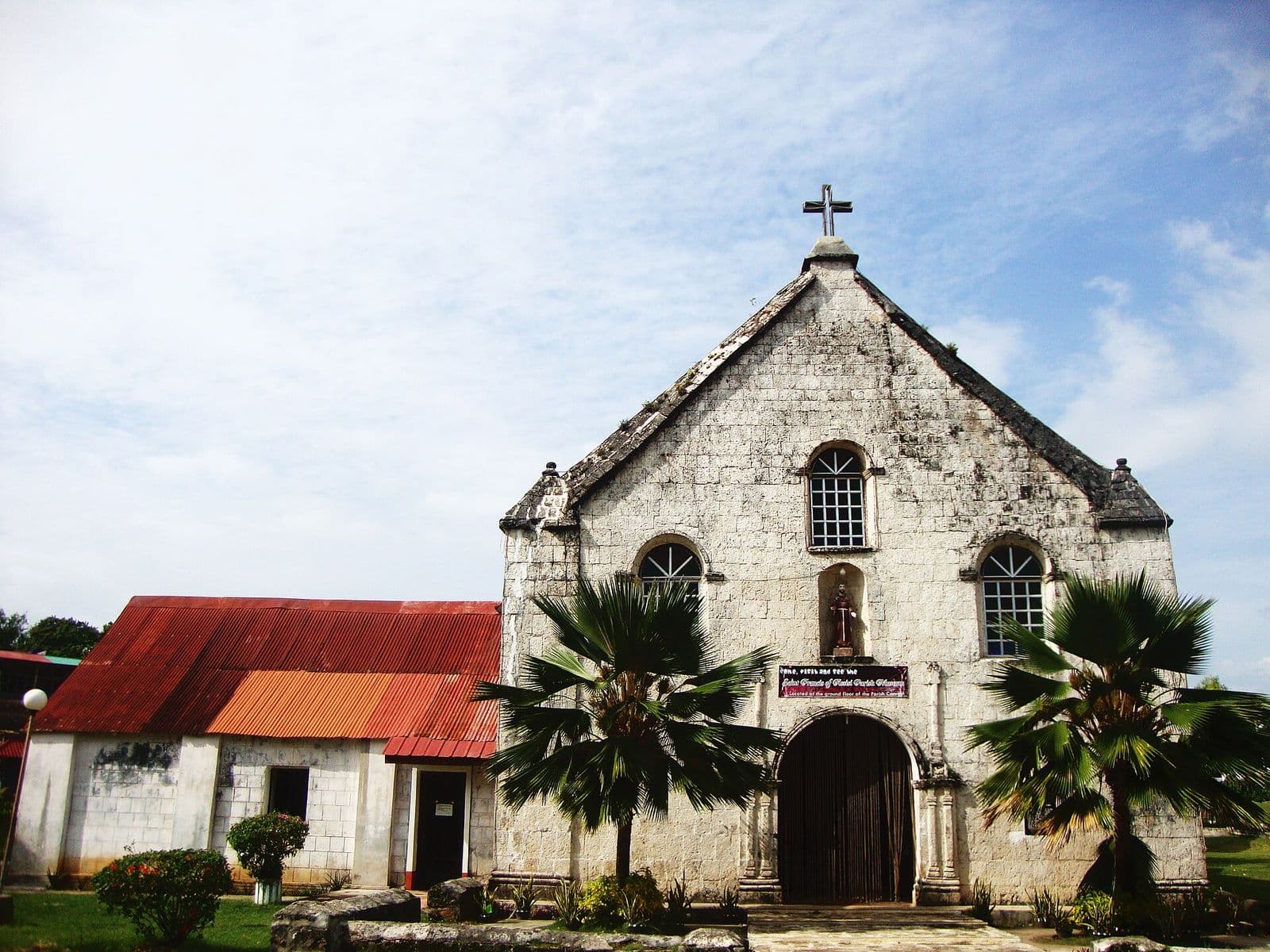
Photo: Claire Bernadette S. Gonzales, CC BY-SA 3.0 via Wikimedia Commons
The Healers Today
Folk healing on Siquijor blends Catholic prayer with a deep knowledge of local plants. Researchers who studied healers on the island recorded more than 200 plant species used in their remedies. People consult healers for illnesses, and for problems they believe were caused by poisoning or hexes.
Many healers don't charge a fixed fee and accept a donation instead. If you visit one, approach it the way you would any other spiritual or medical practice, with respect. And if you are actually unwell, see a doctor as well.
The Healing Festival in Holy Week
The tradition is most visible at the Siquijor Healing Festival, held each Holy Week from Wednesday to Saturday at Mount Bandilaan National Park. Healers gather herbs over the Fridays of Lent, then prepare them during Holy Week. The main ritual, the making of the healing potions, takes place on Black Saturday.
The festival is free and run by the Provincial Tourism Office. The 2026 edition ran from 1 to 4 April, and the 2027 festival is expected from 24 to 27 March, following Holy Week. Confirm with the tourism office closer to the time, and book your room early, because the island fills up that week.
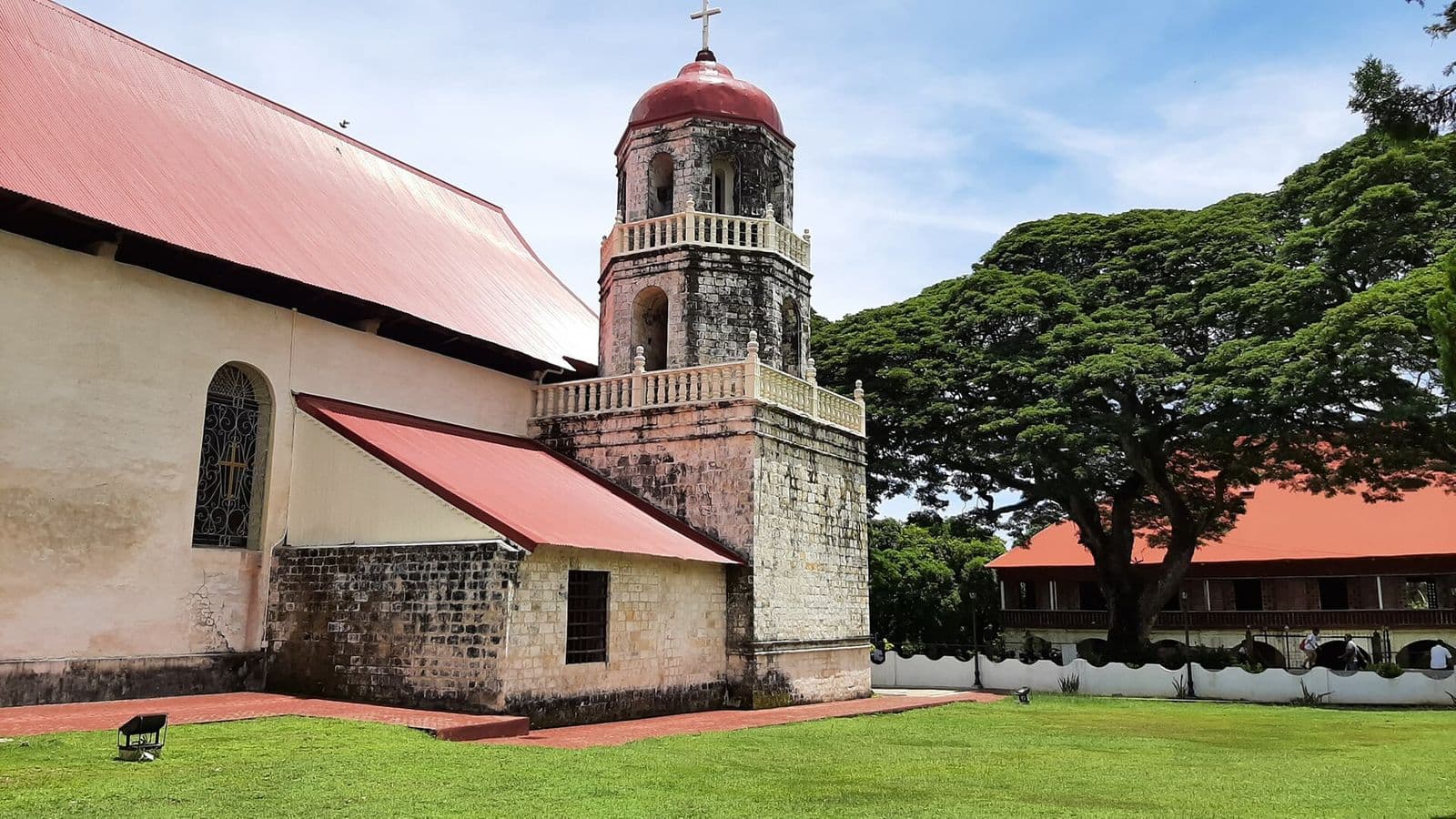
Photo: Djhal107, CC BY-SA 4.0 via Wikimedia Commons
Is Siquijor Safe?
We could not find official crime statistics for visitors, but travellers consistently describe Siquijor as calm and welcoming. More people are coming every year: visitor numbers grew from around 168,000 in 2019 to more than 271,000 in 2025, according to the provincial tourism office.
The real risks are practical ones:
Roads
Scooter accidents are the most common problem. Helmets are required by law, so wear one, ride slowly and avoid unlit roads at night. Most travel insurance won't cover a scooter crash unless you hold a valid motorcycle licence.
Water
Rocks at the waterfalls are slippery and sharp, and some beaches have currents. Wear water shoes, check conditions and swim within your ability.
Sun and heat
Drink plenty of water, use sun protection and take breaks between stops.
Etiquette
Ask before taking photos
Always ask before photographing healers, rituals or people's homes.
Respect private ceremonies
Some rituals are private. If you are not invited, stay back.
Dress modestly in churches
Cover shoulders and knees if you go inside, and keep quiet during Mass.
Do not treat it as a show
Folk healing is part of people's faith and daily life. Come with curiosity and respect, not a hunt for something spooky.
Siquijor Reputation FAQ
Is Siquijor really an island of witches?
No. Siquijor has a strong tradition of folk healers, and the darker stories are mostly folklore.
When is the Siquijor Healing Festival?
During Holy Week each year, from Wednesday to Black Saturday at Mount Bandilaan. The 2026 festival ran from 1 to 4 April.
Is Siquijor safe for tourists?
Siquijor is generally regarded as calm and friendly. The main risks are road accidents, slippery rocks and currents.
Where Next
Plan your visit with the Siquijor travel guide and our 3-day itinerary.
Cover photo: Public domain, via Wikimedia Commons