Siargao Surf Trip Itinerary: 7 Days for Every Level
Page summary
A Week Built Around the Waves
Most Siargao itineraries treat surfing as one activity on a list. This one flips that: seven days shaped around swell, tide, and recovery, with the sightseeing slotted into the gaps the ocean leaves you.
It works for every level because the island does. Beginners get soft waves and patient instructors. Intermediates get the biggest progression playground in the Philippines. Advanced surfers get Cloud 9 and a north coast most visitors never paddle.
Tide matters here more than almost anywhere. Most spots are reef breaks that work on specific tide windows, so a surf week is really a series of two-hour appointments with the ocean. Build the days around them and everything else falls into place.
Before You Arrive
Bring or rent? Rent, unless you're deeply attached to your own boards. Rentals are everywhere, decent, and cheap, and airlines charge properly for board bags. Sort your base first: Catangnan puts you steps from the breaks, General Luna gives you the food and the nightlife. Browse places to stay.
September to November is prime swell. March to August runs smaller and cleaner, which suits learners. The month-by-month guide has the full picture.
Days 1 and 2: Settle In, Read the Reef
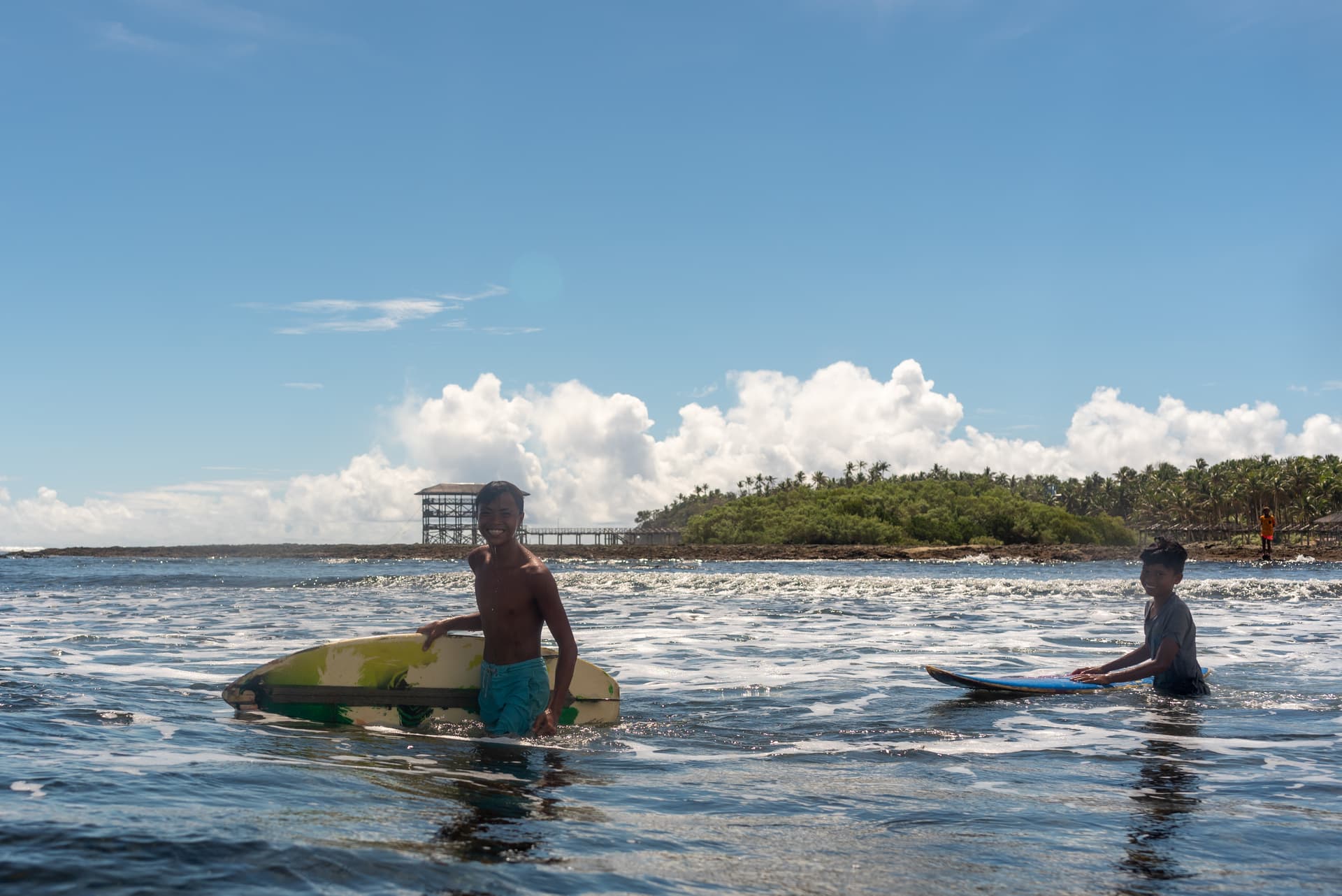
Day one: land, drop bags, rent your board and a motorbike, then walk the Cloud 9 boardwalk at sunset to watch the lineup and learn the rhythm. Ask the surf shop about the week's tides. That conversation will shape your next six days.
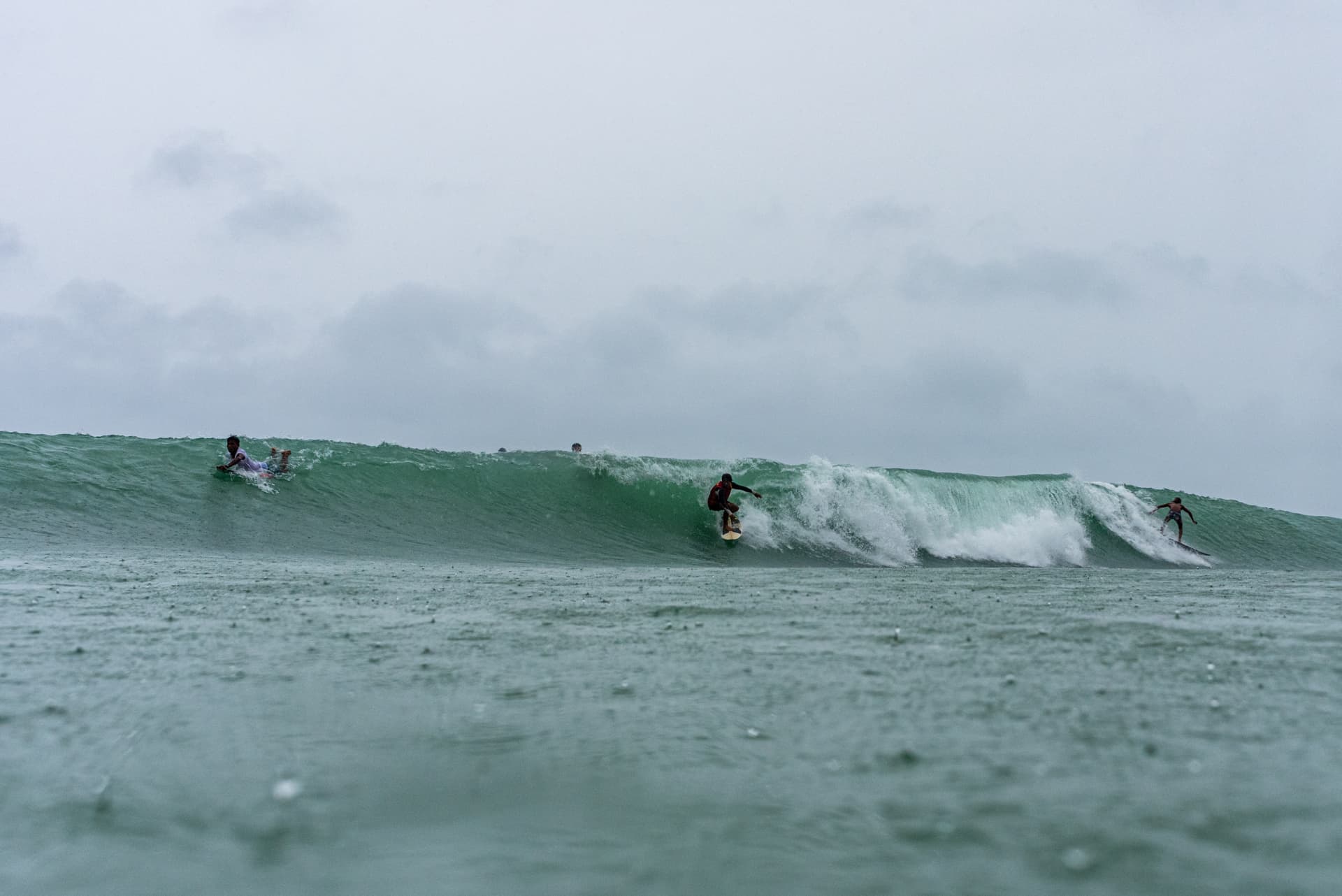
Day two: first session at your level. Beginners book a lesson at Jacking Horse, where instructors push you into soft rollers. Everyone else paddles Quiksilver or Cemetery on the mid tide for a feel of Siargao reef before tackling anything serious.
Days 3 and 4: Range Wide
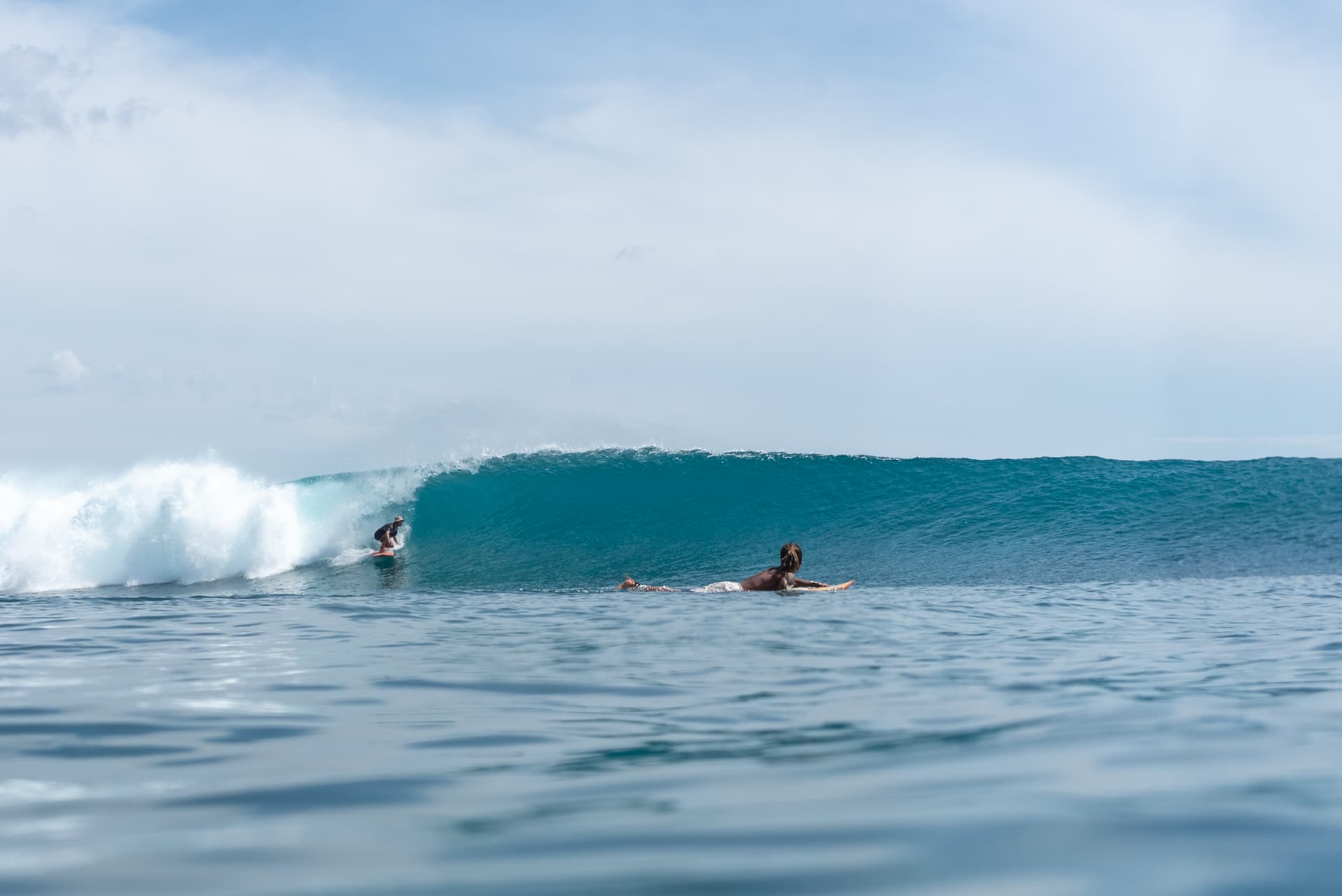
Day three: ride south. Secret Beach near Dapa offers gentle, uncrowded walls that flatter improving surfers, and the Guiwan area rarely sees a crowd. Sessions here are long because nobody is fighting for waves.
Day four: rest the shoulders. This is the day for Sugba Lagoon or the Magpupungko Rock Pools at low tide. Paddling muscles recover while you're still in the water, which counts as active recovery if anyone asks.
Days 5 and 6: The North, Then the Test
Day five: ride to Pacifico, about an hour north. The reefs up here handle swell with a fraction of the crowd, and spots like Pansukyan reward the trip. Confident surfers can push on to Burgos. Fuel up before leaving town.
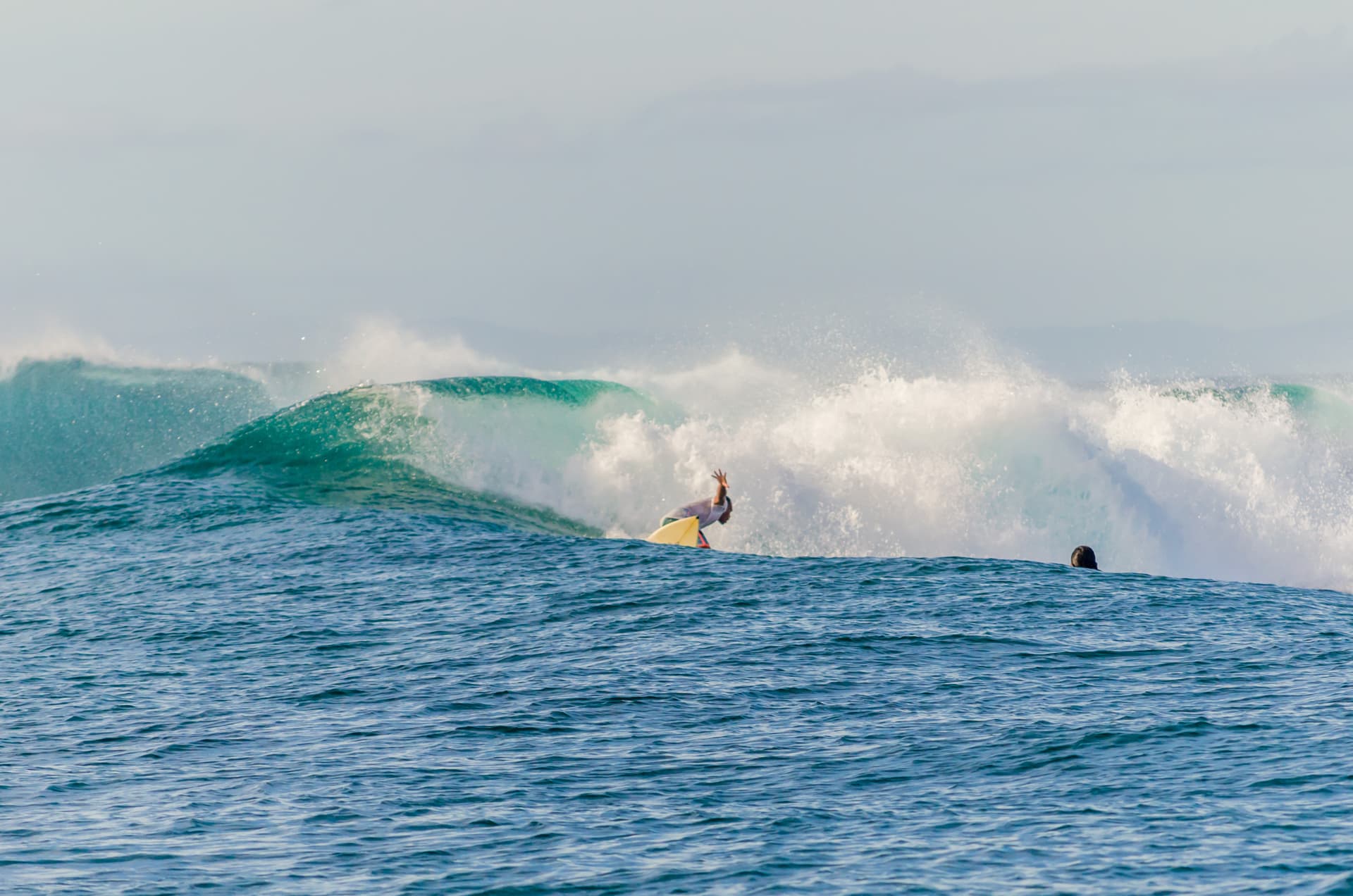
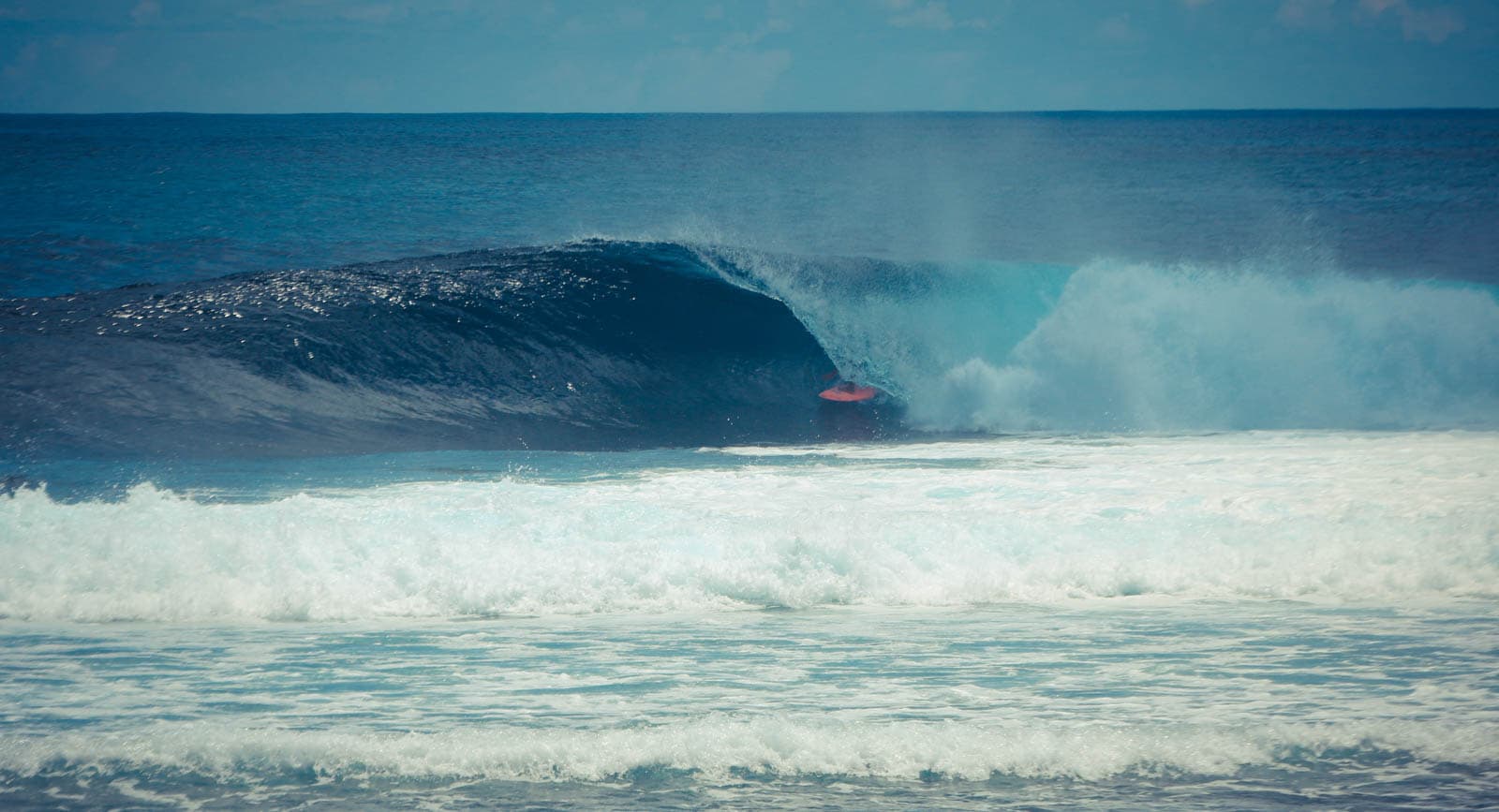
Day six: your benchmark day. If the swell and your skills line up, paddle Cloud 9 on the mid-to-high tide. If they don't, take the tower stairs instead and watch people who've spent years earning that wave. Both are good days.
Day 7: Loose Ends
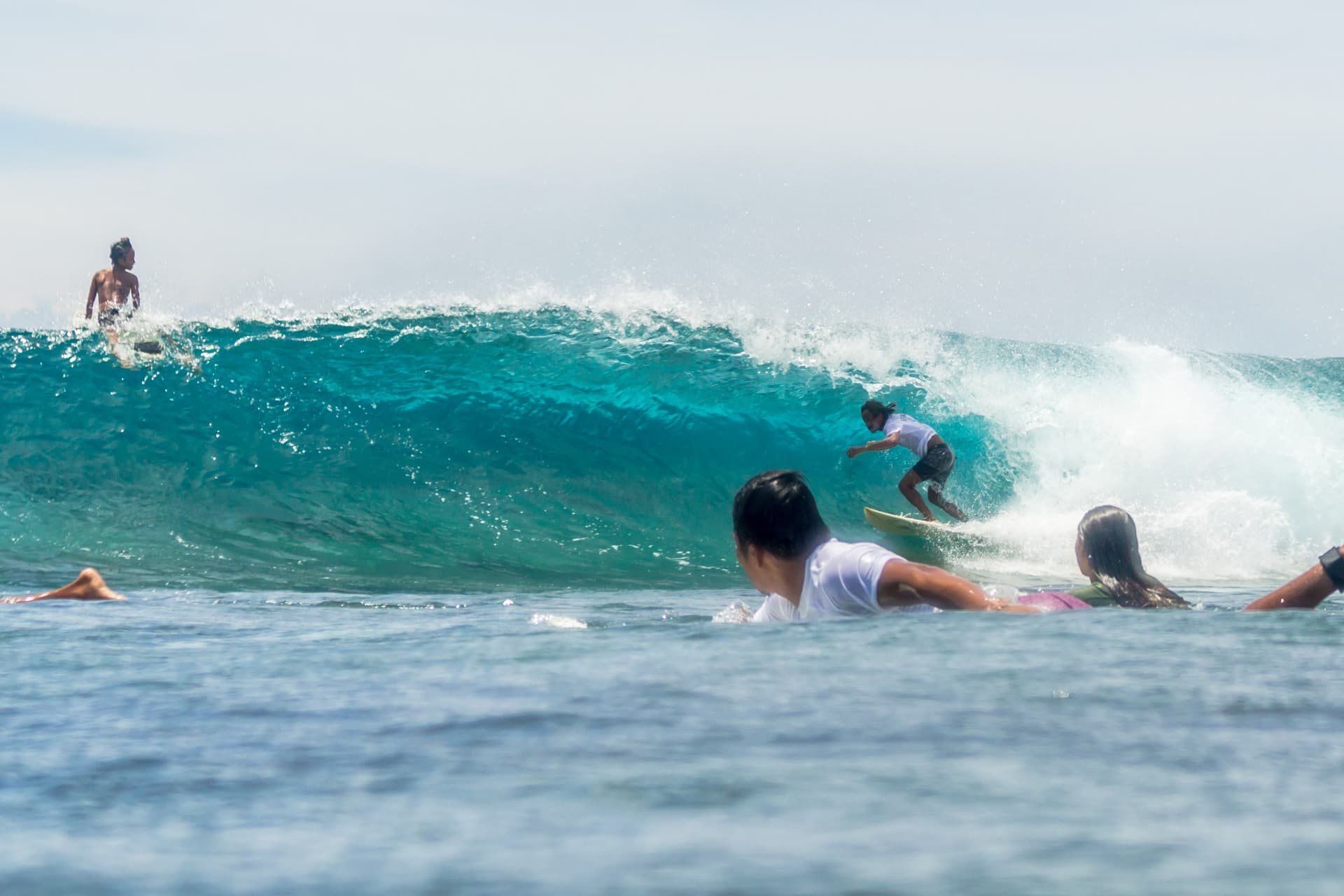
Surf your favourite spot of the week at dawn, eat a long breakfast, and leave a buffer before your flight. Salt-crusted and sore is the correct way to board the plane out.
If the week hooked you, the beginner surf guide maps the progression path, and lessons and board rental are easy to book for a return round.
What a Surf Week Costs
Rough per-person numbers: board rental ₱300 to ₱500 a day, or less by the week. Lessons ₱500 to ₱1,000 each. Motorbike ₱350 to ₱500 a day. Add accommodation and food from the budget guide and a modest surf week lands well under what a comparable trip to Bali runs, mostly because the waves themselves are free.
Surf Week FAQ
Can a complete beginner do this itinerary? Yes. Swap the Cloud 9 day for a third lesson and keep everything else.
What board should I ride? Whatever the shop recommends for your level and the week's swell. Egos pick shortboards; progress picks volume.
Is the reef dangerous? Respect it and it mostly leaves you alone. Booties help, tide awareness helps more, and your instructor's advice helps most.
Do I need travel insurance that covers surfing? Strongly recommended. Check that reef breaks aren't excluded from your policy.