Best Time to Visit Siargao: Month-by-Month Weather & Surf Season
Page summary
There Is No Single Best Time, and That Is Good News
Siargao works year-round, but it changes a lot across the year. The right month depends on one question: are you here to surf, or to swim, laze, and keep costs down? Those two trips want opposite weather.
This guide walks through the seasons, then runs month by month so you can match your trip to what the island is actually doing.
The Two Seasons, Quickly
Siargao has a drier stretch from roughly March to November and a wetter one from December to February. The surf works to its own calendar. Swell starts building in late August and peaks from September into November (although the swell has been arriving later in recent years to be honest!).
So the calmest, clearest water and the biggest waves do not arrive together. You usually pick one.
Best for Surfing
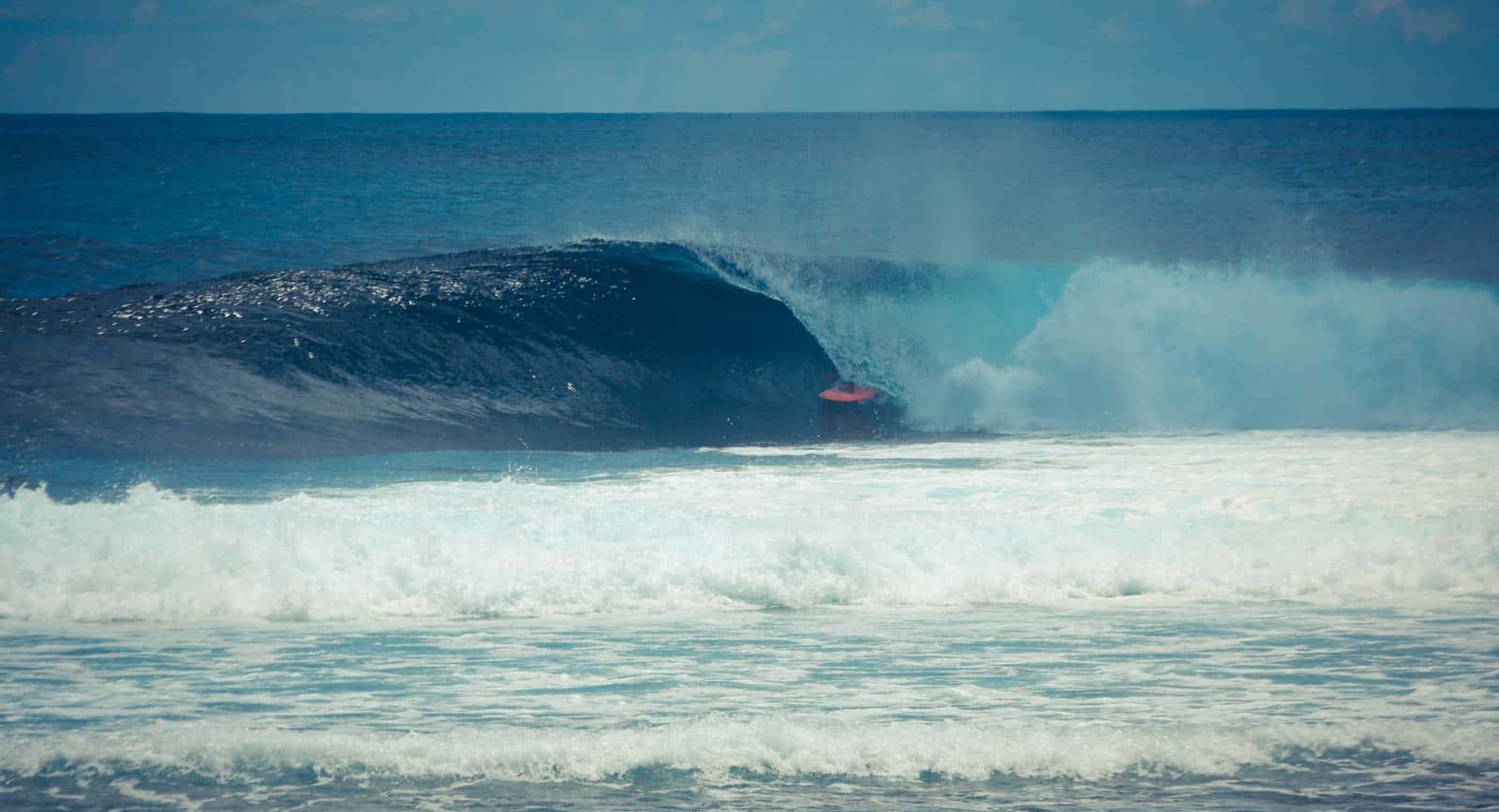
September, October, and November bring the most consistent swell to Cloud 9. If you want size and power, this is the window. The Cloud 9 Surfing Cup lands in late September, which fills the town and pushes prices up.
Newer surfers can have a better time outside the peak, when the waves at the beginner breaks like Secret Beach stay manageable. Bigger is not better when you are still finding your feet.

Best for Calm Water and Swimming
From March to June the seas settle and the islands look their best. This is the time for island hopping, paddling around Sugba Lagoon, and long swims off the calmer beaches.
There is a bonus in these months. The stingless jellyfish at Sohoton Cove are at their fullest roughly March to May, so this is the time to make that trip.
Best for Budget and Fewer Crowds
December to February is the quiet, cheaper season. You trade some sunshine for smaller crowds and easier room rates, with rain that tends to come in bursts rather than all day. The shoulder weeks in early and late dry season are a sweet spot for value with decent weather.
For the numbers behind all this, see our Siargao cost guide.
Siargao Month by Month
January. Tail of the wet season. Expect passing showers, smaller surf, and a quiet island. Good value if you do not mind a grey afternoon.
February. Often drier than January and still calm on crowds. A solid pick for a relaxed, cheaper trip before the heat builds.
March. The dry season opens. Warm days, settling seas, and good conditions for swimming and the islands.
April. Hot and dry. Calm water makes this prime time for lagoons and island hopping, and the Sohoton jellyfish are showing up.
May. Peak dry-season heat, light surf, and the best stretch for the Sohoton jellyfish. Bring sun cover.
June. The first monsoon showers arrive and the surf starts to stir. Still a fine month, with fewer people than the high season.
July. Waves keep building and the typhoon window opens. Keep half an eye on the forecast if you are travelling now.
August. Swell picks up properly toward month's end and the island gets busier. Warm water and growing crowds.
September. Surf season hits its stride, and the Cloud 9 Cup arrives late in the month. Book well ahead and expect higher prices.
October. Prime surf, with regular clean swells. The busiest, priciest stretch alongside late September.
November. Often the biggest waves of the year, with the crowds thinning out toward the end. A great month if you can ride.
December. The wet season returns. Smaller surf, more rain, and a quiet, affordable island to end the year on.
What About Typhoons?
Siargao sits in a typhoon belt, and the risk runs from around July into the late year. Most trips are unaffected, but a storm can cancel flights and boat trips at short notice.
If you travel in those months, build a little slack into your plans, keep an eye on the forecast, and avoid booking tight connections on your way out.
So When Should You Go?
If you came to surf, aim for September through November and accept the crowds. If you want calm water, clear lagoons, and the jellyfish, target April to June. For the best mix of decent weather and lower prices, the shoulder weeks either side of the dry season are hard to beat.

Where Next
Picked your month? Now shape the trip. Our Siargao itinerary lays out 3, 5, and 7-day plans, and the where to stay guide helps you choose a base.
Picked your dates? Browse places to stay and things to do on Koobo.