Siquijor Town
Page summary
Siquijor Town: The Capital and Main Port
Siquijor town is the provincial capital and, for most visitors, the first thing they see of the island. The main ferry port is here, along with the provincial offices, the public market, the banks and the island's busiest row of shops.
Prices, fees and schedules in this guide were checked in October 2026. They change often, so use them as a guide and confirm with the operator or venue before you go.
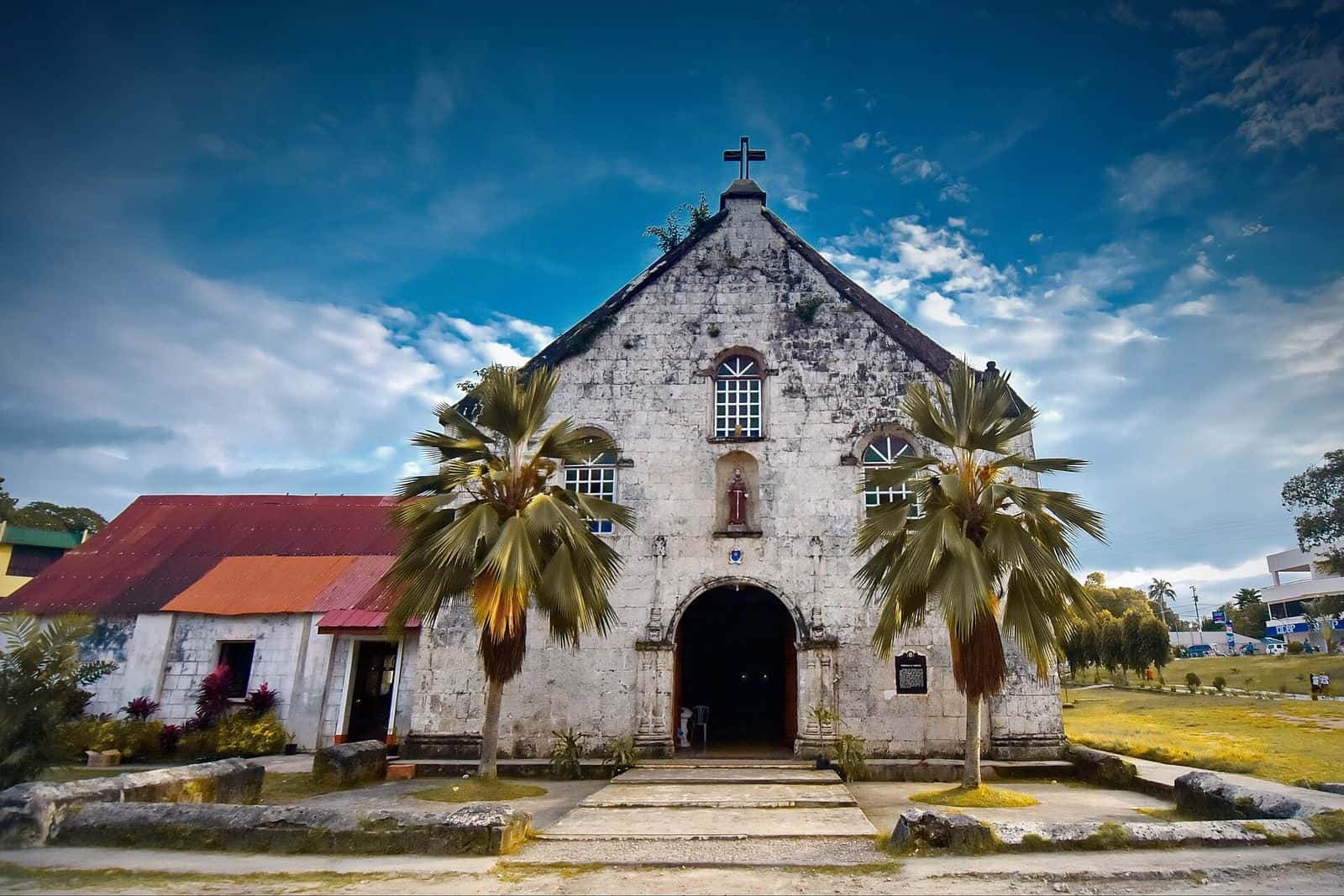
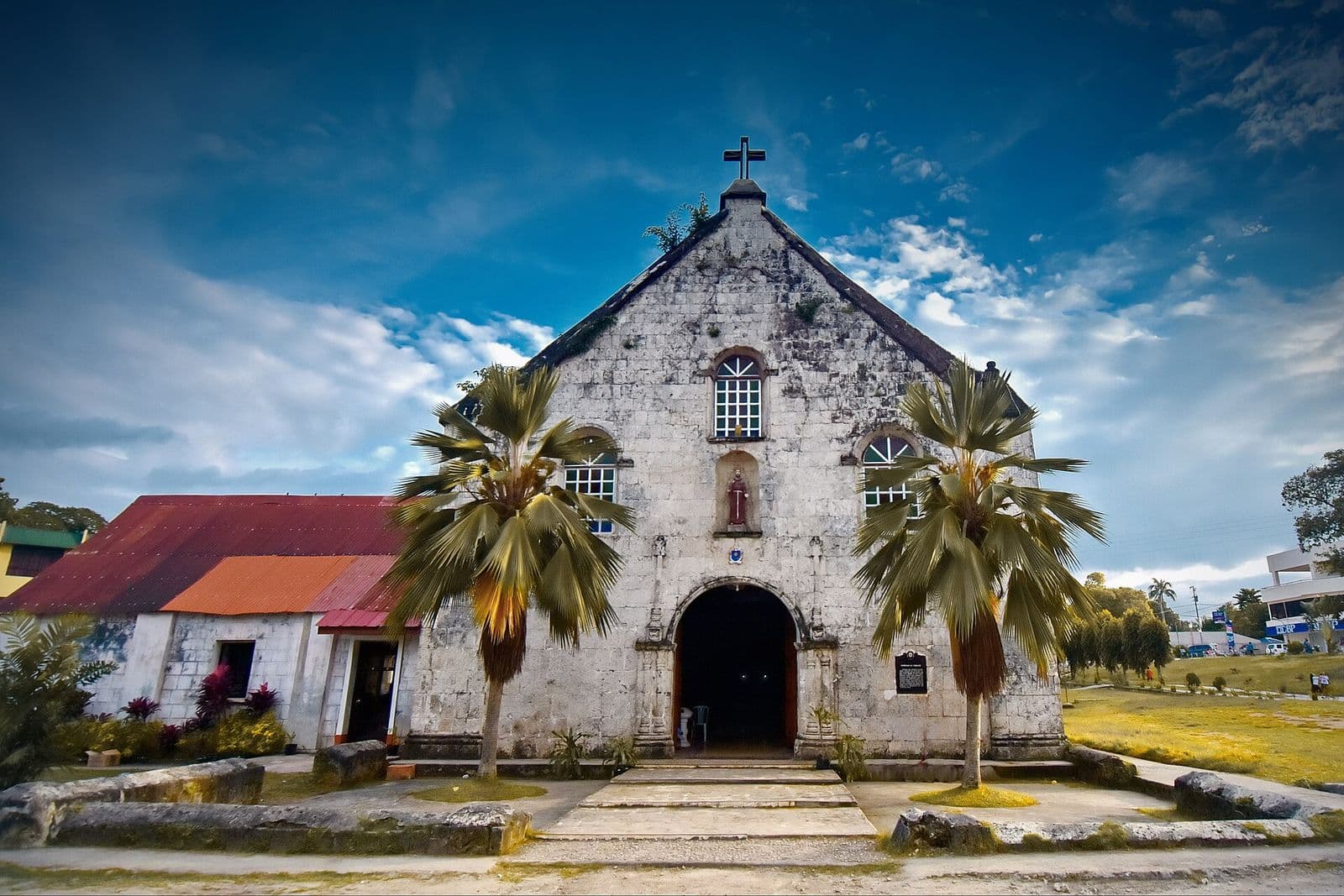
Few people base themselves here for a whole trip, because the better beaches and most restaurants are in San Juan. But it is the right place for a night either side of a boat. The old stone church and its separate bell tower are worth a stop on the way through.
Who Siquijor Town Suits
Stay here if you have an early boat or a late arrival. It also suits anyone with errands to run (market, pharmacy, bank) and people who prefer a working town to a resort strip.
Skip it as a beach base. The shoreline is a working waterfront, not somewhere to lie on the sand, and the evening food choice is thinner than in San Juan.
Getting to Siquijor Town
OceanJet's fast boats from Dumaguete and its services from Tagbilaran and Cebu all land at Siquijor Port, right in town. Scooter rental stands, tricycles and van drivers wait at the port when boats come in. Some other operators land at Larena instead, a short ride east.
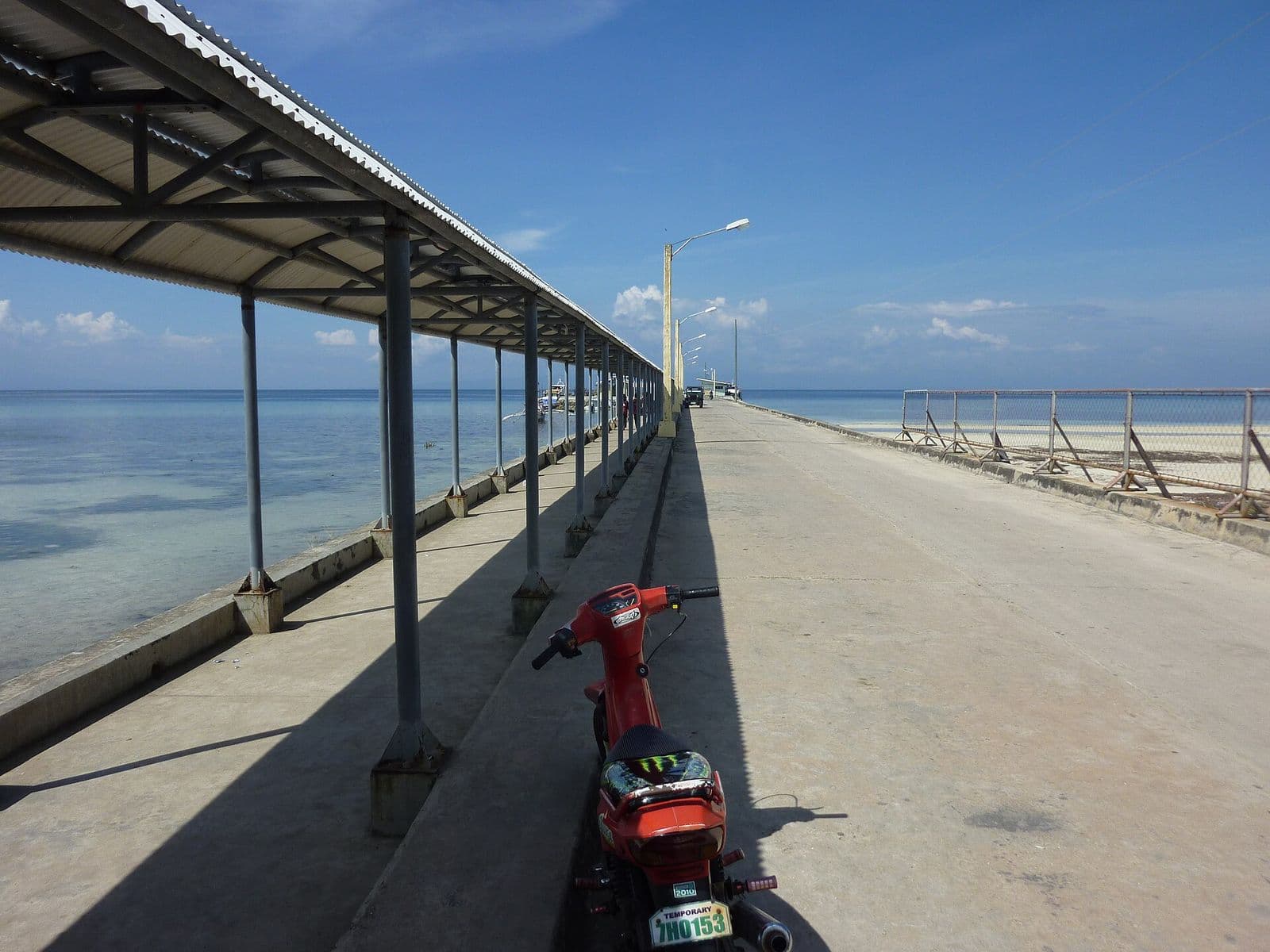
Photo: Starlet, CC BY-SA 3.0 via Wikimedia Commons
Flying in is now an option too. Sunlight Air has flown nonstop from Cebu three times a week since December 2025, and the airport is close to Siquijor town, with tricycles waiting outside.
You pay the ₱50 Tourism Ecological Fee when you leave, at a booth outside the Siquijor Port ticketing building or at the airport departure area. Seniors and students pay ₱40, and kids 6 and under are free. Full ferry and flight details are in the Siquijor travel guide.
Getting Around
Tricycles cover the town and the short rides to San Juan or Larena. A rented scooter gives you the most freedom, at roughly ₱300 to ₱500 a day for a standard automatic. Most rental shops near the port ask for a deposit and want to see a licence, and you need a helmet by law.
Where to Stay in Siquijor Town
There are fewer places to stay than in San Juan. It is mostly small inns, pension houses and a few beachfront resorts along the coast road either side of town. Dalakit House, about 8 minutes from the port, has Starlink. For a single night before an early boat, this is the sensible choice.
Where to Eat
Around the port and the market you will find carinderias doing rice meals, barbecue stalls in the evening and bakeries. For a proper sit-down dinner, most people ride to San Juan. Small places change often, so check recent reviews and hours before going out of your way.
Things to Do in Siquijor Town
St. Francis of Assisi Church
The town's coral-stone parish church dates from the Spanish colonial period. Its founding date is given as anywhere from the 1770s to the 1790s, with the stone building finished in the early 1800s. It is still a working church, so Sunday mornings are busy with Mass.
The bell tower
The belfry stands apart from the church, on a rise across the plaza. Historians think it doubled as a lookout. It is one of the more unusual church layouts in the Visayas, and the plaza gives you the best photo of it.
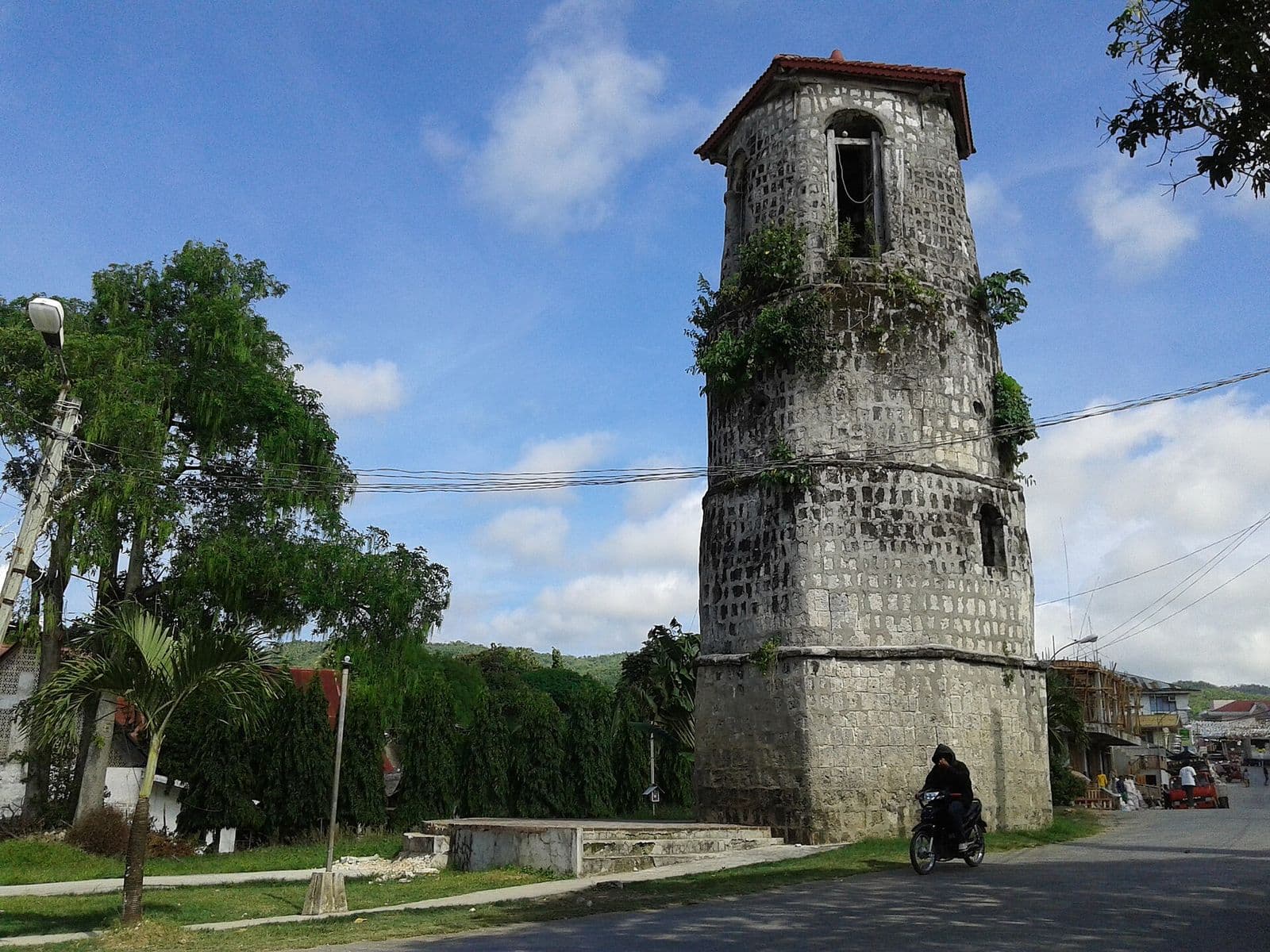
Photo: Lawrence Ruiz, CC BY-SA 4.0 via Wikimedia Commons
Guiwanon Spring Park
Between Siquijor town and Larena, a short boardwalk runs through mangroves where a freshwater spring meets the sea. Entry has been about ₱10 and the walk takes 5 to 10 minutes. Some of the facilities are run-down, and it is far better at high tide, when the channels fill.
The Sunday market
Siquijor town's Sunday market is the biggest on the island. If you are in town on a Sunday, it is worth a wander.
The waterfront
The covered pier and the shore beside the port are where locals walk in the late afternoon. It is a good place to wait for a boat.
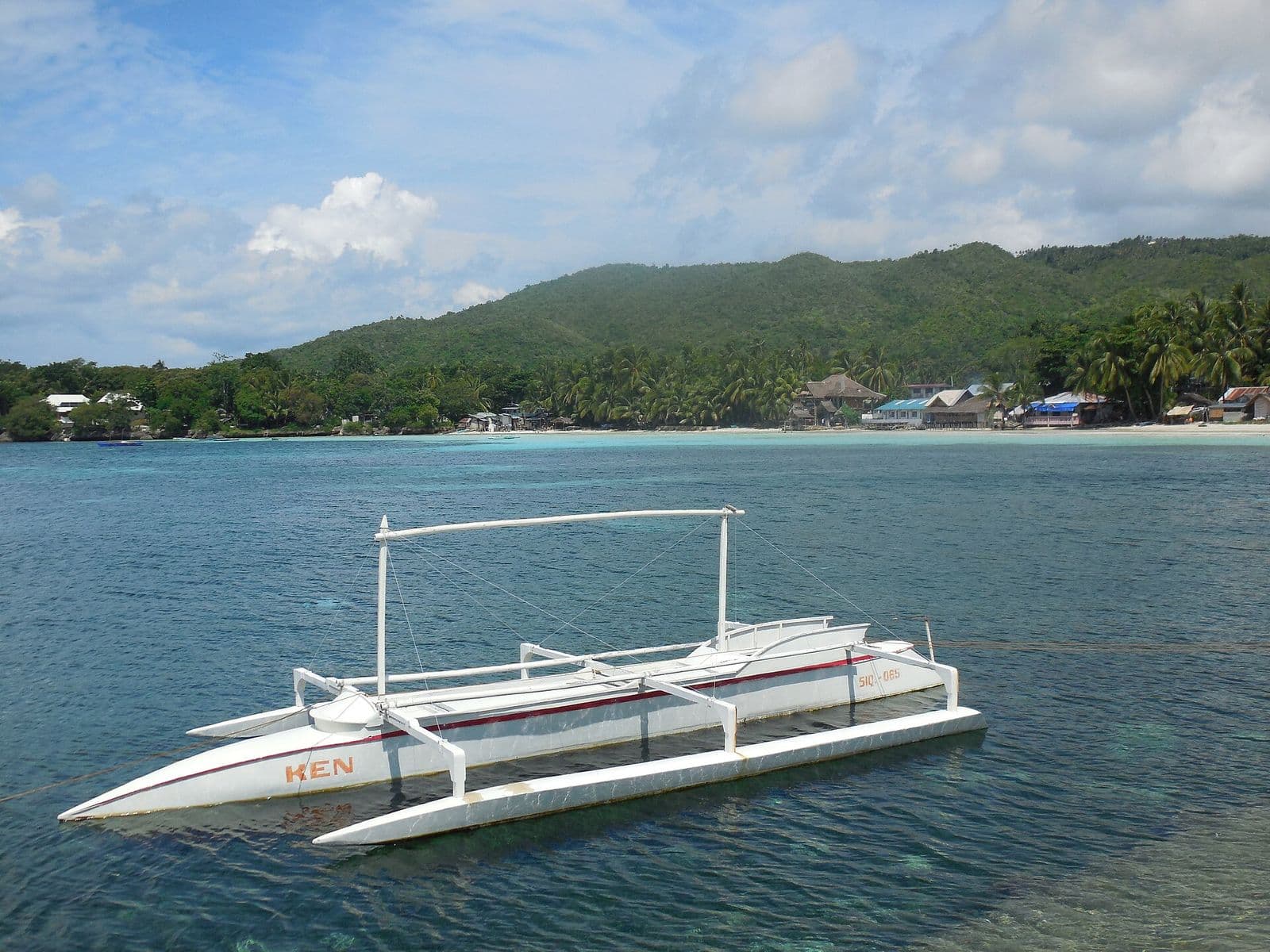
Photo: Lawrence Ruiz, CC BY-SA 4.0 via Wikimedia Commons
Holy Week in San Antonio
Barangay San Antonio, in the hills of Siquijor municipality, is traditionally where folk healers gather in Holy Week to prepare herbal remedies. The island's free Healing Festival runs at the same time at Mt Bandilaan National Park. Go respectfully and ask before taking photos, and read the Siquijor travel guide for more on the healing tradition.
Dilaab Festival
The town fiesta on 3 and 4 October is the biggest on the island. Expect an evening dance on the basketball court, road closures and plenty of noise, so plan your rides around it.
Best Time to Visit
The dry season, roughly November to May, brings calm crossings and fewer cancelled boats. Outside it, storms can disrupt schedules, and as the main port Siquijor town feels it first. Typhoons in late October and early November 2025 stopped boats for days.
Check ferry status before leaving your room on travel days. There are no boats on 25 December, 1 January or Good Friday, and in 2026 OceanJet has cut early trips during fuel shortages, so check the day's schedule.
Practical Tips
Errands before you head south
There are ATMs, a pharmacy and the market here, so sort everything out before you ride to the quieter parts of the island. Foreign cards pay about ₱250 to ₱300 per withdrawal.
Church etiquette
Dress modestly if you go inside the church. Don't wander around during Mass.
Port timing
Arrive about an hour before departure with your passport or ID, since OceanJet tickets are issued in your name. Buy at the counter to skip the online booking fee, and keep small notes for the departure fee.
Siquijor Town FAQ
Is Siquijor town worth staying in?
For a night next to the port, yes. For a longer stay, San Juan is the better base for beaches and food.
How far is Siquijor town from San Juan?
Roughly a 20 to 30 minute ride south along the coast road.
Where do I pay the departure fee?
At the booth outside the Siquijor Port ticketing building before you board, or at the airport departure area if you fly.
What is there to see in Siquijor town?
The St. Francis of Assisi Church and its detached bell tower, the Sunday market, the waterfront, and Guiwanon Spring Park on the way to Larena.
Explore Nearby
Back to the Siquijor travel guide. Nearby: San Juan to the south and Larena to the east.