Luna, La Union Travel Guide – Baluarte Watchtower, Pebble Beaches & Darigayos Cove
Page summary
Luna: La Union's Pebble Coast
Luna is where La Union goes quiet. This coastal town in the north of the province is known as the pebble capital of the north, and its beaches are covered in smooth, rounded stones instead of sand. The first thing you notice is the sound of the waves dragging them back and forth.
Prices, fees and schedules in this guide were checked in October 2026. They change often, so use them as a guide and confirm with the operator or venue before you go.
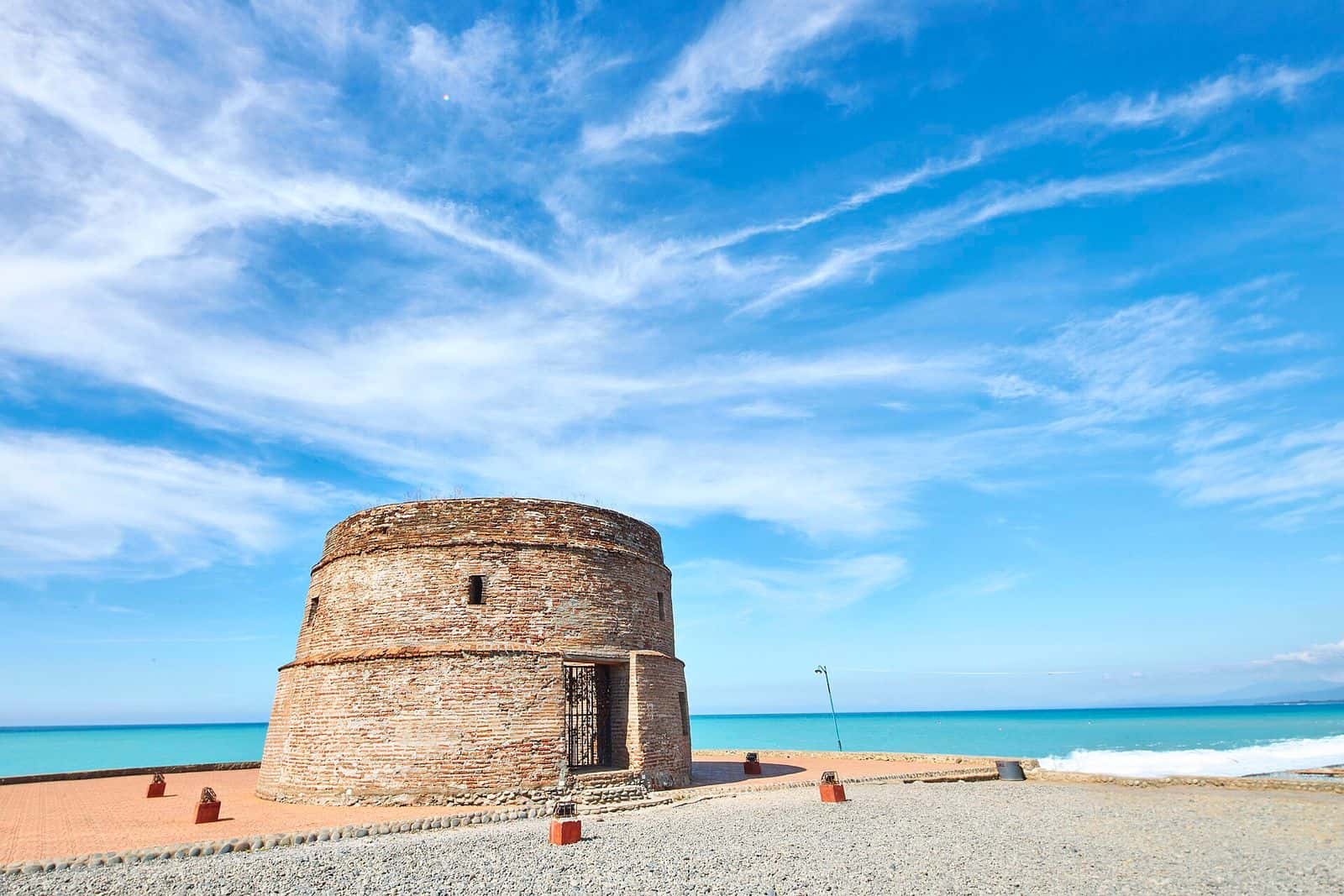
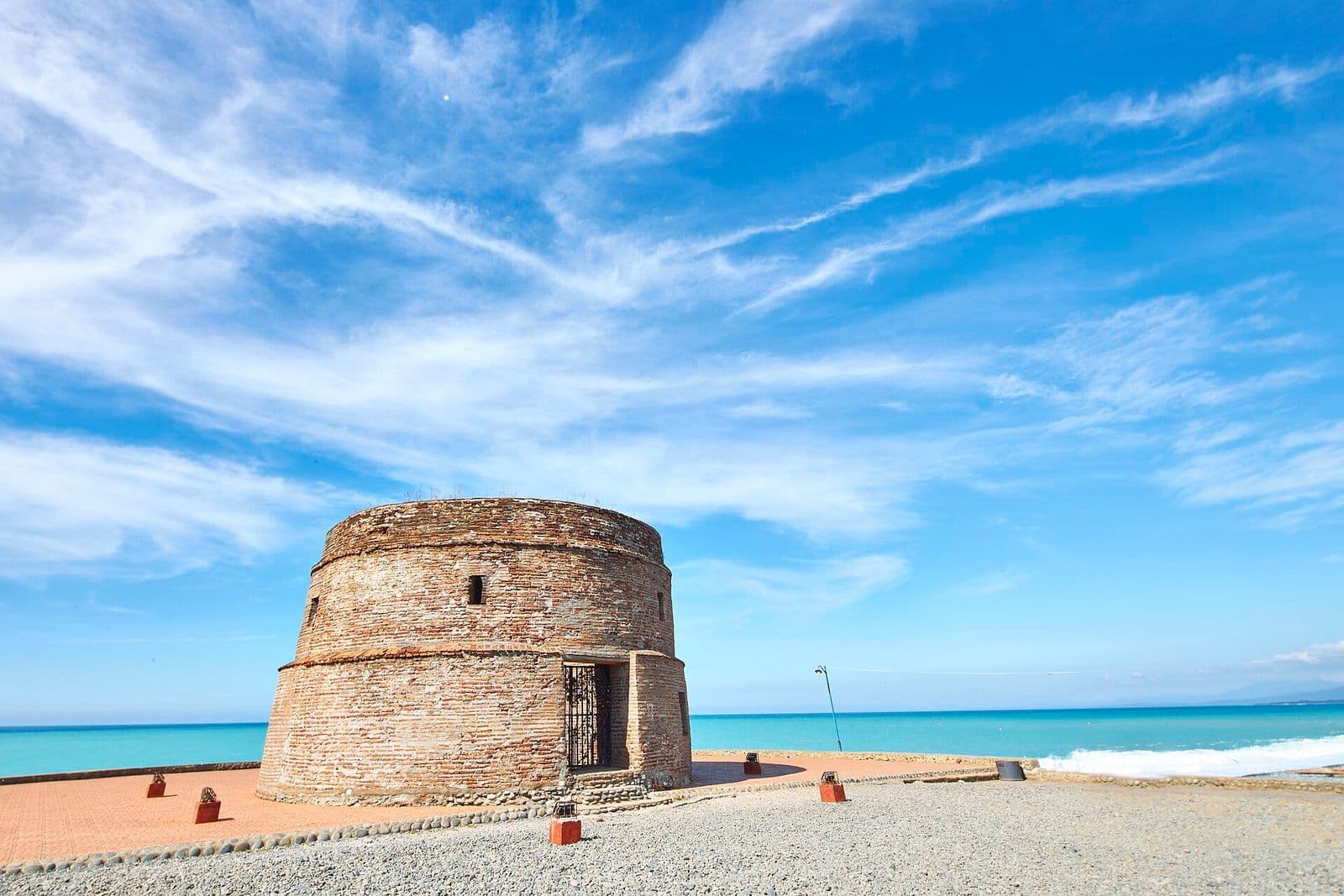
The landmark is the Baluarte, a Spanish-era watchtower standing on the pebble beach in Barangay Victoria. Add Namacpacan Church, a National Cultural Treasure, and a swim in the clear water of Darigayos Cove, and you have a full day trip from San Juan. Some people stay on for the quiet.
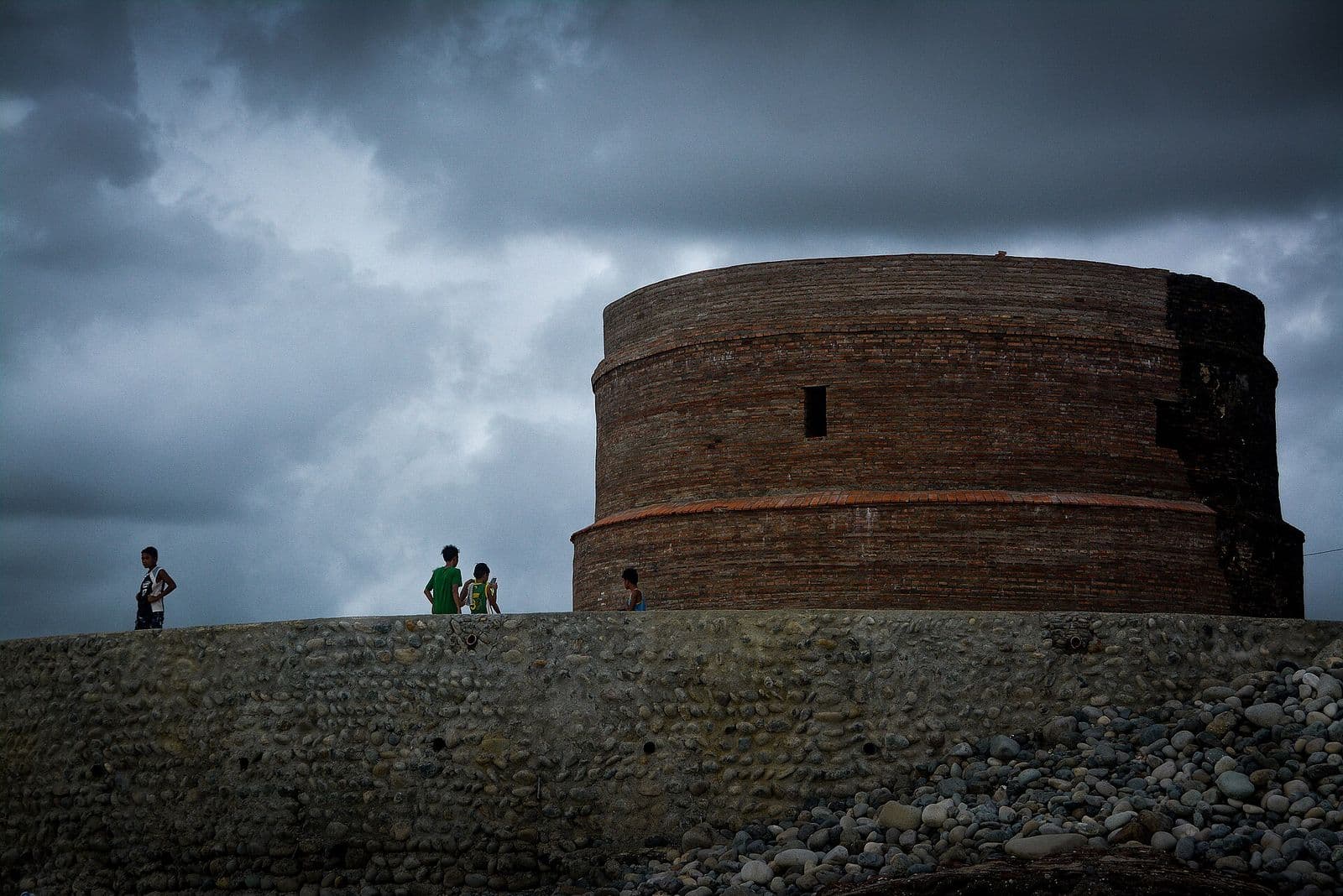
Photo: Emman Foronda, CC BY-SA 4.0 via Wikimedia Commons
There's little nightlife and far fewer places to eat than in the south. For most visitors, that's the point.
Who Should Visit Luna
Luna is for people who want La Union without the weekend noise. Photographers love the watchtower at the end of the day, heritage fans get a Spanish-era watchtower and a National Cultural Treasure, and it pairs neatly with a trip to Immuki Island in neighbouring Balaoan.
Don't come expecting a swimming beach in town. The pebble shore at the watchtower and Nalvo has strong waves and drops off steeply. Save your swim for Darigayos Cove.
How to Get to Luna
From San Juan or San Fernando
Jeepneys run north along the national highway to Luna, including direct ones from San Fernando. From San Juan, flag down one bound for Luna. To see several spots in a day, a tricycle or private car is far easier.
From Manila
Take a bus towards the Ilocos region and ask the conductor to drop you at Luna. You can also come via San Fernando or San Juan.
Getting Around Luna
The sights are spread between the town centre, Barangay Victoria and Darigayos, so you'll need wheels. Hire one tricycle for a few hours and agree the stops and price before you set off.
Where to Stay in Luna
Luna has a handful of small beach resorts and homestays, set up for a quiet couple of nights in the north. Most visitors come for the day from San Juan and head back for dinner.
Where to Eat in Luna
Food is simple and local: small eateries in the town centre and roadside stalls. If you're spending the day between the watchtower and Darigayos, bring water and snacks.
Things to Do in Luna
The Baluarte watchtower
A round brick watchtower from the Spanish colonial era, built to spot raiders coming in from the sea. Half of it collapsed in a typhoon in 2015 and was later restored, which is why one side is new brick and the other is original. It stands right on the pebble beach and is free to see.
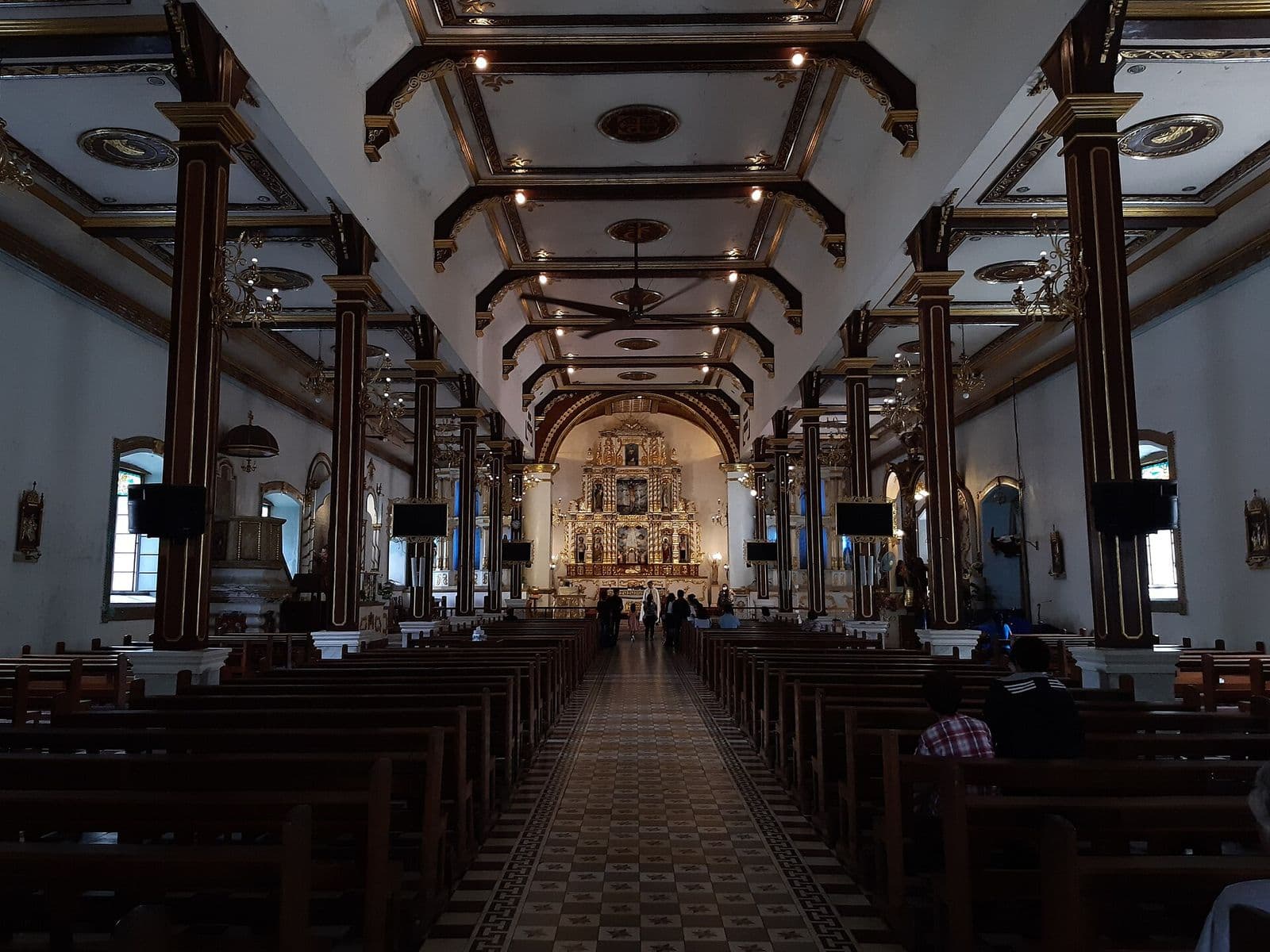
Photo: EyeTrick, CC BY 4.0 via Wikimedia Commons
The pebble beaches
The shore around the watchtower and at Nalvo is all smooth stone. Walk it, photograph it, listen to it, but don't swim here.
Namacpacan Church
The St Catherine of Alexandria Parish Church goes by Namacpacan Church locally, after the shrine of Our Lady of Namacpacan inside. It has been declared a National Cultural Treasure, and it's worth the stop even if churches aren't usually your thing.
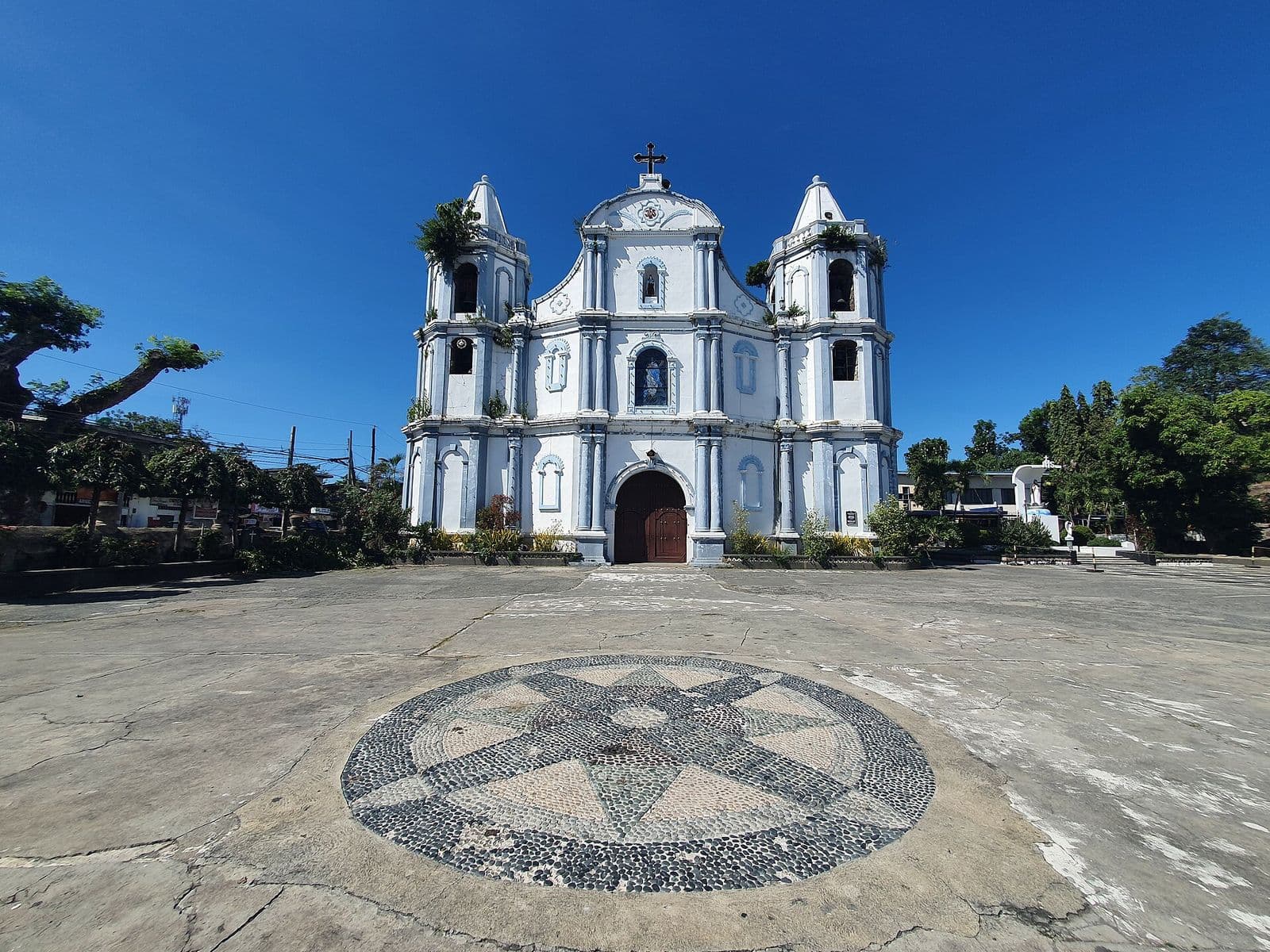
Photo: Tftavares0126, CC BY-SA 4.0 via Wikimedia Commons
Darigayos Cove
A sheltered inlet with clear, calm water, more swimmable than most La Union beaches and good for snorkelling. Go at low tide. There's also a surf break called Darigayos nearby; ask the surf shops in San Juan whether it's working before you go.
Kamay na Bato
Luna's Bahay na Bato, a house built of stone, used to be open to visitors. These days only the Kamay na Bato open-air art section is open to the public, so check before you make the trip.
Best Time to Visit Luna
Go in the dry season, roughly November to May, for clear skies at the watchtower and calm water at Darigayos. Time your visit for late afternoon, when the light hits the tower and the sun drops into the sea.
The rainy season, roughly June to October, brings big waves crashing onto the pebbles. Great for photos, rough for everything else, and swimming at Darigayos gets less reliable.
Practical Tips for Luna
Leave the pebbles
Luna's beaches are being stripped by erosion and illegal extraction. Collection is regulated and a moratorium has been recommended. Take photos, not stones, and don't buy them from sellers on the beach.
Swim at Darigayos, not the watchtower
The pebble beaches have strong waves and a steep drop. Darigayos is the safe bet.
Bring cash
Luna is much smaller than San Juan or San Fernando. Carry enough cash for tricycles and food, and more if you're carrying on to Immuki, where there are no ATMs nearby.
Luna FAQ
What is Luna, La Union known for?
Its pebble beaches, the Spanish-era Baluarte watchtower, Namacpacan Church and Darigayos Cove.
Can you swim at Luna's pebble beach?
No. The waves are strong and the shore is steep. Darigayos Cove is the place to swim.
Can you take pebbles from Luna?
You shouldn't. The beaches are being depleted and collection is regulated.
How far is Luna from San Juan?
Luna is north of San Juan along the national highway, reachable by jeepney, tricycle or car. It makes a good day trip combined with Immuki Island, which is in Barangay Paraoir in Balaoan, not in Luna itself.
Explore Nearby
Immuki Island is in Balaoan, close enough to pair with Luna in one day. Register at the barangay hall in Paraoir, wear aqua shoes for the sharp rock, and check the tide: you can walk across at low tide, but need a raft at high tide.
Bacnotan is on the way back south. For surf and places to stay, see San Juan, and for the whole province, the La Union travel guide.