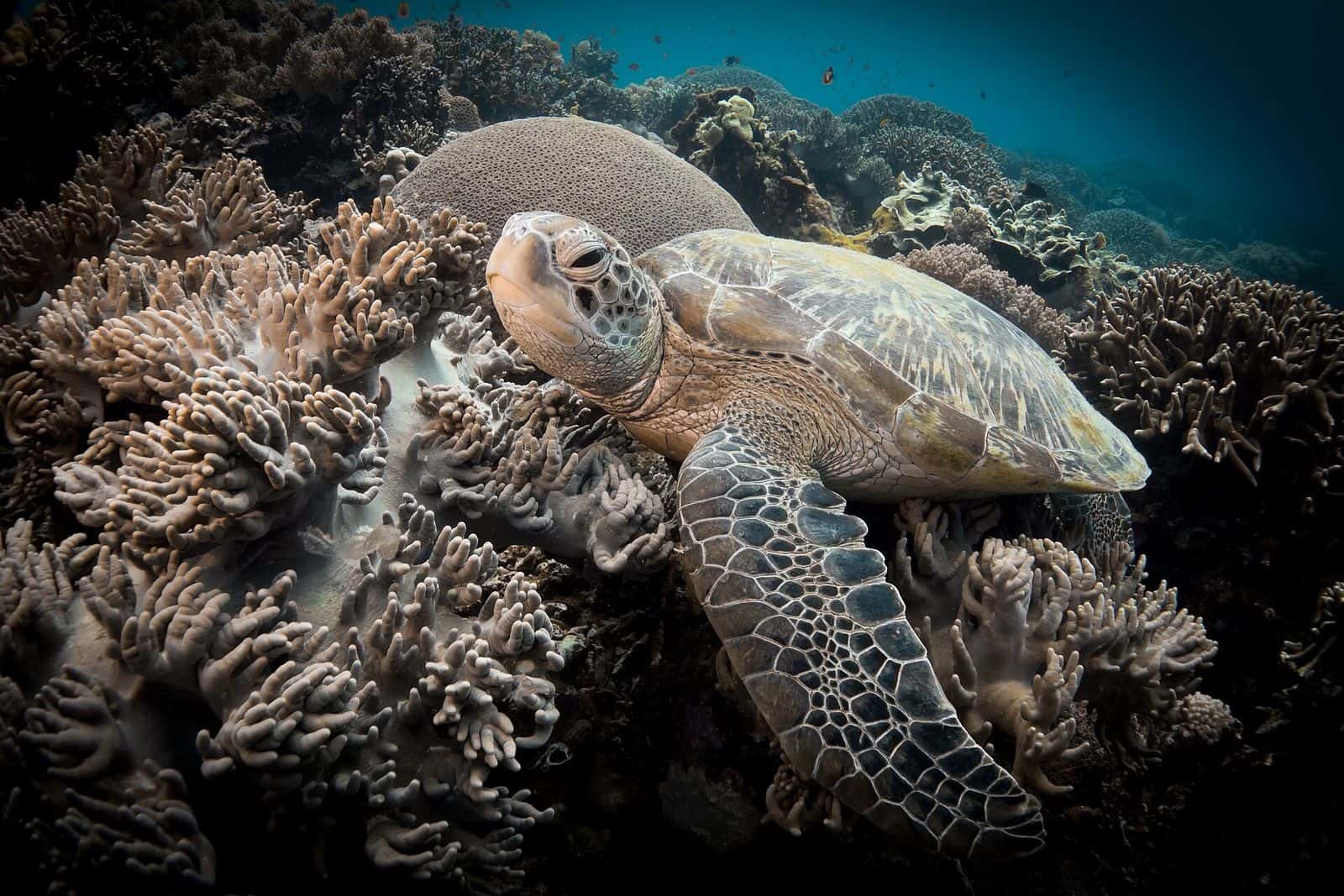
Apo Island from Siquijor: Day Trips, Prices and Rules
Page summary
Swimming with Turtles at Apo Island
Apo Island is a small volcanic island off the south-east coast of Negros, and the reason most people go is the green sea turtles feeding in the shallows. It has been a protected landscape and seascape since 1994, managed together with the local community. From Siquijor, it is the most popular day trip by a distance.
Prices, fares and schedules in this post were checked in October 2026. They change often, especially with fuel surcharges and the seasons, so use them as a guide and confirm with the operator or venue before you travel.
Apo belongs to Negros Oriental, not Siquijor. You either take a boat trip straight across from Siquijor or make your own way via Dumaguete.
Option 1: A Tour from Siquijor
Several resorts and dive shops in San Juan run Apo Island trips, for snorkellers and divers. The best known is Coco Grove: its boats leave Casa Coco at 8am for Tambisan Port and are back around 5pm. Trips usually include the boat, lunch, gear and marine fees, but check what is covered when you book.
The catch is numbers. Coco Grove needs at least 15 people before a trip runs, mostly in high season from November to May, and it quotes prices on request. Prices you see on blogs are often out of date, so ask your resort or dive shop for a current quote a day or two ahead, and expect diving trips to cost more than snorkelling.
Boat time
Around an hour each way, depending on the sea.
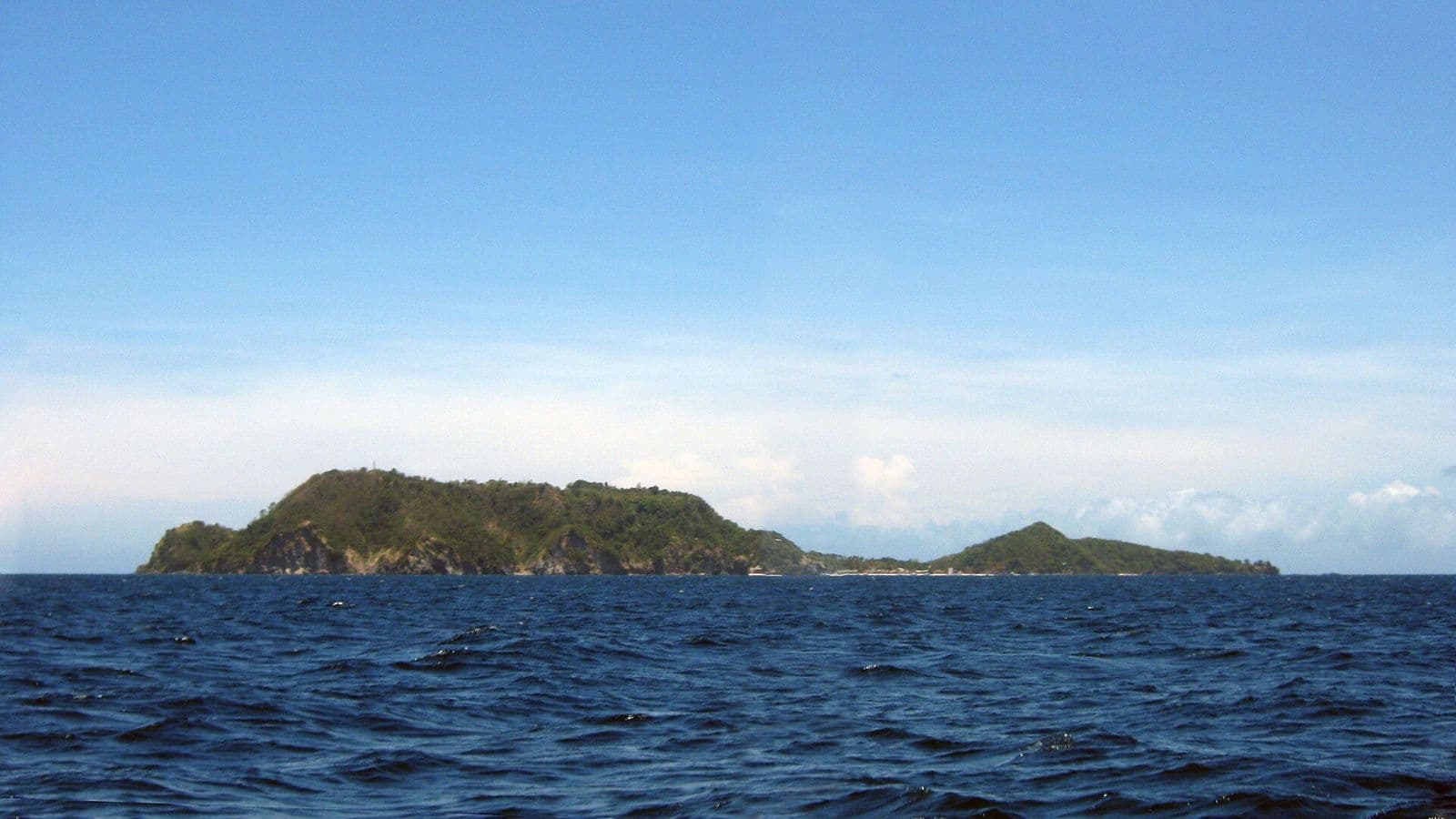
Photo: Mike Gonzalez (TheCoffee), CC BY-SA 3.0 via Wikimedia Commons
Option 2: Do It Yourself via Dumaguete
Take a ferry from Siquijor to Dumaguete, then a bus south to Malatapay in Zamboanguita. From Malatapay, boats cross to Apo Island in around 40 minutes.
Budget about ₱420 for the OceanJet tourist-class ferry, around ₱50 for the bus and about ₱300 per person on a shared boat, plus the island fees. It is cheaper than a tour, but it eats most of a day and relies on ferry and boat schedules lining up. It works best if you stay a night in Dumaguete or on Apo itself.
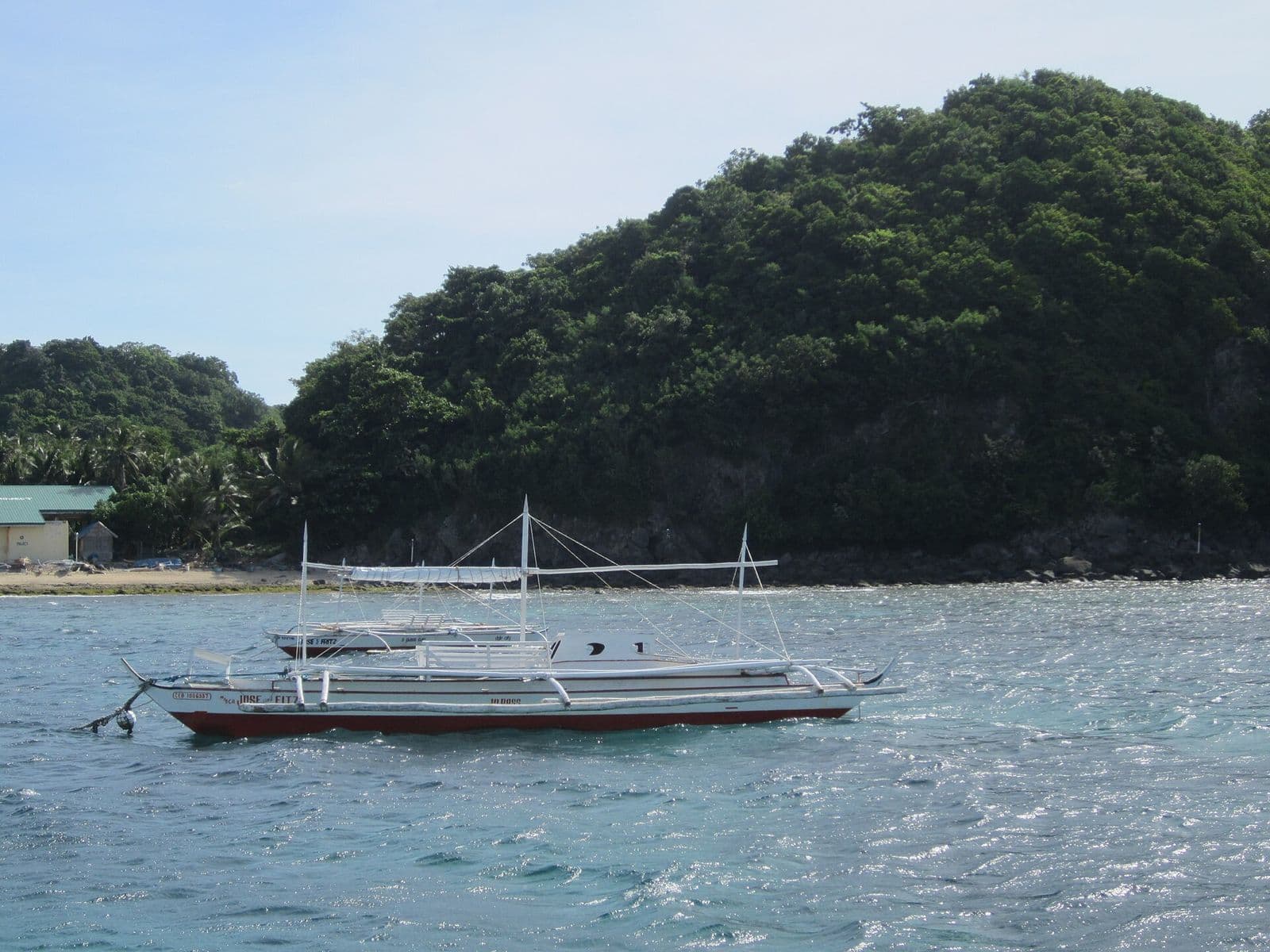
Photo: CariolaMinze, CC BY-SA 4.0 via Wikimedia Commons
Fees on Apo Island
Apo charges visitor fees that pay for protecting the reef. A May 2026 report put them at ₱100 entrance plus ₱200 for a full day of diving, with separate fees for snorkelling and the turtle area. The fees are under review and a big rise for divers has been proposed, so expect changes. Tours from Siquijor usually fold these into the price.
Rules and Etiquette
Use a guide in the turtle area
A local guide is required to snorkel with the turtles.
Do not touch the turtles
Keep a respectful distance. Don't chase them, don't try to ride them, and never feed them.
Protect the reef
Don't stand on coral, and stay outside the buoyed sanctuary areas unless your guide says otherwise. Wear reef-safe sunscreen or, better, a rash guard.
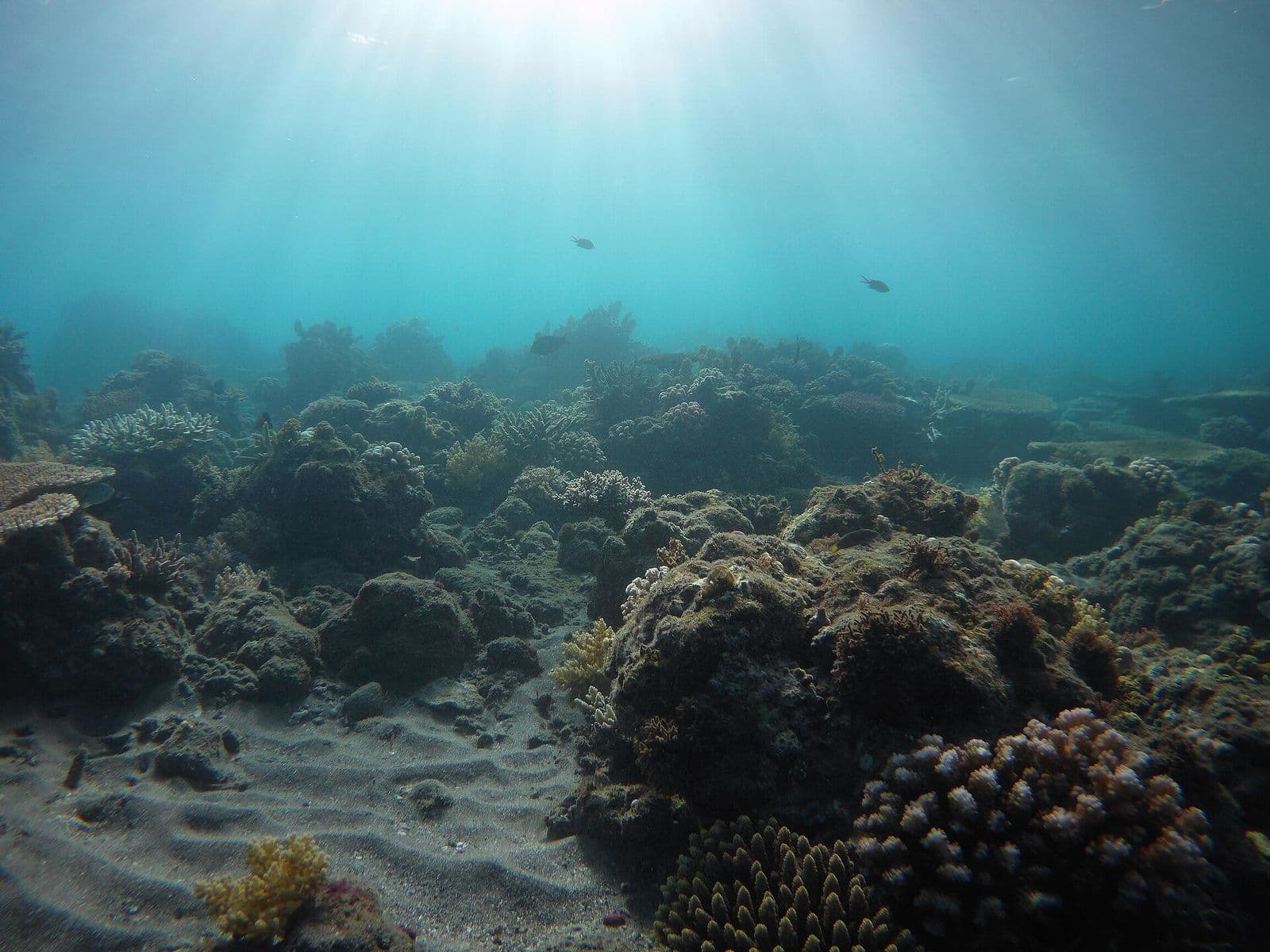
Photo: Hydrochic, CC BY-SA 4.0 via Wikimedia Commons
Best Time to Go
November to May gives you the best chance of a smooth crossing and clear water, and it is when most Siquijor trips run. Weather can cancel a trip at any time of year, though, and late-season storms have shut down sea travel in late October and November before. Keep a spare day in your plans.
Apo Island from Siquijor FAQ
How much is an Apo Island tour from Siquijor?
Most operators quote on request, and some need a minimum group before they go. Ask your resort or dive shop for a current price, and check whether it includes lunch, gear and island fees.
How long is the boat from Siquijor to Apo Island?
About an hour each way, depending on the sea.
Can I touch the turtles at Apo Island?
No. Keep your distance and follow your guide.
Can I visit Apo Island without a tour?
Yes, via Dumaguete and Malatapay. It is cheaper but takes longer and relies on schedules lining up.
Where Next
Plan the rest of your trip with things to do in Siquijor and our 3-day itinerary.
Cover photo: Anna Varona, CC BY 4.0 via Wikimedia Commons